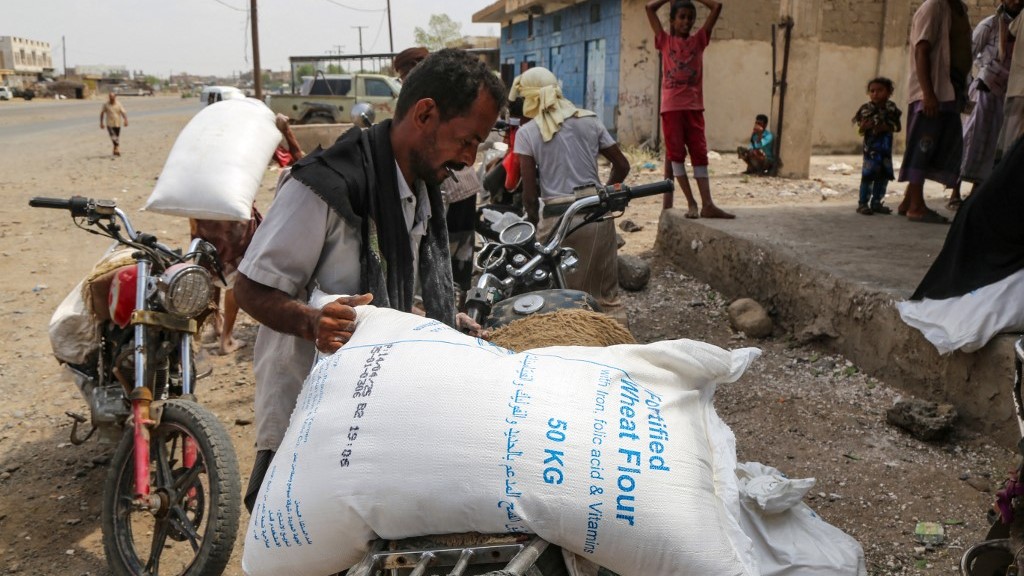
Yemen is rapidly descending toward its most severe food security catastrophe since 2022, with the International Rescue Committee (IRC) warning that pockets of famine affecting over 40,000 people will emerge across multiple districts within the next sixty days. The humanitarian organization issued this grave assessment on Monday, indicating the nation is entering a dangerous new phase of widespread hunger.
Projections indicate that more than half of Yemen’s population—approximately 18 million people—will experience deteriorating food security by early 2026. According to the latest Integrated Food Security Phase Classification (IPC) analysis, an additional one million individuals could be pushed into life-threatening hunger levels.
This escalating crisis stems from a decade of relentless conflict and mass displacement that has systematically dismantled livelihoods and deprived communities of essential health and nutrition services. The situation has been exacerbated by a nationwide economic collapse that has severely diminished household purchasing power, coinciding with dramatic reductions in humanitarian funding.
By the conclusion of 2025, the aid response was funded at less than 25% capacity—the weakest financial support level in ten years—while life-saving nutrition programs received under 10% of required funding. Humanitarian agencies identify these funding cuts as primary accelerants of the collapse, with more than 80% of US foreign aid programs cancelled alongside reductions from other international donors.
The consequences are already visible: clean water systems have ceased operation in cholera-prone regions, healthcare services have shuttered, and millions have lost access to basic medical care. Less than 10% of the $2.5 billion required for Yemen’s 2025 humanitarian response has been secured.
Caroline Sekyewa, IRC’s Country Director in Yemen, expressed grave concern about the alarming pace of deterioration. ‘The people of Yemen still remember when they didn’t know where their next meal would come from. I fear we are returning to this dark chapter again,’ she stated. ‘What distinguishes the current deterioration is its speed and trajectory. Food insecurity in Yemen is no longer a looming risk; it is a daily reality forcing parents into impossible choices.’
Local organizations report dismantling fragile protection networks established over years, particularly for women, through the closure of safe spaces, suspension of psychosocial services, and halted legal aid.
Compounding the humanitarian disaster, political tensions are resurfacing. In early January, Saudi Arabia launched strikes against the UAE-aligned separatist Southern Transitional Council (STC) and targeted an Emirati arms shipment in Mukalla’s port city. Abu Dhabi subsequently withdrew its forces from Yemen, resulting in the collapse of STC control and government troops retaking Aden and surrounding areas. These developments have raised prospects of further escalation as regional powers continue to vie for influence over Yemen’s future.