A fresh transatlantic trade confrontation has erupted following former President Donald Trump’s unexpected ultimatum to eight European nations regarding Greenland. On Saturday, Trump threatened to impose escalating tariffs—starting at 10% on February 1st and potentially rising to 25% by summer—unless these countries support his administration’s initiative to purchase Greenland.
The targeted nations include major EU economies France and Germany, alongside the UK, Denmark, Norway, Sweden, Netherlands, and Finland. European leaders have responded with firm opposition, with the European Commission vowing to protect the bloc’s economic interests through available mechanisms.
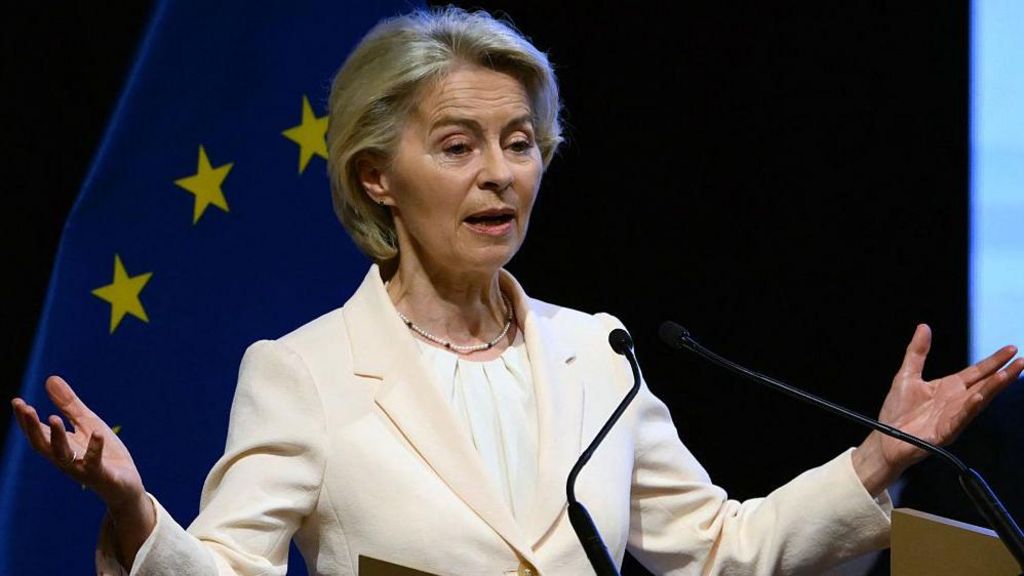
This development jeopardizes the fragile trade détente established less than six months ago when European Commission President Ursula von der Leyen negotiated a reduction of threatened US tariffs from 30% to 15% on EU exports. That agreement, which was scheduled for European Parliament ratification next week, now faces suspension according to influential German MEP Manfred Weber.
Without formal approval or extension of the current suspension, previously prepared EU counter-tariffs totaling €93 billion on American goods—ranging from livestock to aircraft parts and whiskey—will automatically activate on February 7th. This would create significant political pressure on Trump from US exporters facing European market restrictions.
The EU’s most powerful trade weapon, the Anti-Coercion Instrument (ACI), represents a potential nuclear option. This mechanism allows the bloc to impose comprehensive trade and financial restrictions while bypassing international treaties, effectively blocking access to the single market. However, deploying the ACI involves a lengthy process—potentially exceeding one year—and risks substantial economic collateral damage to EU members themselves.
Meanwhile, UK Prime Minister Keir Starmer has adopted a conciliatory stance, explicitly rejecting immediate retaliatory measures and emphasizing that “a tariff war is in nobody’s interests.” Alternative options under consideration include expanding the Digital Services Tax, which could impact major US tech corporations like Amazon and Meta.
The legal foundation of Trump’s tariff strategy remains uncertain, with the US Supreme Court poised to rule on whether the former president overstepped his authority by implementing taxes through the International Emergency Economic Powers Act.