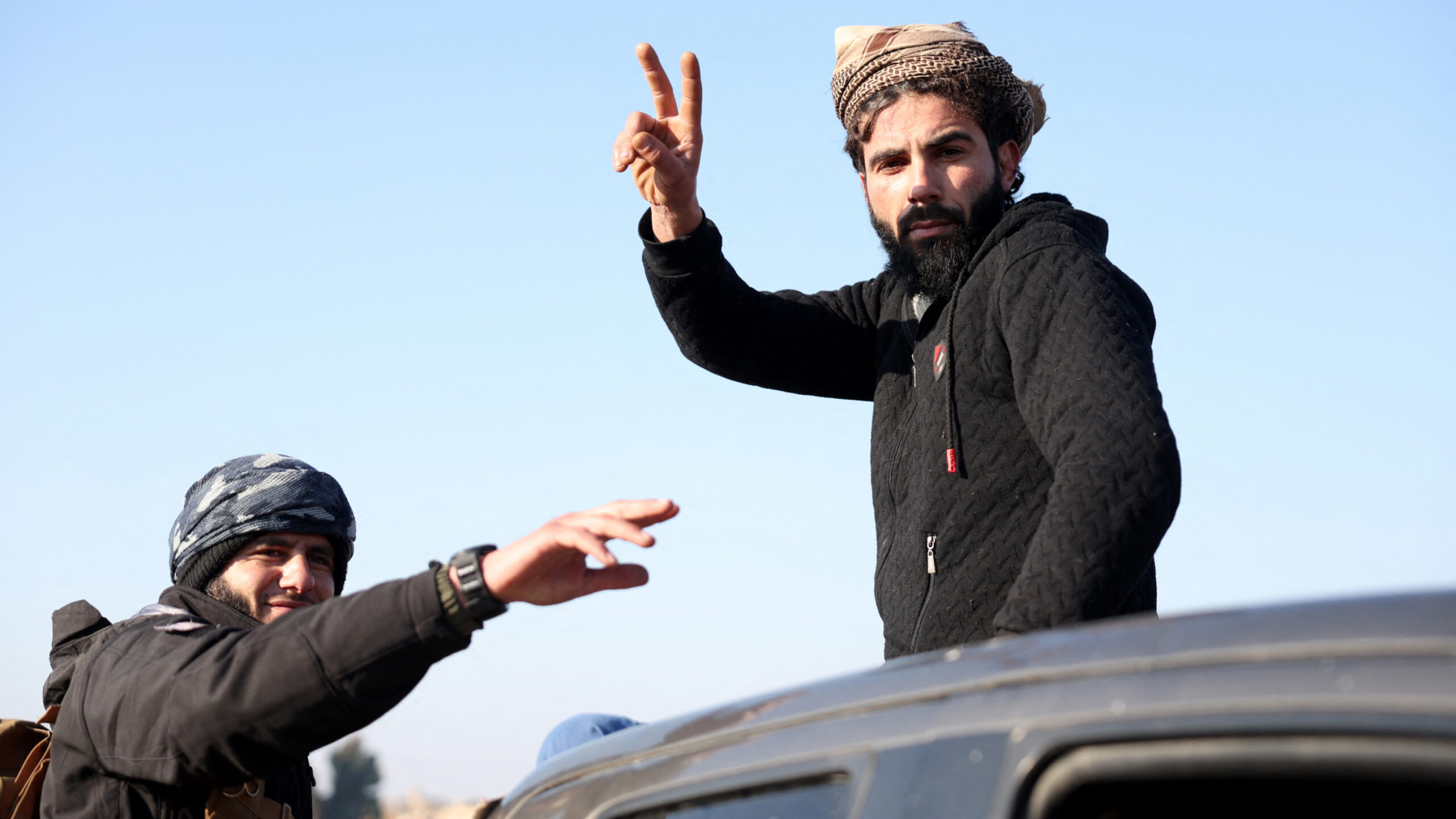
In a significant strategic shift, Syrian government forces commenced deployment across eastern Deir Ezzor province on Monday following the withdrawal of Kurdish-led Syrian Democratic Forces (SDF). This military movement implements a ceasefire agreement announced by Syrian President Ahmed al-Sharaa, effectively ending several days of intense clashes that saw government troops and allied tribal factions capture substantial territories in northeast Syria.
The breakthrough follows weekend advances that compelled the SDF to accept a comprehensive 14-point accord, bringing Kurdish civilian and military institutions under Damascus’s central authority. The agreement mandates immediate transfer of administrative and military control over Deir Ezzor and Raqqa provinces to the Syrian government—a notable concession previously rejected by Kurdish authorities. Additional provisions include integration of Hasakah’s civilian institutions into state bodies, removal of heavy weaponry from Ain al-Arab (Kobani), and government assumption of control over border crossings and hydrocarbon resources.
Despite the ceasefire, tensions persist as the Syrian army reported three soldiers killed in attacks attributed to Kurdish forces, with additional casualties occurring in separate incidents. The army statement accused “terrorist groups” of attempting to disrupt the agreement’s implementation, while the SDF conversely claimed government forces launched attacks against their fighters across northern regions.
Concurrently, violent clashes erupted near a Raqqa prison housing Islamic State detainees, highlighting the fragile security situation. The interior ministry confirmed organized deployment operations across eastern Deir Ezzor towns and villages, while the army secured strategic infrastructure including the Tishrin Dam and areas across northern Raqqa and western Hasakah.
Regional reactions emerged swiftly, with Turkey and Saudi Arabia welcoming the agreement for its potential to restore stability and strengthen institutional governance. In Washington, Senator Lindsey Graham offered cautious endorsement while raising concerns about consultation with regional allies including Israel and Turkey’s involvement.
SDF leader Mazloum Abdi characterized the withdrawal from contested provinces as necessary to prevent further bloodshed and avert civil war, acknowledging significant losses while vowing to defend the group’s achievements. Commander Sipan Hamo emphasized the SDF isn’t seeking separation from Syria but requested international guarantees, specifically expressing hope that Israel would extend to Kurds the same protective stance it previously showed toward Syria’s Druze minority.