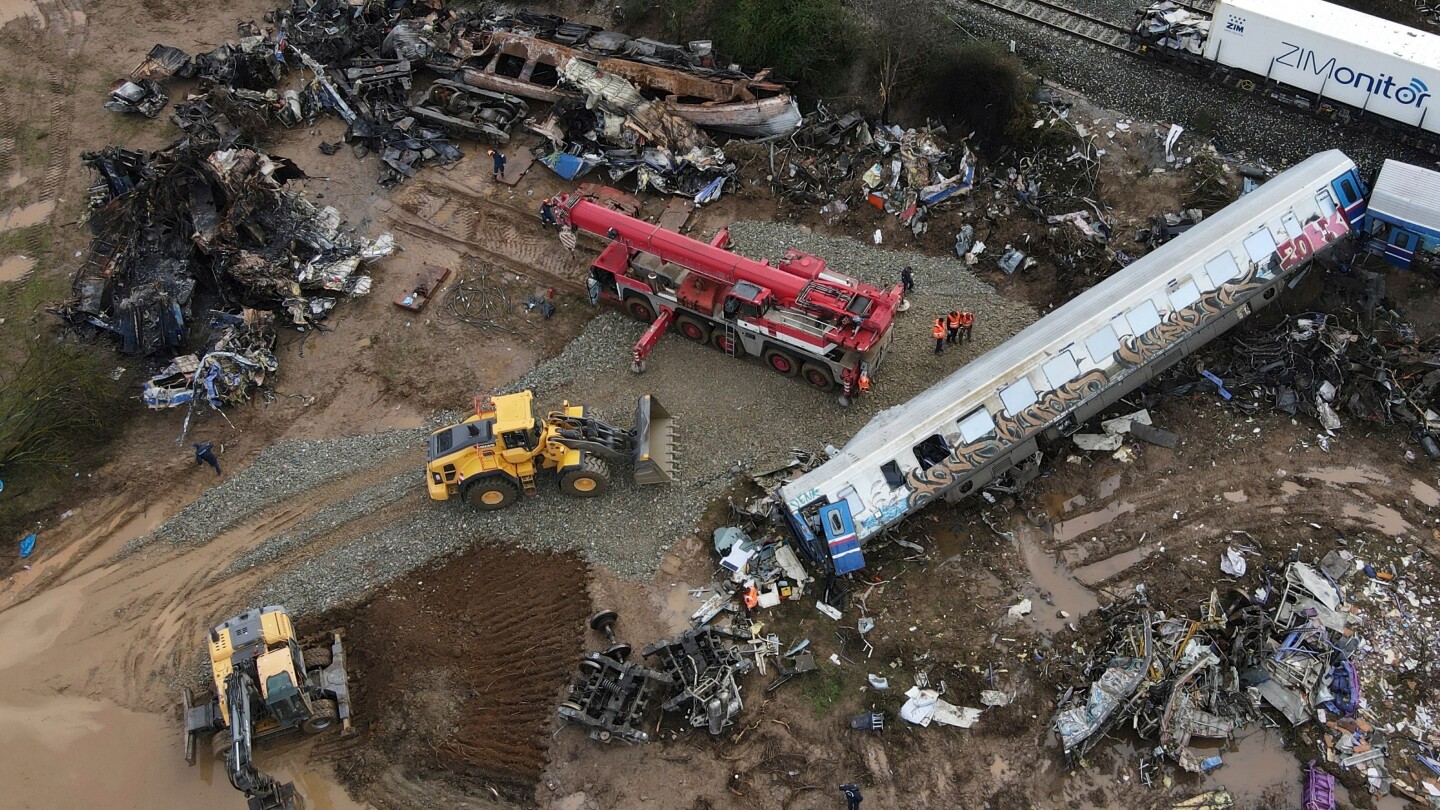
A catastrophic high-speed train derailment in southern Spain has resulted in at least 39 fatalities and over 150 injuries, marking one of Europe’s deadliest rail disasters in recent years. Spanish authorities confirmed the death toll while continuing rescue operations, with concerns that additional victims may be discovered in the wreckage.
This tragedy has reignited critical discussions about rail safety across Europe, where train travel remains a popular, affordable, and generally reliable transportation method for millions of commuters and tourists. While European Union statistics indicate a downward trend in major railway accidents since 2010, the Spanish incident serves as a stark reminder of the potentially devastating consequences when safety systems fail.
The accident has prompted rail safety experts to examine historical precedents across the continent. Europe has witnessed several significant rail disasters in the past decades, including:
– The 2013 Santiago de Compostela derailment in Spain (80 fatalities) caused by excessive speed
– The 2023 Greek train collision (57 deaths) attributed to human error and outdated infrastructure
– Germany’s 1998 Eschede disaster (101 fatalities), the country’s deadliest postwar rail accident
– The 2006 Valencia subway crash (43 deaths) resulting from safety negligence
– Belgium’s 2010 rush hour collision (19 fatalities) caused by a signal violation
These incidents, along with others in Italy, Portugal, and Montenegro, demonstrate recurring themes of human error, infrastructure deficiencies, maintenance failures, and systemic safety shortcomings. The Spanish investigation will likely examine similar factors while the European Transport Safety Council has already called for an urgent review of safety protocols across EU rail networks.