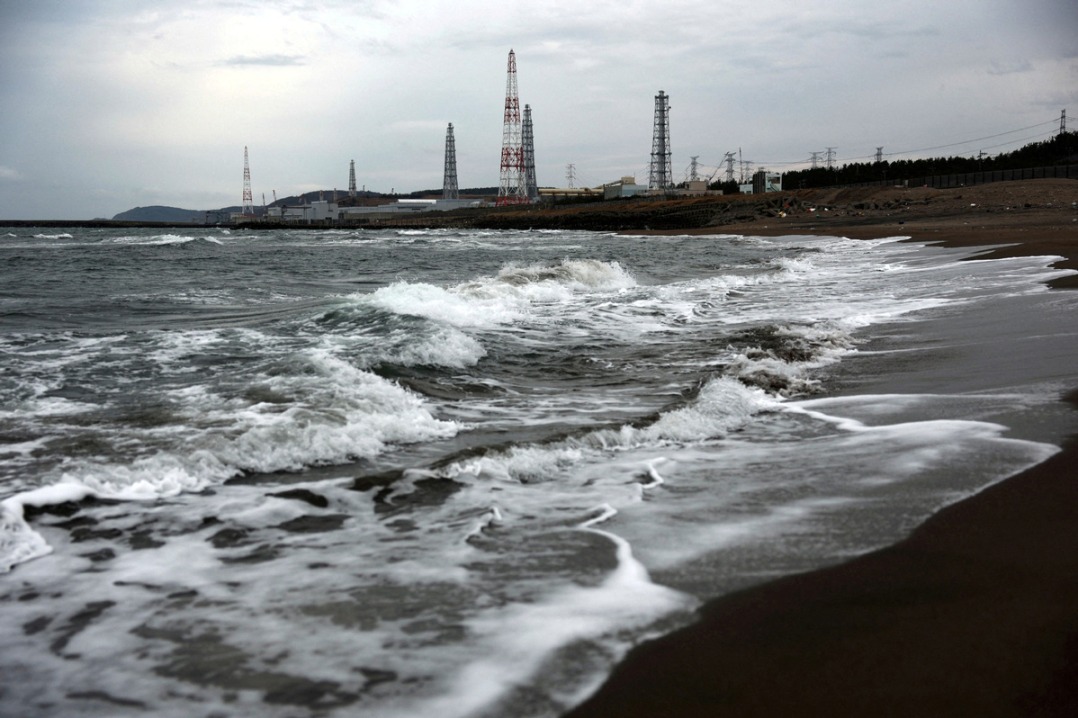
Tokyo Electric Power Company Holdings (TEPCO) has indefinitely delayed the planned restart of its Kashiwazaki-Kariwa nuclear facility’s No. 6 reactor after a critical safety system malfunction during preliminary testing. The decision came after alarm systems for control rods—essential components for regulating nuclear fission reactions—failed to activate during operational checks conducted on Saturday.
The reactor, part of a seven-unit complex located approximately 220 kilometers northwest of Tokyo, was originally scheduled to resume operations on Tuesday. This marks another setback for Japan’s nuclear energy sector, which has faced intense scrutiny since the 2011 Fukushima Daiichi disaster. The Kashiwazaki-Kariwa plant was among 54 reactors idled following the catastrophic meltdowns at TEPCO’s tsunami-damaged facility.
The postponement occurs despite December’s controversial approval by the Niigata Prefectural Assembly for partial reactivation of the plant. The facility’s restart has drawn significant public concern and criticism from nuclear safety advocates who question the adequacy of post-Fukushima safety enhancements. TEPCO officials stated they are conducting comprehensive investigations to determine the root cause of the control rod alarm failure and cannot provide a revised timeline for operations until complete system verification is achieved.