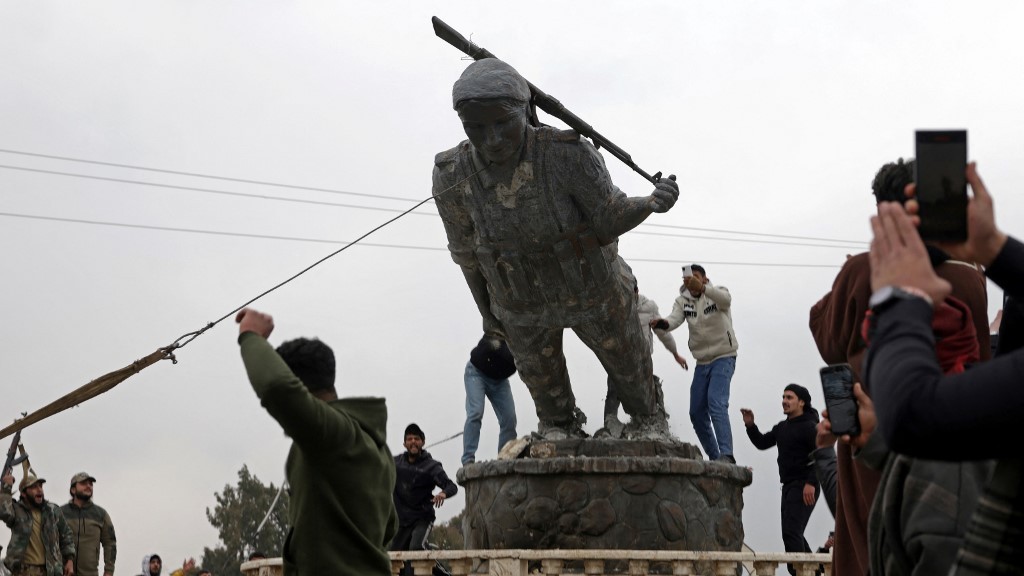
In a significant geopolitical shift, the Syrian government has achieved a decisive military and political victory over the Kurdish-led Syrian Democratic Forces (SDF) through a comprehensive ceasefire agreement signed on Sunday. The accord follows weeks of intense fighting that saw government forces capture strategic territories and critical economic assets previously under SDF control.
The 14-point agreement, formally released by Syria’s information ministry, represents a substantial reversal of fortunes for the SDF. Government forces made rapid advances in the preceding days, capturing the country’s largest oil field and numerous Arab-majority districts where SDF control had shown signs of fragility. These battlefield successes fundamentally altered the negotiation dynamics, stripping the SDF of both economic leverage and territorial advantages before talks commenced.
Under the terms of the agreement, the SDF will execute a complete military and administrative handover of Raqqa and Deir Ezzor regions, retaining only limited presence in northeastern Hasakah. The accord mandates that SDF fighters integrate into Syrian state forces as individuals rather than organized units, while all border crossings and energy resources return to Damascus control.
The agreement specifically addresses international security concerns by transferring full responsibility for ISIS detainees to the Syrian government. Additionally, foreign elements linked to the Kurdistan Workers’ Party (PKK) must depart Syria, with remaining fighters undergoing security vetting before integration into state forces.
Analysts note the striking resemblance between this agreement and terms offered to the SDF a year ago. Fadil Hanci, Syria analyst, observed that ‘Damascus has the upper hand now and wants to transform the military success into a political gain. The agreement is meant to achieve that.’ The document reflects Damascus’s interpretation of previous frameworks while leaving minimal room for SDF reinterpretation.
The political implications extend to leadership changes, with SDF leader Mazlum Abdi reportedly assuming the governorship of Hasakah province—a position subordinate to Syria’s foreign minister rather than the senior national role some had anticipated.
This strategic realignment also reveals deeper vulnerabilities in SDF support structures. Arab tribes in previously SDF-controlled areas, dissatisfied with Kurdish dominance and limited economic development, largely supported the government’s advance. From Turkey’s perspective, the agreement represents a significant security achievement, rolling back what Ankara had long perceived as a threat to its national security.