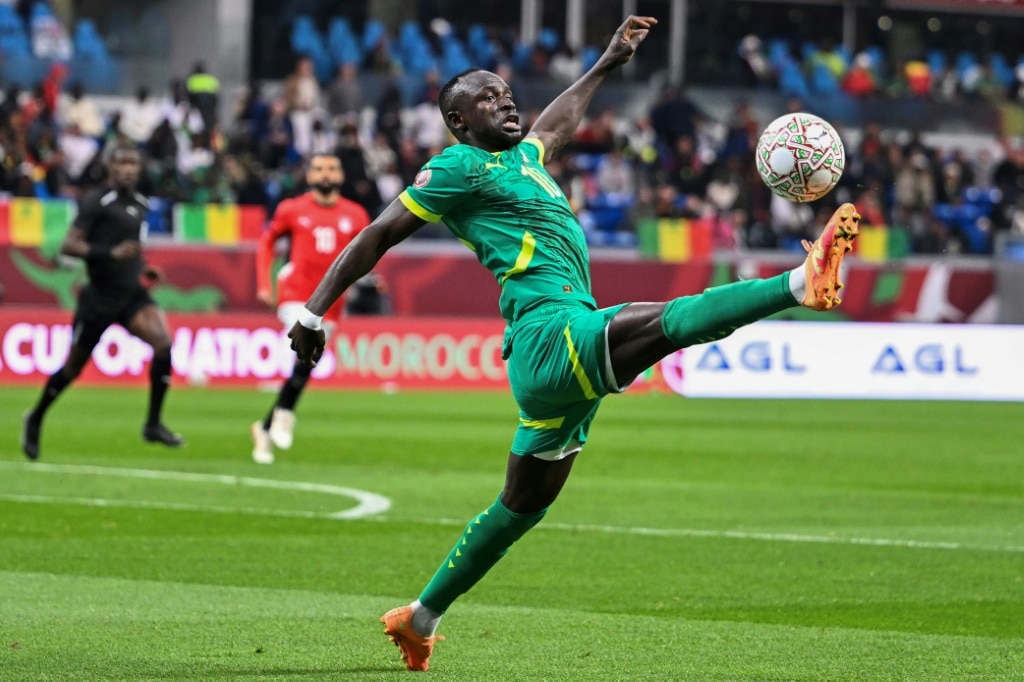
The African football spectacle reaches its zenith as host nation Morocco prepares to battle Senegal in the Africa Cup of Nations final this Sunday. The Prince Moulay Abdellah Stadium in Rabat will witness an electrifying confrontation between two continental powerhouses, with nearly 69,000 spectators expected to create a formidable home advantage for the Atlas Lions.
Morocco, captained by African Player of the Year Achraf Hakimi, seeks to end a 48-year title drought that has persisted since their sole championship victory in 1976. Under the strategic guidance of coach Walid Regragui, the team has transformed into Africa’s football powerhouse, achieving unprecedented success by becoming the continent’s first World Cup semi-finalist in 2022 and climbing to 11th in global rankings.
Senegal enters the final as reigning champions, having secured their maiden title in 2022 through Sadio Mané’s decisive penalty against Egypt. The Lions of Teranga are competing in their third final within four tournaments, demonstrating remarkable consistency in African football. However, their preparation has been marred by logistical concerns, with team officials complaining about inadequate security during their arrival in Rabat and limited ticket allocation for supporters.
Strategic elements will prove crucial in determining the outcome. Morocco’s campaign has been built upon defensive solidity, conceding merely one goal throughout the tournament, complemented by the offensive prowess of Real Madrid winger Brahim Díaz, the competition’s leading scorer with five goals. Senegal must overcome the suspension of captain Kalidou Koulibaly while managing the emotional narrative surrounding Mané’s potential final AFC appearance.
The tournament organization has showcased Morocco’s capabilities as a future World Cup host, with state-of-the-art infrastructure, high-speed rail connections, and impeccable pitch conditions setting new standards for African football events. This final not only represents the culmination of Africa’s premier football competition but also serves as a demonstration of Morocco’s readiness to co-host the 2030 World Cup alongside Spain and Portugal.