A significant shift in southern Yemen’s political landscape has created a fragile sense of optimism among displaced northern families following the collapse of separatist control in Aden. The withdrawal of Southern Transitional Council (STC) forces has alleviated years of systematic pressure on northern migrants who faced detention, movement restrictions, and widespread suspicion under the separatist administration.
The STC, which advocates for southern Yemen’s independence, had consistently viewed northern residents as obstacles to their political objectives. Their forces regularly conducted eviction campaigns, transporting accused individuals toward Taiz under allegations of espionage for either the internationally recognized government or the Houthi movement. Although many detainees were eventually released, the constant threat of arbitrary detention created an atmosphere of pervasive insecurity.
December 2025 marked a critical escalation when separatist fighters blockaded Aden against northern entrants following clashes with government forces in eastern governorates. This prompted Saudi-backed air strikes against advancing STC units and a forceful warning from Presidential Leadership Council chief Rashad al-Alimi against movement restrictions. The subsequent collapse of STC authority enabled government troops to reclaim control of Aden and surrounding territories, with reports indicating STC leader Aidarous al-Zubaidi had fled Yemen and the separatist group had dissolved.
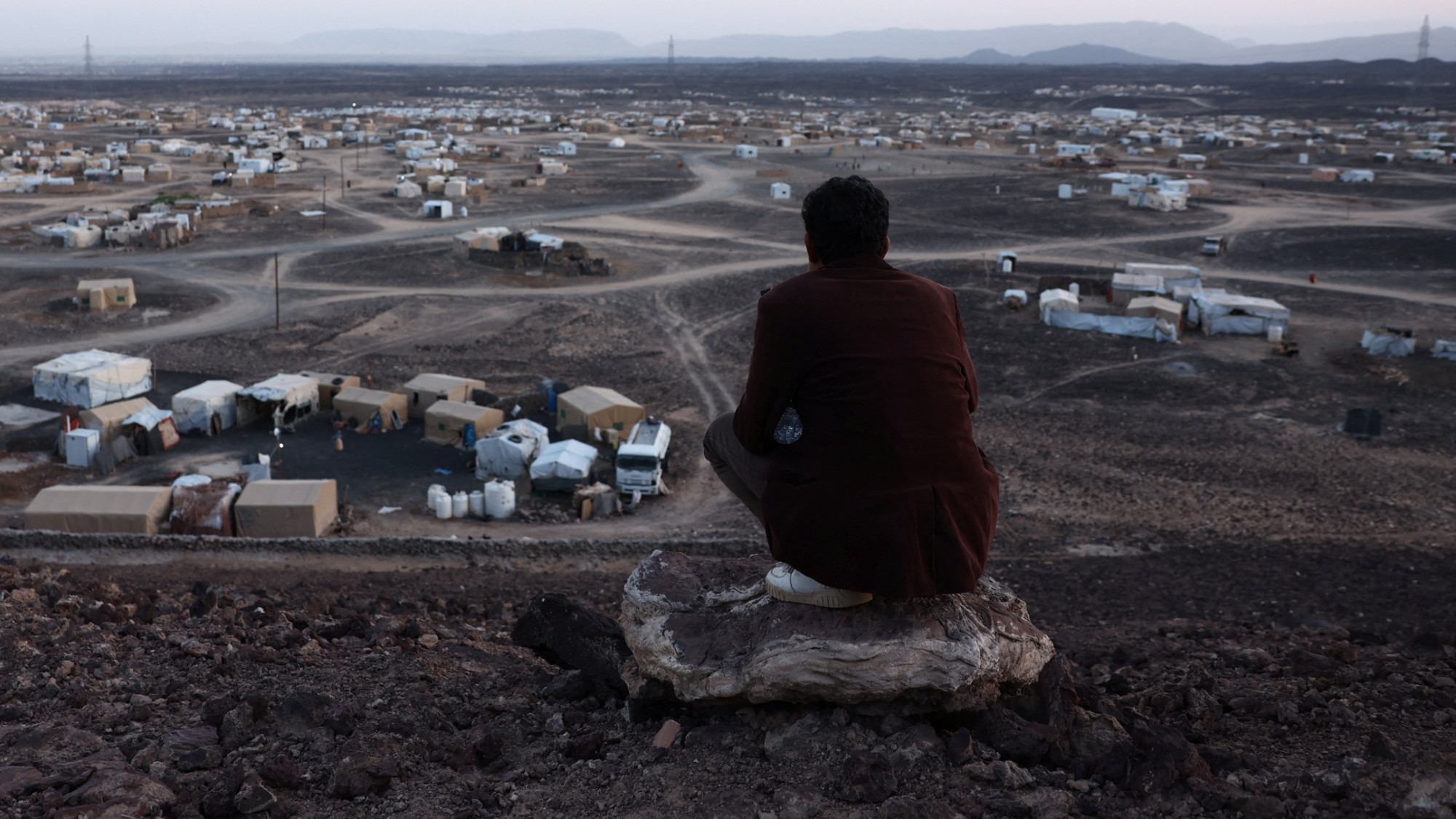
For Yemen’s estimated 4.8 million displaced persons, these developments represent potential improvement in their precarious existence. Many live in makeshift shelters with minimal protection from harsh weather and limited access to basic services, according to UN and International Organization for Migration reports.
Gaber, a 47-year-old farmer who fled Hodeidah six years ago, described his experience in a Lahj governorate camp: ‘Whenever there was an escalation against the STC, they came to the camp and arrested us. We live a hard life in this desert, but we have no choice. If we go home, there is no work.’ His account reflects the cyclical detention patterns that affected northern migrants during political tensions.
Elderly camp resident Zainab revealed additional challenges: ‘They call us ‘invaders’ rather than displaced families fleeing war. They arrest our men, and if anyone tries to negotiate, they beat them.’ She noted that many families couldn’t obtain identification cards increasingly reserved for southerners, and men were frequently forced to sign pledges to leave the region.
The complex social dynamics include lingering distrust among southern residents. STC supporter Saif al-Yafei expressed caution: ‘Many street vendors and labourers turned out to be Houthi fighters in 2015. How can I trust northerners during an escalation?’ While acknowledging northerners’ right to reside anywhere, he emphasized wartime precautions.
Despite these challenges, displaced northerners now express cautious optimism about collaborating with local communities to rebuild the south, recognizing that returning north remains unlikely in the immediate future. As government forces theoretically fight for a unified Yemen, the most vulnerable populations prioritize daily survival over political outcomes, seeking merely to work and return home safely each day.