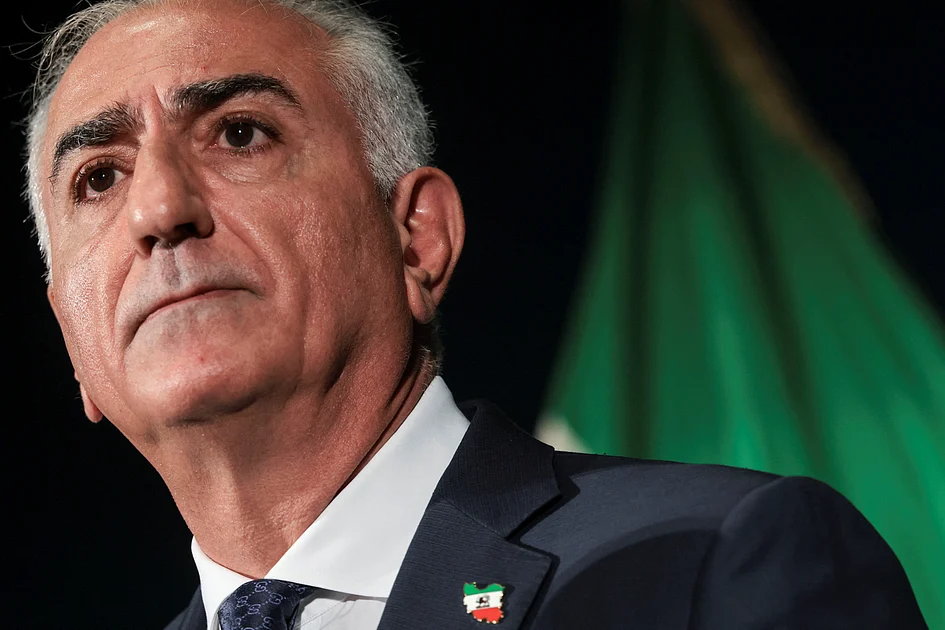
In a significant development within Iran’s political crisis, Reza Pahlavi—the exiled son of Iran’s last Shah—has publicly declared his conviction that the current Islamic republic will inevitably collapse. During a Friday press conference in Washington, Pahlavi positioned himself as an opposition leader while urgently calling for international action to support protesters.
The political tension escalates as former U.S. President Donald Trump maintains a contradictory stance. Despite previously threatening military intervention if Iranian security forces harmed demonstrators, and explicitly promising that ‘help is on the way,’ Trump has taken no tangible action. This hesitation persists amid alarming casualty reports from human rights organizations. Norway-based Iran Human Rights documents at least 3,428 protester deaths, with some estimates reaching between 5,000 and 20,000 fatalities.
Pahlavi specifically appealed to Trump to avoid following the diplomatic approach of former President Barack Obama, emphasizing his belief that Trump would ultimately honor his commitments to the Iranian people. Meanwhile, Trump utilized his Truth Social platform to claim that Iran had ceased executing protesters, posting a message of gratitude to the clerical leadership.
The opposition leader outlined concrete measures for international powers, including surgical strikes targeting the command structure of Iran’s Revolutionary Guards, expulsion of Iranian diplomats from foreign nations, and restoration of internet access which authorities have severely restricted.
Addressing his vision for Iran’s future, Pahlavi advocated for a secular democracy determined through a national referendum, distancing himself from his father’s controversial legacy while promising improved relations with the United States and Israel. He proposed a ‘Cyrus Accord’ to normalize ties with Israel, invoking the ancient Persian emperor who liberated Jews from captivity.
Despite gathering support from protesters chanting his name, Pahlavi faces skepticism from critics who suspect monarchical restoration ambitions and prefer opposition leadership emerging from within Iran itself.