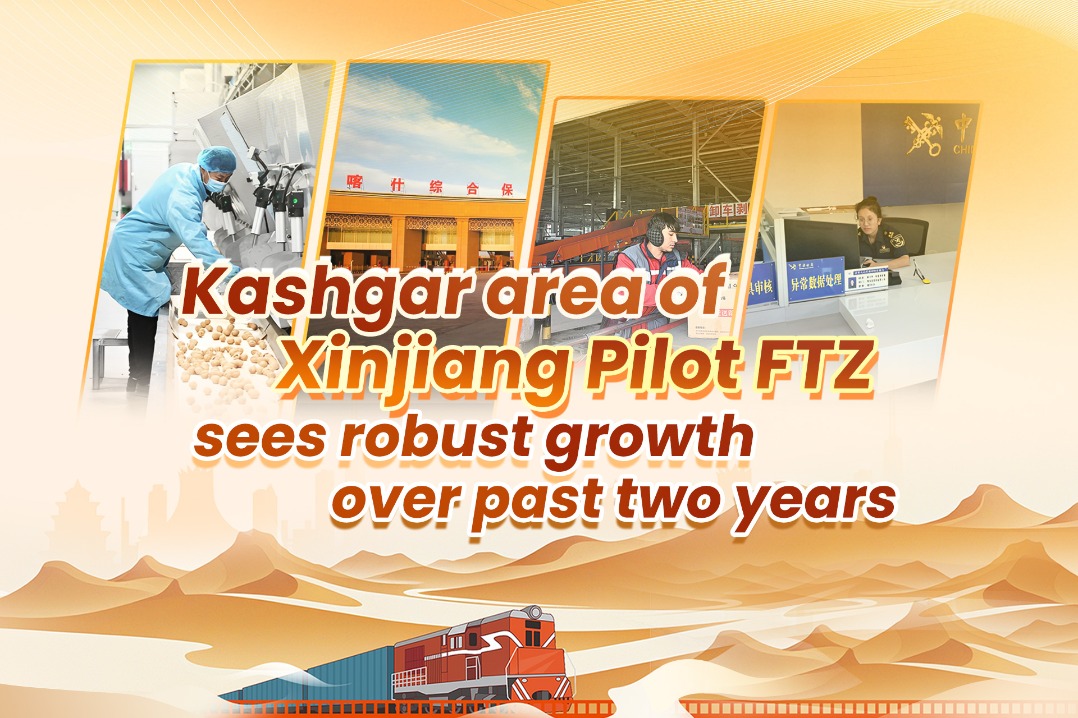
The Kashgar area within China’s Xinjiang Pilot Free Trade Zone has demonstrated remarkable economic expansion since its establishment in November 2023, establishing itself as a thriving hub for regional commerce and cross-border trade. Over the past two years, this strategic northwestern region has achieved unprecedented growth metrics through comprehensive institutional reforms and business climate optimization.
Positioned as China’s gateway to Central and Western Asia, the Kashgar FTZ has leveraged its geographical advantages to create a dynamic ecosystem for international trade and investment. The zone’s success stems from pioneering administrative simplifications, streamlined customs procedures, and innovative financial services specifically designed to facilitate cross-border commerce.
Key performance indicators reveal substantial progress across multiple sectors. Trade volumes have increased exponentially, with particular strength in agricultural exports, textile manufacturing, and renewable energy technologies. The zone has attracted significant foreign direct investment through competitive tax incentives and specialized industrial parks catering to various sectors including logistics, e-commerce, and high-value processing.
Infrastructure development has kept pace with economic expansion, with enhanced transportation networks connecting Kashgar to major international markets through road, rail, and air corridors. Digital transformation initiatives have implemented smart customs systems and blockchain-based documentation processes, significantly reducing administrative processing times.
The zone’s unique positioning has enabled it to serve as a critical bridge for China’s Belt and Road Initiative, facilitating economic cooperation with neighboring countries including Pakistan, Afghanistan, and Central Asian republics. Specialized cross-border e-commerce platforms have emerged as particularly successful, handling growing volumes of international transactions.
Looking forward, Kashgar FTZ authorities plan to expand into new areas including digital trade, green energy partnerships, and specialized financial services. The continued development of this economic zone represents a significant component of China’s broader strategy to stimulate economic development in its western regions while strengthening international trade connections across Eurasia.