Iran’s most significant protest movement in years has been forcibly subdued following a severe government crackdown characterized by internet blackouts and lethal force, according to international monitors. The demonstrations, which originated from economic discontent in late December, rapidly evolved into a widespread challenge against the nation’s theocratic establishment.
The Institute for the Study of War confirmed that the regime’s ‘brutal’ repression tactics have temporarily quelled public dissent. However, analysts note that the extensive mobilization of security forces represents an unsustainable strategy that may lead to renewed protests in the future.
Human rights organizations report alarming casualty figures, with Iran Human Rights documenting 3,428 verified deaths while acknowledging the actual toll could reach 20,000 due to verification challenges during the internet shutdown that has exceeded 180 hours. Opposition channels outside Iran have cited even higher estimates from government sources.
Reza Pahlavi, son of Iran’s late Shah, declared during a Washington press conference that the Islamic Republic’s fall is inevitable, stating: ‘I will return to Iran.’ Meanwhile, international responses have varied, with the U.S. implementing new sanctions targeting Iranian officials while apparently stepping back from immediate military action following diplomatic efforts by Middle Eastern nations.
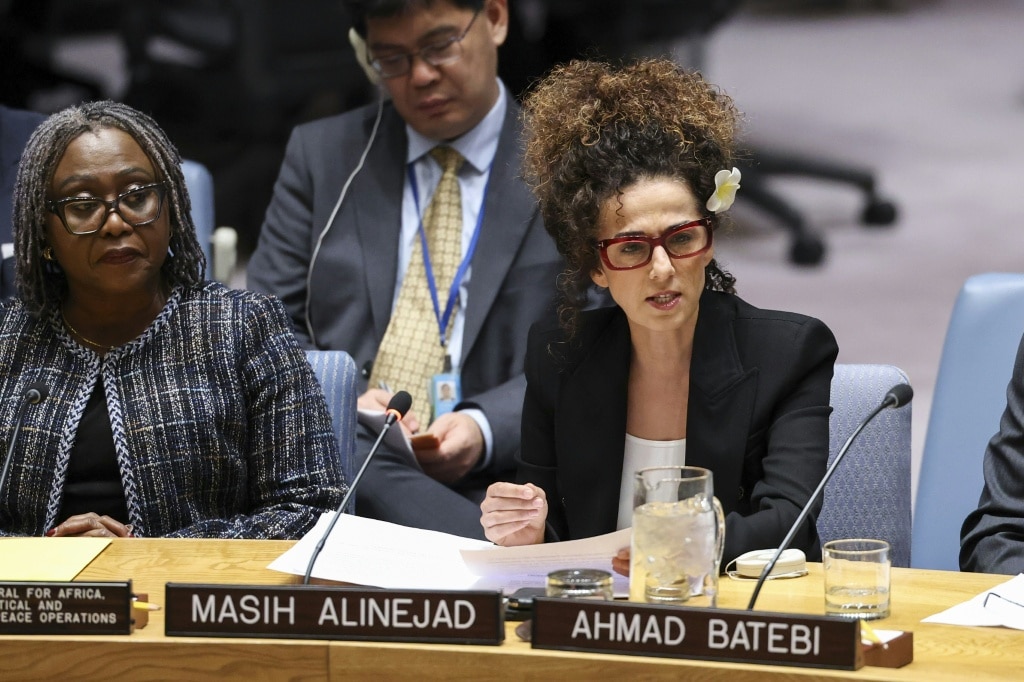
The United Nations Security Council addressed the situation, where Iranian-American journalist Masih Alinejad testified about nationwide unity against the clerical system, while Iranian representatives accused Washington of exploiting protests for geopolitical purposes. Russian President Vladimir Putin engaged in telephone diplomacy with Iranian leadership, seeking de-escalation measures amid the ongoing crisis.