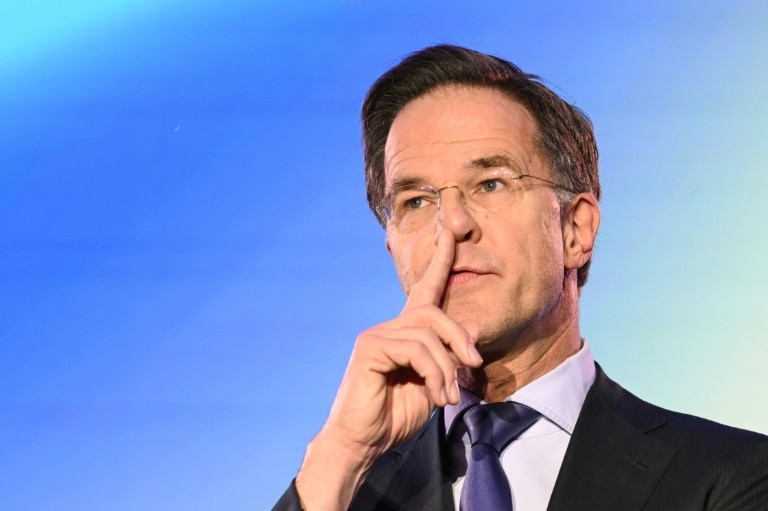
NATO Secretary General Mark Rutte is employing strategic silence and tactical redirection as he confronts one of the most delicate challenges of his tenure: managing fallout from U.S. President Donald Trump’s controversial interest in acquiring Greenland from Denmark. The territorial claims have created unprecedented tension within the 76-year-old military alliance, testing Rutte’s diplomatic acumen and threatening to destabilize NATO’s foundational unity.
The former Dutch prime minister has adopted a carefully calibrated approach of minimal public commentary while intensifying behind-the-scenes diplomacy. Rather than directly addressing the Greenland controversy, Rutte has persistently redirected focus toward enhancing Arctic security cooperation among member states. This strategy has included deflecting pointed questions from European Parliament members and maintaining public praise for Trump’s contributions to NATO defense spending increases.
During a recent tense exchange with Danish legislator Stine Bosse, who demanded intervention in the bilateral dispute, Rutte maintained his disciplined neutrality: ‘My role as secretary general is very clear—I never ever comment when there are discussions within the alliance. You work behind the scenes.’ He instead emphasized what he considers the paramount issue: ‘The defense of the high north, the defense of the Arctic area.’
Diplomatic analysts recognize Rutte’s position as particularly complex given his reputation as one of few European leaders who maintains functional access to the unpredictable American president. His successful brokering of NATO spending agreements earlier this year earned him credibility as a ‘Trump-whisperer,’ capital now being tested in this crisis.
Jamie Shea, former NATO senior official now with Chatham House, explained the delicate balance: ‘It’s difficult for Rutte to take the lead here as he has to keep the alliance together and keep the Americans onboard. He can’t take the European side against Washington.’
The Greenland controversy emerges during a particularly fragile period for transatlantic relations, with Europe simultaneously managing Trump’s evolving approach to Russia’s war in Ukraine and preparing for a potentially volatile NATO summit in Turkey. Some alliance diplomats suggest Rutte may need to expend previously reserved political capital to prevent the Greenland situation from escalating further.
While Rutte currently maintains that intra-alliance disputes fall outside his direct purview, former NATO official Camille Grand notes the secretary general’s calculated risk: ‘At the moment, he says he is not getting involved in disputes between member states. That may work for now, but at some point he risks being caught up in it.’ Despite these pressures, Rutte projects unwavering confidence in his role and NATO’s resilience, recently stating he remains ‘thoroughly enjoying the role and the job’ when questioned about the alliance’s future.