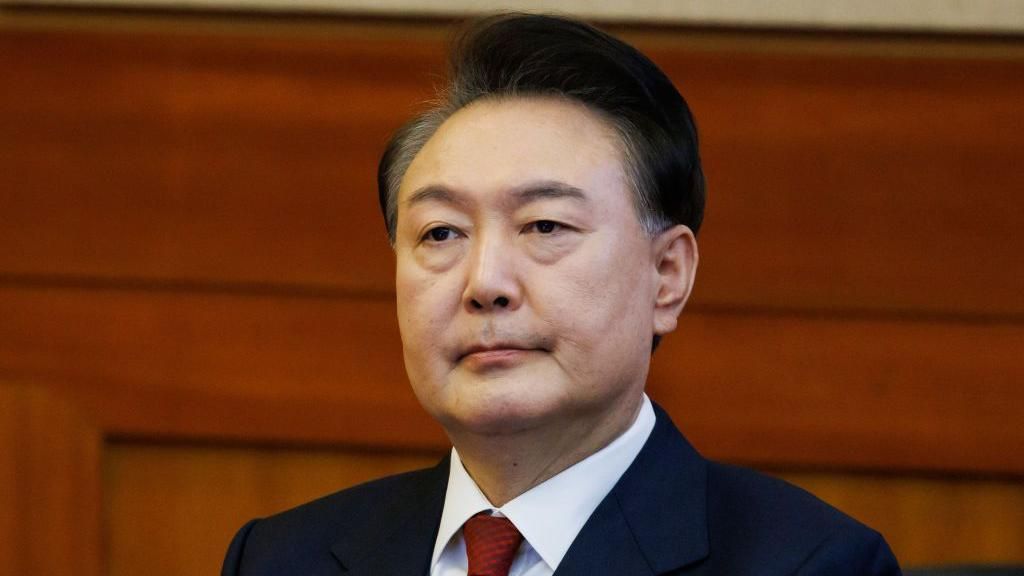
South Korea’s former President Yoon Suk Yeol awaits a landmark judicial ruling on Friday regarding his controversial 2024 martial law declaration that plunged the nation into political crisis. The embattled ex-leader faces eight distinct charges including insurrection, abuse of power, and campaign law violations in what legal experts describe as one of the most consequential trials in modern Korean history.
Prosecutors have presented a case alleging Yoon systematically attempted to subvert constitutional order by declaring martial law without legitimate justification. Central to the allegations is his mobilization of military and police forces to blockade the National Assembly compound, preventing lawmakers from challenging his decree, and his authorization of arrests targeting political opponents including the Assembly speaker and party leaders.
While Yoon initially justified his actions as necessary to counter pro-North Korean elements, evidence suggests the move was primarily motivated by mounting political vulnerabilities. The prosecution has sought capital punishment, characterizing Yoon as remorseless and noting the severity of his actions exceeded even the 1979 military coup led by former dictators Chun Doo-hwan and Roh Tae-woo.
Legal analysts anticipate a life imprisonment sentence rather than execution, considering both the political implications of martyrdom and South Korea’s 27-year moratorium on capital punishments. Additional charges include obstruction of justice for evading arrest with unprecedented security barricades, abuse of power for bypassing cabinet procedures, and document falsification.
A separate trial examines allegations that Yoon attempted to provoke military conflict with North Korea through unauthorized drone incursions, potentially to justify his martial law declaration. Former intelligence chief Yeo In-hyung and ex-defense minister Kim Yong-hyun face related indictments.
Despite the gravity of charges, some experts predict eventual presidential pardon based on Korea’s political traditions, though any sentence would serve as symbolic condemnation of constitutional violations. The proceedings have exposed deep societal divisions, with both supporters and opponents regularly demonstrating outside courtrooms.