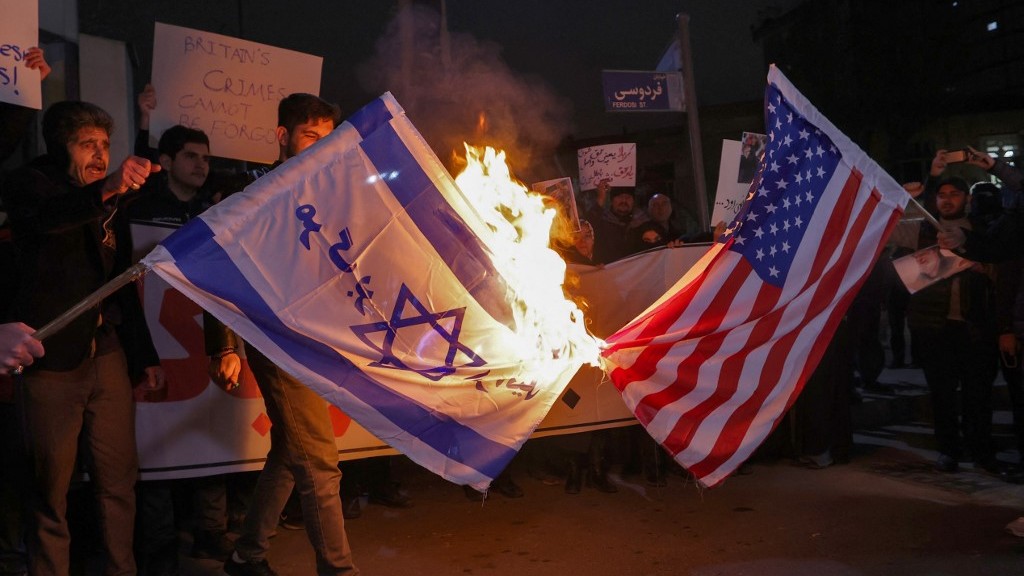
A coalition of Gulf nations successfully persuaded U.S. President Donald Trump to abandon a planned military strike against Iran, according to senior Saudi diplomatic sources. The diplomatic intervention, led by Saudi Arabia, Qatar, and Oman, culminated in intense last-minute negotiations that ultimately changed the administration’s course of action.
The breakthrough followed days of escalating tensions and mounting expectations of American military retaliation against Iran’s suppression of nationwide protests. President Trump confirmed from the Oval Office that he had received assurances from highly placed sources within Tehran that planned executions of demonstrators would not proceed.
In statements indicating a deliberate de-escalation of hostilities, Trump emphasized that the United States would adopt a watchful stance. “They’ve stated the killings have ceased and executions will not occur. We intend to verify these developments,” the president remarked, adding that military options remained under consideration pending Iran’s compliance.
Subsequent to these diplomatic exchanges, Iranian Foreign Minister Abbas Araghchi denied existence of execution plans for protesters. Iranian state media corroborated this position by reporting that Erfan Soltani, a 26-year-old detainee from Karaj protests, would not face capital punishment.
The reduced tensions prompted tactical reassessments at strategic regional installations. Personnel previously relocated from Qatar’s Al-Udeid Airbase began returning to their positions as threat levels diminished, according to diplomatic sources familiar with the situation.
Human rights organizations monitoring the unrest provided staggering casualty estimates, with figures ranging from 2,600 to 3,428 fatalities resulting from protest-related violence and government crackdowns. The Gulf-mediated diplomatic resolution potentially prevented further escalation in a region already experiencing significant instability.