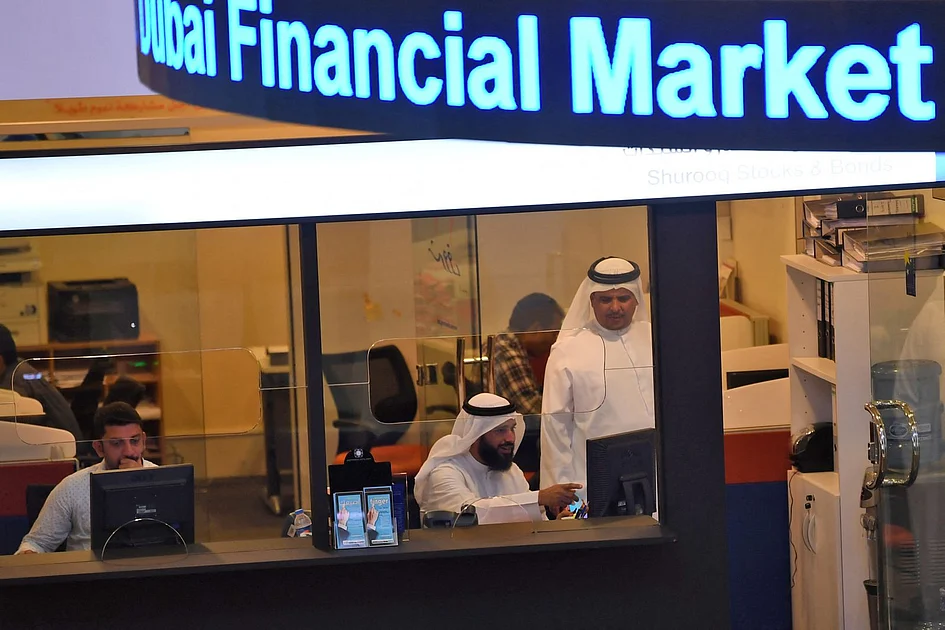
The United Arab Emirates is positioned to catalyze a significant rebound in Gulf Cooperation Council initial public offerings throughout 2026, according to comprehensive analysis from Kamco Invest. This anticipated revival follows a notably subdued performance across regional markets during 2025, when GCC IPO activity dwindled to its lowest level in four years.
The previous year witnessed merely 42 public listings throughout the GCC region, generating aggregate proceeds of $5.8 billion. This represented the most modest fundraising performance in five years, reflecting a dramatic 55 percent decline compared to 2024 figures. Market specialists attribute this downturn to persistent market volatility, fluctuating oil prices, and heightened geopolitical tensions that collectively fostered caution among both issuers and investors.
Market attention has now decisively shifted toward the UAE’s revitalized IPO pipeline, which distinguishes itself through both substantial scale and exceptional sector diversity. Dubai’s anticipated offerings include prominent entities such as Binghatti Holding, Dubai Investments Park Development, Arabian Construction Company, and retail giant Majid Al Futtaim Holding. Simultaneously, Abu Dhabi’s lineup features heavyweight candidates including Emirates Global Aluminium, renewable energy leader Masdar, and Etihad Airways.
This diversified portfolio spans multiple critical sectors including real estate, construction, energy, aviation, and renewable technologies. This strategic variety provides investors with balanced exposure to both defensive cash flow generators and long-term growth opportunities. Banking analysts note that valuation resets following the weak 2025 performance have established more realistic pricing environments, potentially enhancing execution success rates.
The UAE’s projected leadership role emerges following its own substantial decline, with 2025 IPO proceeds collapsing to $1.1 billion from $4.1 billion the previous year. While Saudi Arabia maintained quantitative dominance with 37 of the region’s 42 IPOs, even its market experienced noticeable softening as the Tadawul All Share Index declined 12.8 percent throughout the year.
Regional market underperformance significantly contributed to the IPO downturn. The MSCI GCC index gained a mere 1.6 percent during 2025, substantially lagging behind global markets that benefited from artificial intelligence-driven rallies. This performance gap diverted international capital toward higher-yielding opportunities in United States and Asian markets, particularly affecting large-scale offerings requiring substantial institutional demand.
Post-listing performance metrics further complicated the landscape, with only 13 GCC IPOs trading above their offer prices by year-end 2025 while 28 remained underwater. Despite these challenges, select niche performers across energy, software, services, and education sectors delivered gains supported by robust fundamental performance.
The global IPO environment presented a contrasting picture, with total proceeds surging to $146.1 billion—a three-year high—driven by blockbuster listings in United States and Chinese markets. This divergence dramatically reduced the GCC’s share of global IPO fundraising, highlighting the region’s disconnection from worldwide capital market trends throughout 2025.
Financial experts anticipate this gap will narrow during 2026, with approximately 73 IPOs currently identified within the GCC pipeline. While Saudi Arabia is expected to lead in transaction volume, the UAE’s large-scale offerings are considered crucial for restoring market depth and momentum. Improving macroeconomic conditions, moderating inflation trends, and sustained investor demand for infrastructure and energy transition assets are expected to provide supportive market conditions.
Market observers conclude that 2026 represents a potential reset opportunity for UAE capital markets, provided issuers maintain sensible pricing strategies and market conditions remain stable throughout the recovery period.