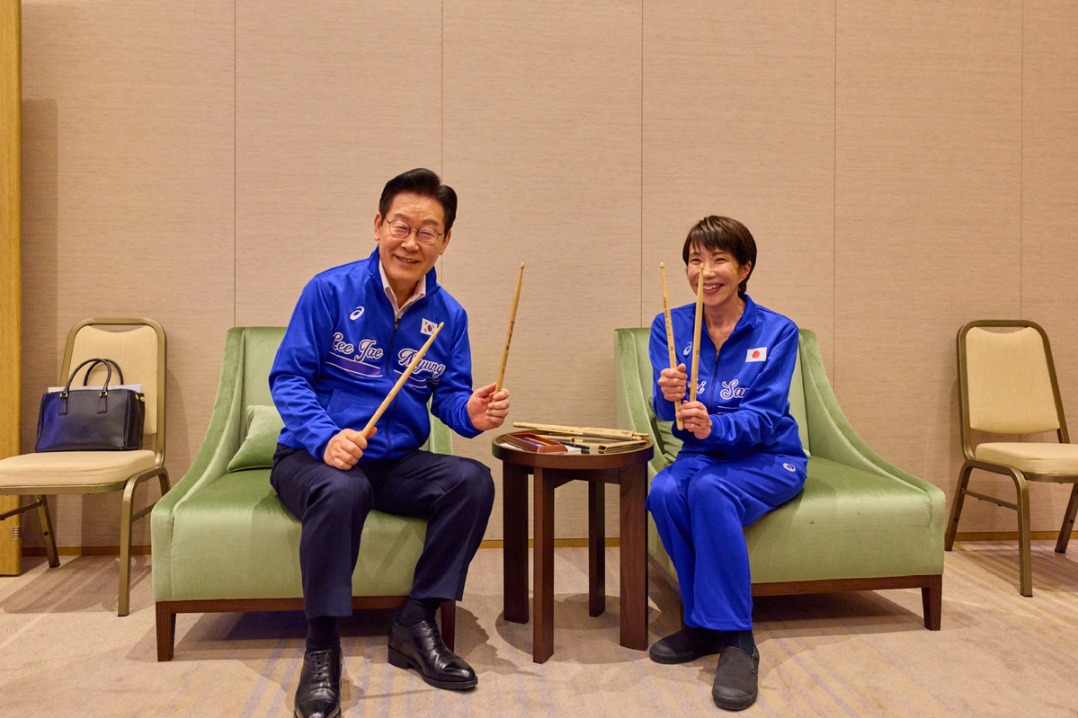
In a carefully choreographed diplomatic encounter, South Korean President Lee Jae-myung concluded a two-day visit to Japan this week, engaging in bilateral discussions with Japanese Prime Minister Sanae Takaichi. The meeting, held in Nara, western Japan, produced striking imagery as the leaders posed with autographed drumsticks following a joint drum-playing demonstration—a symbolic gesture of cooperation that contrasted sharply with the substantive disagreements that characterized their private talks.
The 90-minute discussion encompassed economic collaboration, artificial intelligence development, regional security architectures, and select historical matters. Notably absent from the formal agenda were the most contentious bilateral issues: compensation for wartime forced labor, the ‘comfort women’ controversy, and the sovereignty dispute over the Dokdo/Takeshima islets.
Divergent strategic perspectives emerged prominently during the post-meeting press conference. Prime Minister Takaichi emphasized strengthening trilateral cooperation with the United States as crucial for regional stability, framing Japan-South Korea relations as possessing ‘strategic importance.’ President Lee notably avoided this terminology, instead advocating for broader multilateral cooperation across Northeast Asia beyond the US-centered framework.
Analysts suggest domestic political considerations significantly influenced the summit’s staging. With Takaichi preparing to dissolve Japan’s lower house for snap elections later this month, the meeting provided an opportunity to showcase diplomatic achievements amid criticism of her administration’s foreign policy challenges. Meanwhile, President Lee faces persistent domestic pressure regarding historical issues, evidenced by pre-summit protests in Seoul demanding Japanese accountability for wartime actions.
The territorial dispute remains particularly intractable. Takaichi’s December parliamentary declaration reaffirming Japan’s claim to the disputed islets triggered strong condemnation in South Korea, with major media outlets labeling the statements provocative and detrimental to bilateral relations. The upcoming February observance of ‘Takeshima Day’ in Japan represents another potential flashpoint, especially given Takaichi’s refusal to rule out elevated official participation.
The leaders announced a rare collaborative initiative to recover and identify remains from the 1942 Chosei coal mine flooding, which claimed 183 lives including 136 forcibly mobilized Koreans. Experts note this project represents perhaps the only historically charged issue currently manageable for bilateral cooperation, primarily because Japanese victims were also involved and domestic advocacy for resolution exists within Japan.
Despite the ceremonial displays of goodwill, analysts from both countries conclude that the summit relied on temporarily shelving disputes rather than resolving them. Given the current Japanese administration’s stance on historical issues and its confrontational security outlook, bilateral relations are likely to remain instrumental rather than strategic in the foreseeable future, characterized by pragmatic cooperation on specific issues while fundamental divisions persist.