After a quarter-century of complex negotiations, the European Union and the South American Mercosur bloc are poised to formally sign one of the most significant trade agreements in modern history. The landmark deal, set for formalization at a ceremony in Paraguay, represents a profound shift in global trade dynamics and a powerful endorsement of multilateralism.
The agreement between the EU and Mercosur—comprising Argentina, Brazil, Paraguay, and Uruguay—will create a free-trade zone encompassing over 700 million people and accounting for approximately 25% of global GDP. The pact eliminates tariffs on a wide range of products, from Argentine beef and Brazilian agricultural goods to European automobiles and machinery.
The timing carries particular geopolitical significance as it emerges against a backdrop of rising protectionism and great power competition. European Commission President Ursula von der Leyen characterized the agreement as a robust defense of rules-based international trade “in the face of an increasingly hostile and transactional world.”
For South American nations, the deal represents both economic opportunity and strategic positioning. Brazilian President Luiz Inácio Lula da Silva hailed it as a “victory for dialogue, negotiation and the bet on cooperation.” Experts note the agreement provides South American economies with crucial diversification away from the intensifying U.S.-China rivalry, allowing the region to “flex its muscles in the international sphere,” according to Lee Schlenker of the Quincy Institute.
The accord marks a dramatic policy reversal for Argentina, which maintained protectionist policies for decades. President Javier Milei, despite his libertarian skepticism of international organizations, has embraced the agreement as a mechanism to revitalize Mercosur and open Argentina’s economy to global markets.
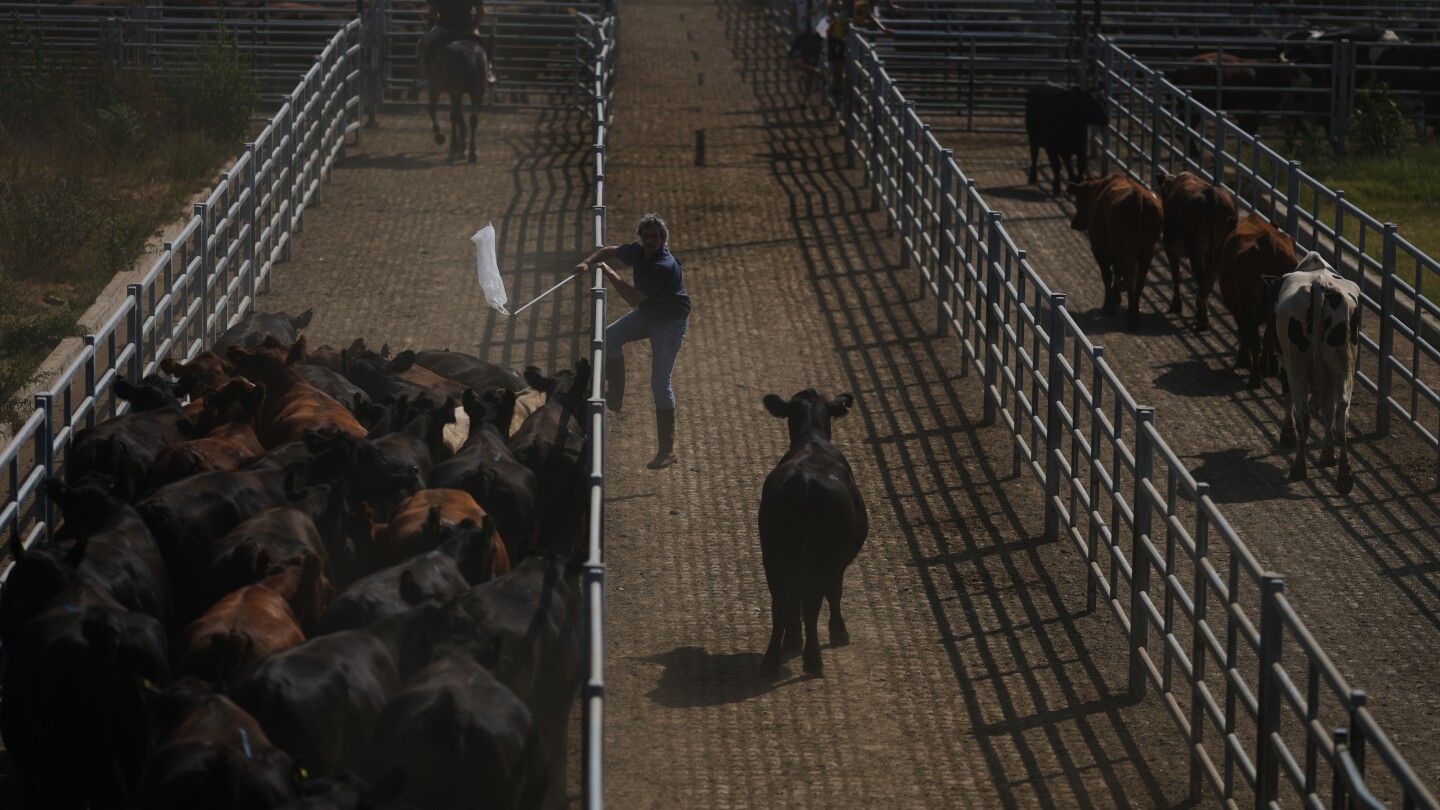
The path to agreement faced significant obstacles, particularly from European agricultural interests concerned about competition. Widespread farmer protests across Europe prompted the EU to add environmental safeguards, animal welfare protections, and strict export quotas to the final agreement. The bloc further allocated approximately $52 billion in subsidies to ease farmer concerns, a move some analysts characterized as a “sizable bribe” necessary to secure the deal’s passage.
The automotive sector emerges as another major beneficiary, with the elimination of 35% tariffs on European vehicles and parts providing manufacturers like Volkswagen and BMW opportunities to regain market share from Chinese competitors in South America.
Despite the impending signing, the agreement still requires ratification by the European Parliament, leaving some participants cautiously optimistic about its ultimate implementation.