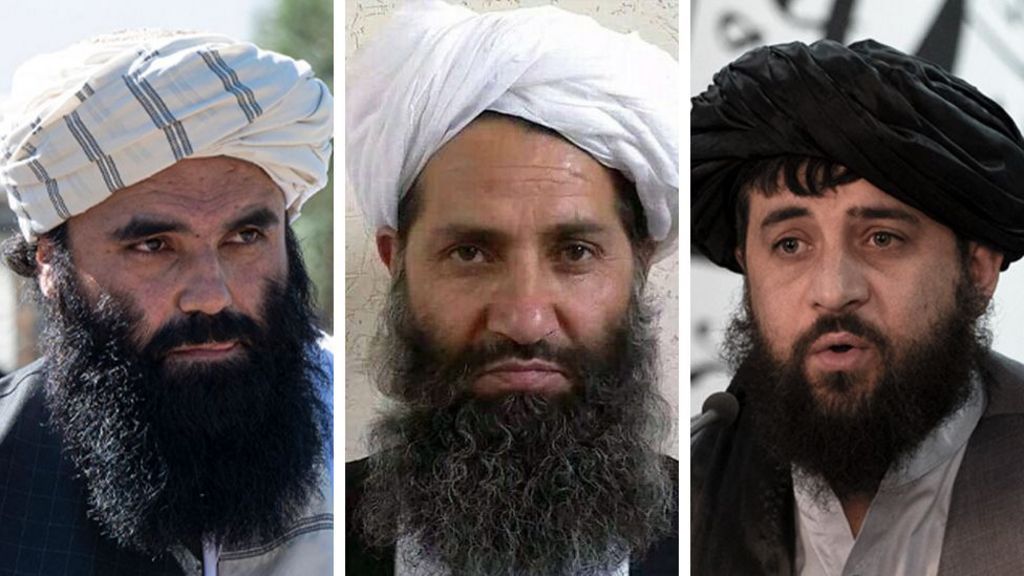
A profound internal power struggle is threatening the unity of Afghanistan’s Taliban government, pitting the reclusive supreme leader against powerful cabinet ministers in a clash over the country’s future direction. The conflict, revealed through a BBC investigation based on leaked audio and over 100 interviews with Taliban insiders, exposes two competing visions for the nation.
At the center stands Supreme Leader Hibatullah Akhundzada, who rules from Kandahar with absolute religious authority. Surrounding himself with hardline ideologues, he advocates for a strictly isolated Islamic Emirate severed from modern global systems. His faction has implemented sweeping bans on girls’ education beyond primary school and women’s employment, enforcing rigid religious interpretations across Afghan society.
Opposing this vision stands the so-called ‘Kabul group’—influential ministers including Interior Minister Sirajuddin Haqqani, Defense Minister Mohammad Yaqoob, and political leader Abdul Ghani Baradar. While still conservative Islamists, these figures advocate for international engagement, economic development, and limited modernization. They particularly disagree with Akhundzada’s education bans and isolationist policies.
The tension reached its climax in September 2025 when Akhundzada ordered a nationwide internet blackout, citing anti-Islamic content concerns. In an unprecedented act of defiance, Kabul-based ministers collectively pressured Prime Minister Mullah Hassan Akhund to restore connectivity just three days later—an act described by insiders as ‘nothing short of rebellion.’
This direct challenge to Akhundzada’s authority marked a seismic shift in Taliban dynamics. While the movement has historically valued obedience to leadership, the pragmatic ministers recognized that governing a modern state requires internet access for both administration and commerce.
The power struggle reflects deeper ideological divisions. Akhundzada, a former Sharia court judge, believes himself accountable only to God and has consolidated power by moving key government functions to Kandahar. Meanwhile, the Kabul faction—many of whom negotiated with the United States and have international experience—seeks a governance model resembling Gulf states while maintaining Islamic principles.
Despite the confrontation, open rupture remains unlikely. Both factions recognize that visible division could threaten their hold on power. As 2026 begins, the question remains whether these internal tensions will translate into meaningful policy changes for the Afghan people, particularly regarding women’s rights and international relations.