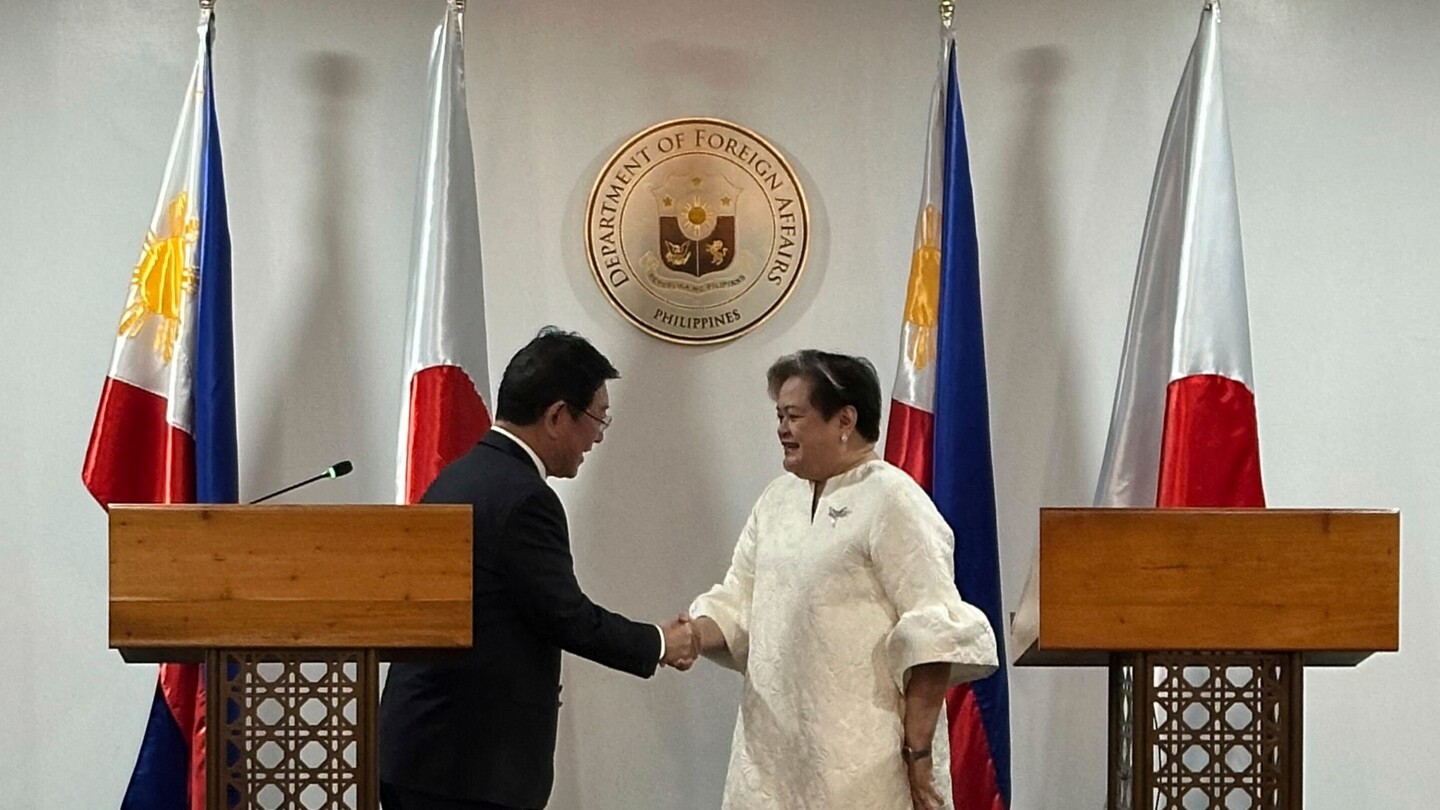
MANILA, Philippines — In a significant strategic move, Japan and the Philippines formalized a comprehensive defense agreement on Thursday enabling tax-free transfers of essential supplies including ammunition, fuel, and provisions during joint military exercises. The Acquisition and Cross-Servicing Agreement, signed by Japanese Foreign Minister Toshimitsu Motegi and Philippine Foreign Secretary Theresa Lazaro in Manila, represents a concerted effort to enhance regional deterrence capabilities amid escalating tensions with China.
The pact, which requires ratification by Japanese legislators, facilitates deepened military cooperation between the two nations who both face separate territorial disputes with Beijing in the East China Sea and South China Sea. The agreement specifically aims to strengthen joint training operations while improving disaster response coordination and support for United Nations peacekeeping missions.
During the signing ceremony, both diplomats emphasized their shared commitment to upholding international law and freedom of navigation. Lazaro stated both nations recognize ‘the value of promoting the rule of law, including the freedom of navigation and overflight, especially in the South China Sea.’ Motegi similarly noted their mutual opposition to ‘unilateral attempts to change the status quo by force or coercion’—a clear reference to China’s increasing assertiveness without directly naming the country.
The defense pact follows the Reciprocal Access Agreement signed in mid-2024, which already permits troop deployments between the two countries for expanded combat exercises including live-fire drills. Additionally, Japan announced new security and economic development assistance packages for the Philippines, including funding for security boat shelters and expanded internet access in impoverished southern provinces previously affected by separatist conflicts.
This growing security partnership occurs against a backdrop of heightened regional tensions. Chinese coast guard and naval vessels have increasingly engaged in hostile encounters with Philippine ships in disputed waters since President Ferdinand Marcos Jr. took office in 2022, marking a departure from his predecessor’s more China-friendly approach. Similar tensions persist in the East China Sea where China regularly challenges Japanese control over disputed islands.
The United States, which maintains treaty alliances with both Japan and the Philippines, has repeatedly expressed concern over China’s escalating actions in these contested maritime territories.