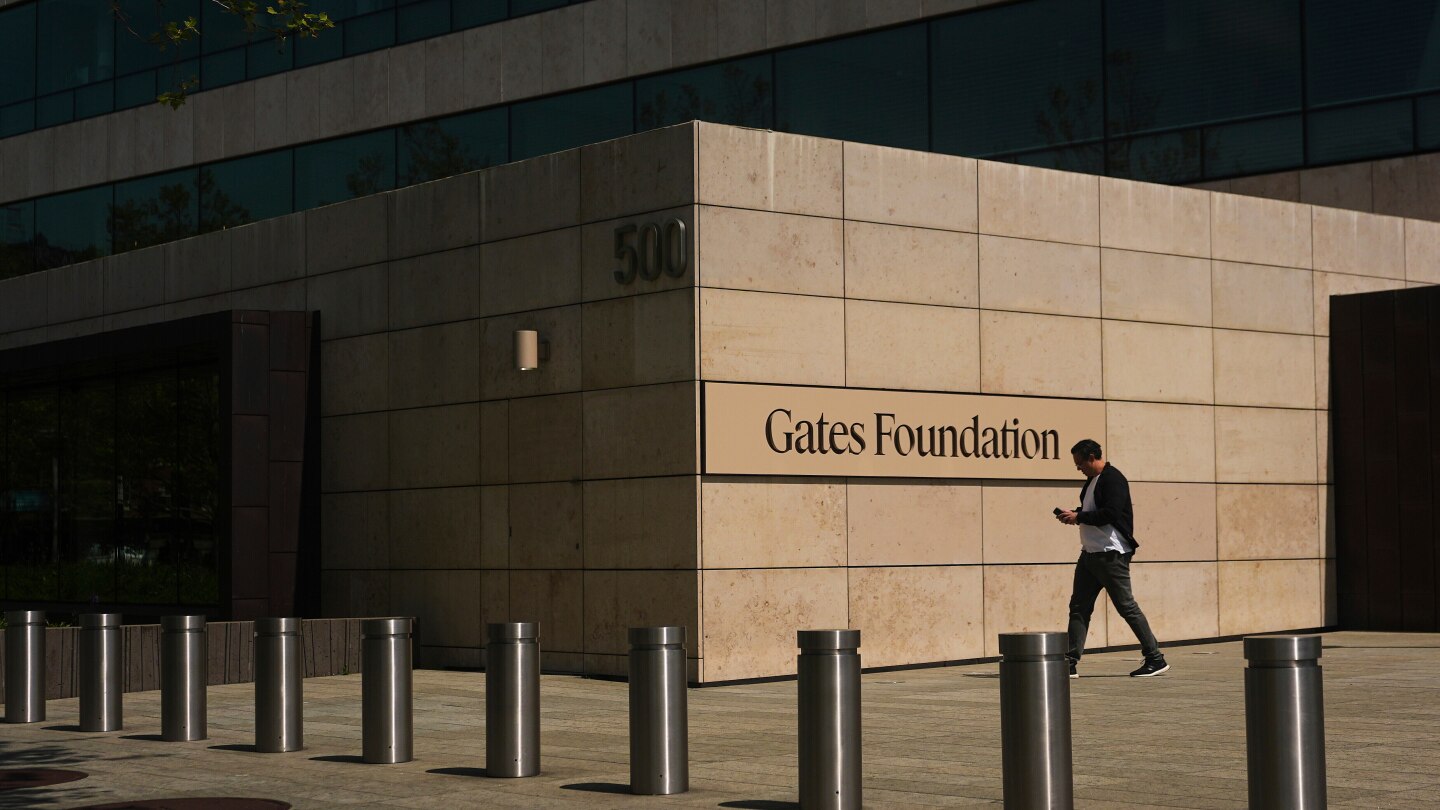
The Bill & Melinda Gates Foundation has unveiled a groundbreaking $9 billion budget for 2026—the largest in its history—while simultaneously initiating a strategic restructuring that will reduce its workforce by up to 500 positions over the coming five years. This dual announcement represents a significant evolution for the world’s most influential philanthropic organization as it advances toward its planned closure in 2045.
The record expenditure, approved by the foundation’s board this week, represents an increase from last year’s $8.74 billion budget and will accelerate funding across critical initiatives including women’s health, vaccine development, polio eradication, artificial intelligence applications, and U.S. education programs. Concurrently, the organization will implement an operational cost cap of $1.25 billion (approximately 14% of total budget) through careful staff reduction and efficiency measures.
Foundation CEO Mark Suzman emphasized the deliberate nature of these changes, stating the staff reductions would occur incrementally rather than through sudden layoffs. ‘We will do this thoughtfully, carefully, and systematically,’ Suzman told the Chronicle of Philanthropy. ‘We’ll be recalibrating it every year. That 500-person target is a maximum target.’
The strategic shift occurs against a challenging global backdrop where cuts in U.S. government humanitarian spending have increased the importance of philanthropic support. Bill Gates noted in a recent blog post that child mortality rates have increased for the first time this century, from 4.6 million in 2024 to 4.8 million in 2025, signaling that ‘the world went backwards’ last year.
In response, the foundation will prioritize three key areas over the next two decades: maternal and child health, infectious disease prevention, and poverty reduction. The organization is also expanding its geographical presence with newly established Africa and India Offices Division, while transferring HIV and tuberculosis program management from Seattle headquarters to African offices.
Despite the planned eventual closure, Suzman maintains optimism about the foundation’s future impact: ‘We are moving into what I believe is going to be the most impactful period of the Gates Foundation in its history. We’ve learned a huge amount over the last quarter century. We’ve built expertise, credibility, and partnerships.’
The foundation continues to balance its embrace of technological innovation with caution, acknowledging both the potential benefits and risks of artificial intelligence. Last July, the organization joined a coalition pledging $1 billion in grants and investments to develop AI tools for public defenders and social workers over the next 15 years.