A powerful economic corridor is rapidly emerging between China, the Association of Southeast Asian Nations (ASEAN), and the Gulf Cooperation Council (GCC), creating unprecedented opportunities for trilateral collaboration and growth. This strategic partnership is reshaping global economic dynamics and establishing new benchmarks for cross-regional cooperation.
Andre Kwok, a Hong Kong-based venture capitalist, exemplifies this trend through his monthly travels between these regions. His work spans diverse sectors including food and agriculture, banking, and financial technologies. “We’re witnessing significant capital movement, particularly from Middle East family offices expanding through Singapore and into markets like Indonesia and Malaysia,” noted Kwok, Director of Rainmaker Ventures and Tomorrow City Co-Investment Ltd.
The economic statistics reveal substantial commercial engagement. In 2024, ASEAN-GCC trade reached $63 billion, positioning GCC as ASEAN’s fifth-largest external trading partner. Simultaneously, China-GCC trade exceeded $288 billion, while China-ASEAN merchandise trade approached the trillion-dollar mark at $982.34 billion.
According to Muath Seyam, Senior Fellow at the Asia Middle East Center for Research and Dialogue, these relationships have entered “a new phase of strategic depth and institutionalization.” Seyam emphasizes China’s “dual and catalytic role as both a shared partner and competitive motivator” in this evolving dynamic.
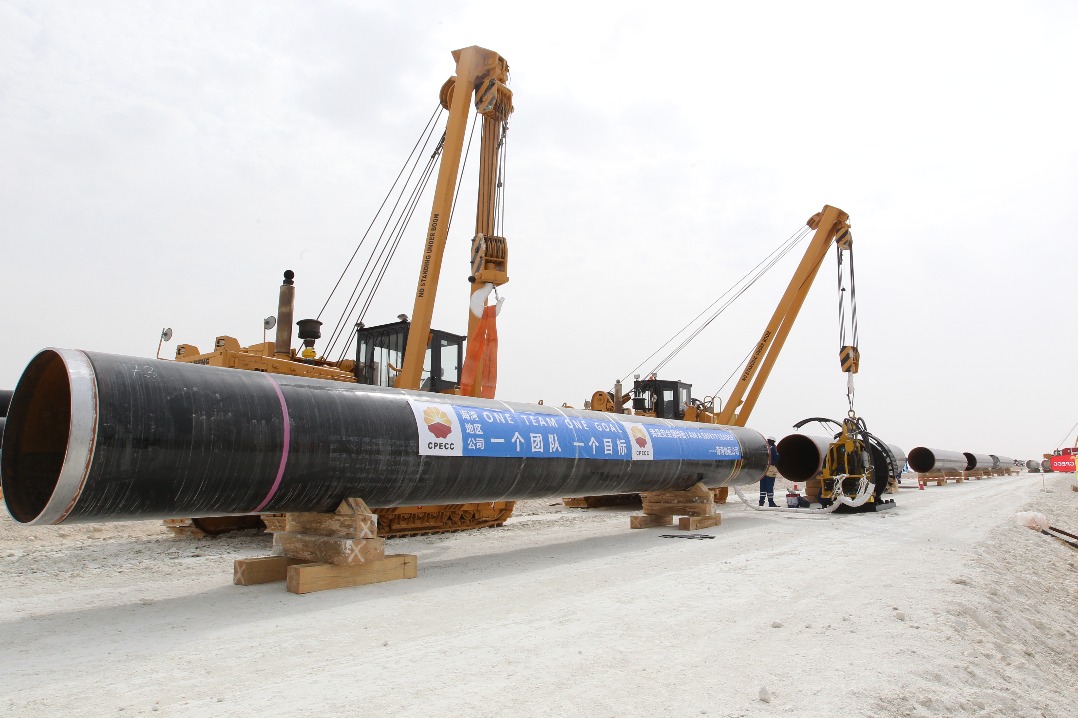
The convergence of China’s Belt and Road Initiative with ASEAN’s Connectivity Master Plan 2025 and various GCC Vision 2030 reforms creates synergistic opportunities in infrastructure financing, maritime logistics, and digital corridors. This alignment is driving coordinated development across the regions.
Educational and cultural exchanges represent another growing dimension. Abdullah Al-Hashem, former GCC Assistant Secretary-General, highlights the need for enhanced educational ties, noting the absence of ASEAN universities in GCC nations. “Knowledge sharing and technology transfer are crucial for strengthening relations,” stated Al-Hashem, currently a professor at Kuwait University.
Abdulrahim Naqi, former Secretary-General of the Federation of GCC Chambers, identifies infrastructure, electricity, water management, and transportation as prime sectors for collaboration. He particularly emphasizes ASEAN’s agricultural expertise as vital for GCC food security initiatives.
The private sector is positioned to drive this trilateral cooperation forward, with chambers of commerce, Islamic banks, and industrial groups facilitating dialogue and partnership development. As these economic corridors continue to develop, they promise to redefine global trade patterns and create new centers of economic influence.