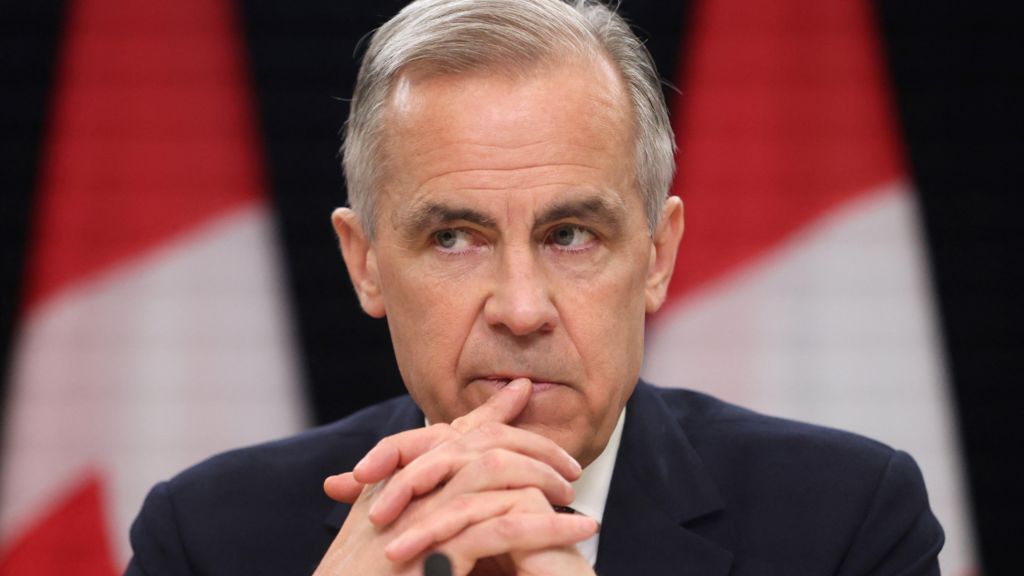
Canadian Prime Minister Mark Carney has embarked on a diplomatically sensitive mission to Beijing, marking the first official visit by a Canadian leader to China since 2017. The high-stakes trip aims to recalibrate bilateral relations while pursuing Canada’s strategic objective of reducing economic dependence on the United States.
The carefully choreographed itinerary includes meetings with China’s Premier Li Qiang, National People’s Congress Chairman Zhao Leji, and a pivotal one-on-one discussion with President Xi Jinping. These engagements represent a significant thaw in relations that reached a historic low in 2018 following the detention of Huawei executive Meng Wanzhou in Canada and China’s subsequent arrest of two Canadian citizens on espionage charges.
Senior Canadian officials have characterized the visit as both “consequential and historic,” aligning with Ottawa’s ambitious plan to double non-US exports within the next decade. The agenda encompasses trade discussions, agricultural cooperation, and international security matters, with particular focus on resolving Chinese tariffs on Canadian canola that have adversely affected farmers in prairie provinces.
The diplomatic reconciliation occurs against a complex backdrop. Ottawa maintains its assessment of China as “an increasingly disruptive global power” that frequently disregards international norms, yet recognizes the necessity of engagement given China’s economic influence. The Carney administration approaches negotiations with dual objectives: fostering collaboration in mutually beneficial areas like energy and climate policy while establishing clear boundaries in contentious domains such as defense and critical minerals.
This diplomatic balancing act has already manifested in preliminary adjustments, including the early termination of a Taiwanese visit by Canadian legislators to avoid conflicting signals during Carney’s Beijing engagement. The underlying tension reflects Canada’s challenging position of pursuing enhanced Chinese trade while maintaining its alliance with the United States, which continues to impose tariffs on Canadian steel, aluminum, and automotive sectors.
Chinese state media has explicitly encouraged Canada to demonstrate “strategic autonomy” from American foreign policy, highlighting how agricultural tariffs imposed by Beijing last year were widely perceived as retaliation for Canadian levies on Chinese electric vehicles. With bilateral trade valued at approximately $118 billion in 2024, both nations recognize the substantial economic stakes involved, though their underlying motivations differ significantly.
Former Canadian diplomat Colin Robertson observed that both countries are approaching the relationship with unprecedented realism, potentially laying groundwork for a more sustainable bilateral framework based on clearly understood boundaries and mutual interests. The United States is monitoring developments closely as Canada navigates its complex position between economic necessity and geopolitical alignment.