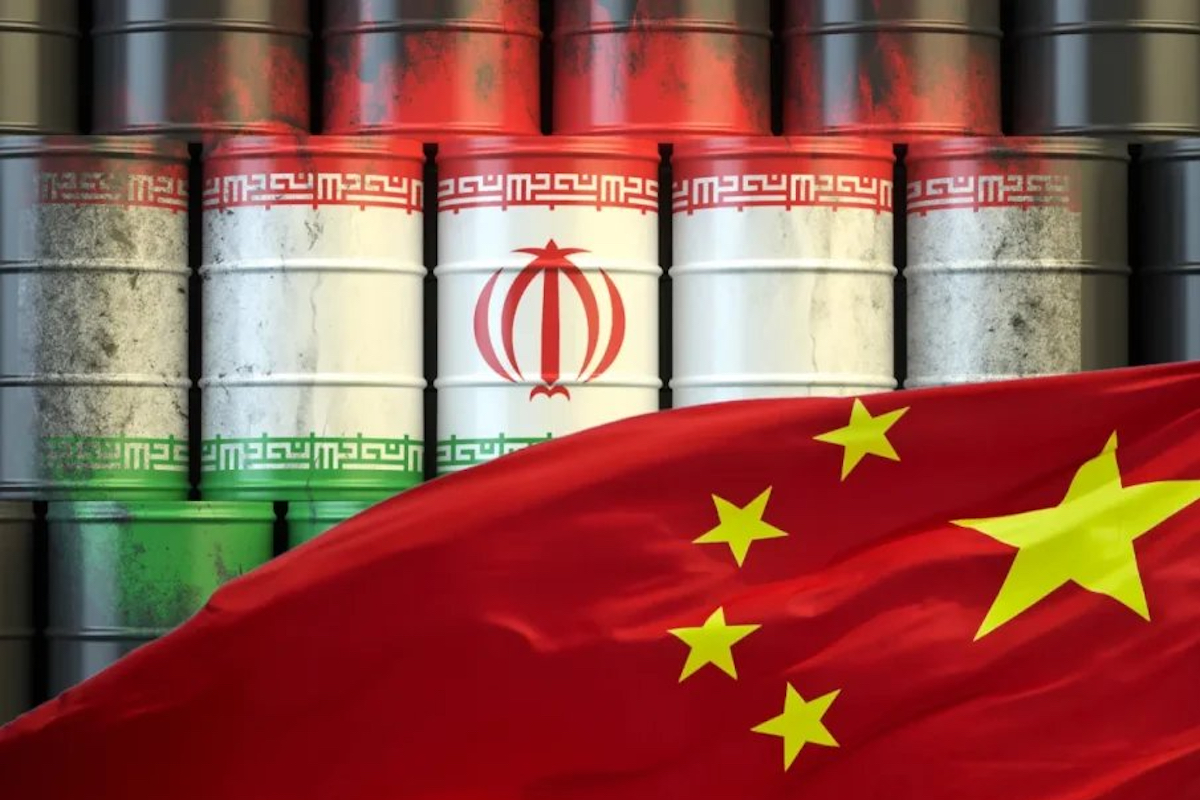
Former President Donald Trump’s proposal to impose 25% tariffs on nations trading with Iran has triggered concerns about renewed economic confrontation between the United States and China. This policy initiative, while ostensibly targeting Tehran, directly challenges Beijing as China remains Iran’s largest trading partner.
The emerging situation threatens to undermine the fragile diplomatic truce established between the two economic superpowers in late 2023. That interim understanding had temporarily halted years of escalating tariffs, export controls, and retaliatory measures, providing businesses with cautious optimism about stabilizing trade relations.
Analysts suggest that a 25% tariff represents more than a technical adjustment—it signals a fundamental shift toward using trade policy as an instrument of confrontation rather than negotiation. Market observers recognize the pattern that typically follows such moves: initial warnings hardening into retaliation, ultimately reshaping the entire economic relationship landscape.
Agricultural sectors would face immediate impact, with American soybean exports to China particularly vulnerable. Previous trade conflicts demonstrated how quickly market access evaporates when politics infiltrates supply chains. However, the implications extend far beyond agriculture, affecting technology, energy, manufacturing, and logistics—all industries dependent on predictable trade flows and stable policy frameworks.
The maximum pressure strategy behind the tariff threat creates impossible choices for companies forced to balance commercial survival against compliance with shifting political demands. Such conditions discourage long-term investment, accelerate supply chain fragmentation, and weaken global growth foundations.
Energy markets already reflect mounting tension, as Iran’s role in global oil supply amplifies every policy signal. Layering tariff threats atop existing sanctions raises risk premiums across commodities, potentially driving higher energy costs that filter into inflation and tighten financial conditions worldwide.
Diplomacy historically provided buffers against such cycles, with trade agreements creating off-ramps and negotiations allowing cooling periods before disputes hardened into prolonged standoffs. Recent signals suggest movement in the opposite direction, with tariffs transitioning from bargaining chips to default responses.
Both nations face difficult calculations: China must balance resisting external pressure against avoiding domestic perceptions of weakness, while Washington weighs appearing indecisive against reopening trade conflicts that previously inflicted deep damage on global growth.
Investors recognize familiar patterns in these developments, recalling how earlier tariff escalation cycles began with measures framed as limited before yielding to retaliation rounds that raised barriers and deepened mistrust. The outcomes consistently delivered higher prices, fractured supply chains, and lasting erosion of confidence between major economies.
Asia stands particularly exposed, with regional supply chains threading through Chinese factories, Southeast Asian ports, and energy corridors dependent on stable global trade rules. Any renewed confrontation sends immediate shockwaves through regional growth, currencies, and capital flows, with consequences extending far beyond the two primary nations involved.
Political leaders often underestimate how rapidly confidence evaporates under such conditions. Markets move faster than diplomacy, and companies freeze investment plans long before negotiations resume, tightening financial conditions ahead of formal policy changes.
The world learned painful lessons from earlier tariff escalation cycles. Those lessons now face a fresh decisive test as trade policy increasingly generates instability rather than leverage, potentially reopening wounds that global commerce spent years trying to heal.