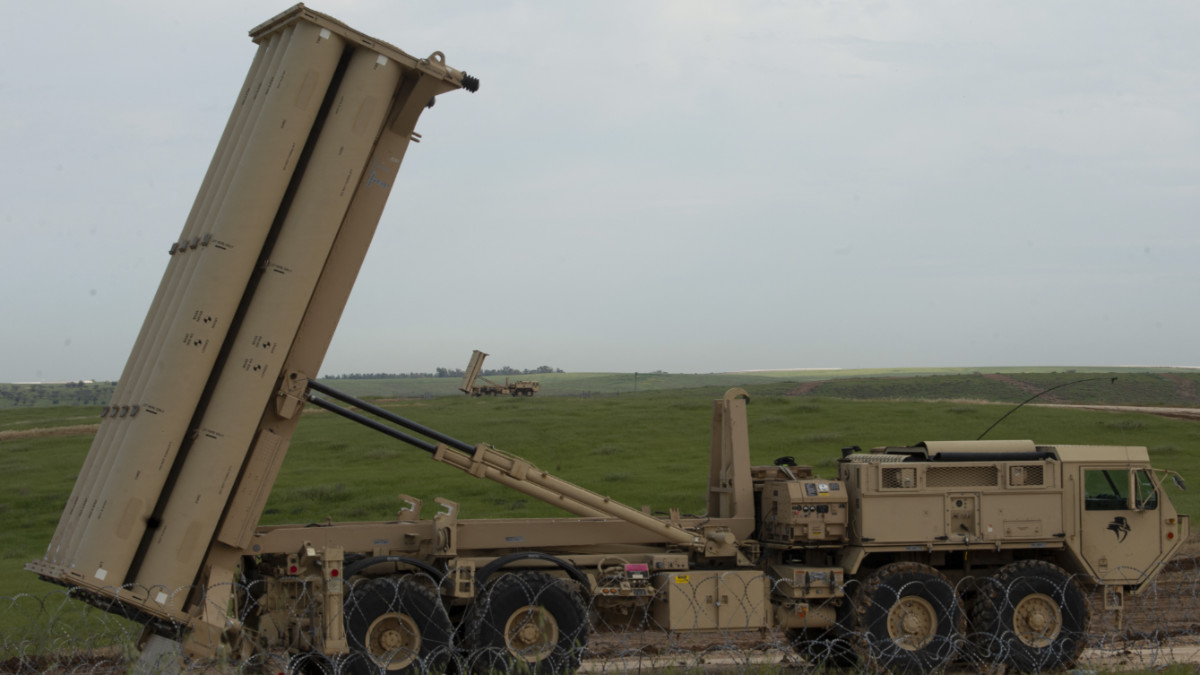
The United States and Qatar have formally inaugurated a new air and missile defense coordination center at Al-Udeid Air Base, signaling strengthened military cooperation as the Trump administration contemplates potential intervention in Iran. Admiral Brad Cooper, commander of U.S. Central Command (CENTCOM), characterized the facility as a “significant step forward” in regional air defense integration, with 17 nations currently participating in operations at the site.
This development represents the latest effort by Washington to establish enhanced defense collaboration among regional partners, often described as a “Middle East NATO” initiative primarily focused on countering Iranian influence. However, analysts note that America’s credibility as regional security guarantor suffered following Israel’s September strike on Hamas negotiators in Doha, an operation that Middle East Eye reported President Trump had prior knowledge of despite official denials.
The strategic importance of Qatar within U.S. defense architecture has been further highlighted by recent events. In response to security concerns, Qatar secured a presidential executive order equating attacks on the gas-rich nation to attacks on American interests. Not to be outdone, Saudi Arabia pursued similar security assurances during Crown Prince Mohammed bin Salman’s November visit to Washington.
The timing of the defense coordination announcement coincides with escalating protests in Iran and U.S. considerations of military action. President Trump’s social media posts encouraging protesters to “take over” government institutions while promising assistance have heightened regional tensions.
Qatar finds itself in a delicate position, being the only regional nation to have experienced attacks from both Israel and Iran. The relationship with Tehran is particularly complex, as both countries share the world’s largest natural gas field and have maintained diplomatic channels. Qatar and Oman have consistently served as mediators between Washington and Tehran.
The regional security landscape continues to evolve amid Israel’s military actions in Gaza and strained normalization efforts with Gulf states. Middle East Eye reported that Saudi Arabia notably refused U.S. requests to provide missile interceptors during Iranian ballistic missile attacks against Israel, highlighting the complicated alliances and competing interests characterizing Middle Eastern geopolitics.