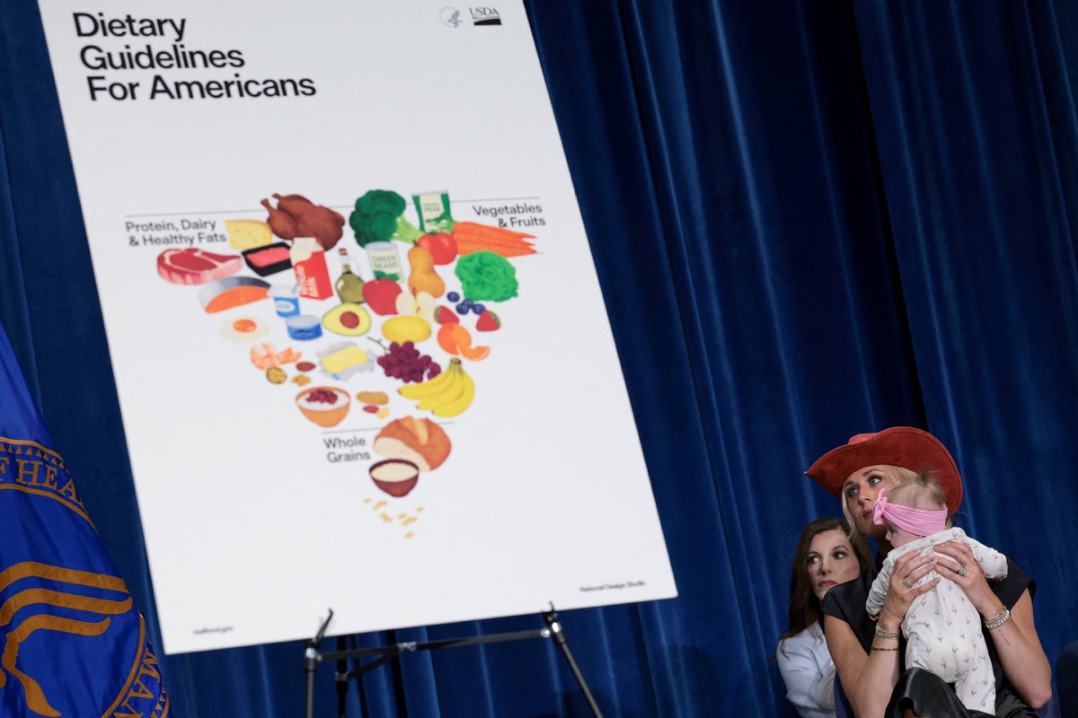
The United States has ignited international scientific debate with its newly released federal dietary guidelines that dramatically depart from decades of established nutritional advice. Unveiled on January 7, 2026, by the Departments of Agriculture and Health and Human Services, the guidelines position meat, full-fat dairy products, and oils at the core of recommended eating patterns while marginalizing grains and fruits.
The controversial framework, promoted as encouraging ‘real food’ over ultra-processed products, eliminates previous alcohol consumption limits and emphasizes protein-rich diets. US officials defend the changes as reflecting emerging consensus on prioritizing minimally processed foods over refined carbohydrates. However, prominent nutrition experts have raised serious concerns about the scientific basis and potential motivations behind the revisions.
Dr. Marion Nestle, Professor Emerita of Nutrition at New York University, expressed skepticism regarding the evidence supporting increased meat and high-fat dairy consumption. ‘They claim this is based on scientific evidence,’ Nestle stated, while questioning whether sufficient research exists to justify these specific recommendations.
The guidelines have drawn particular scrutiny from Chinese nutrition experts who are analyzing their global implications. Gu Zhongyi, a leading Chinese dietitian, emphasized that ‘dietary guidelines don’t just affect what’s on the plate—they reshape agricultural supply chains, land use and food prices.’ China maintains its grain-centered dietary approach, which experts argue better aligns with both nutritional science and domestic production realities.
Environmental advocates have additionally criticized the guidelines for largely ignoring climate considerations and sustainability impacts. Zhang Qinglu, a researcher at Huazhong Agricultural University, noted that the proposed dietary structure ‘fails to account for its implications on agricultural burdens,’ adding that its ‘effects on global ecological sustainability remain subject to debate.’
The guidelines have also raised practical concerns among both American and Chinese communities regarding affordability and implementation. Restaurant owner Jimmy Zhang from Boston commented that eating more meat and dairy ‘is not realistic for a lot of families’ facing economic constraints.
As the scientific community continues to assess the guidelines, the fundamental question remains: who do these nutritional recommendations truly serve?