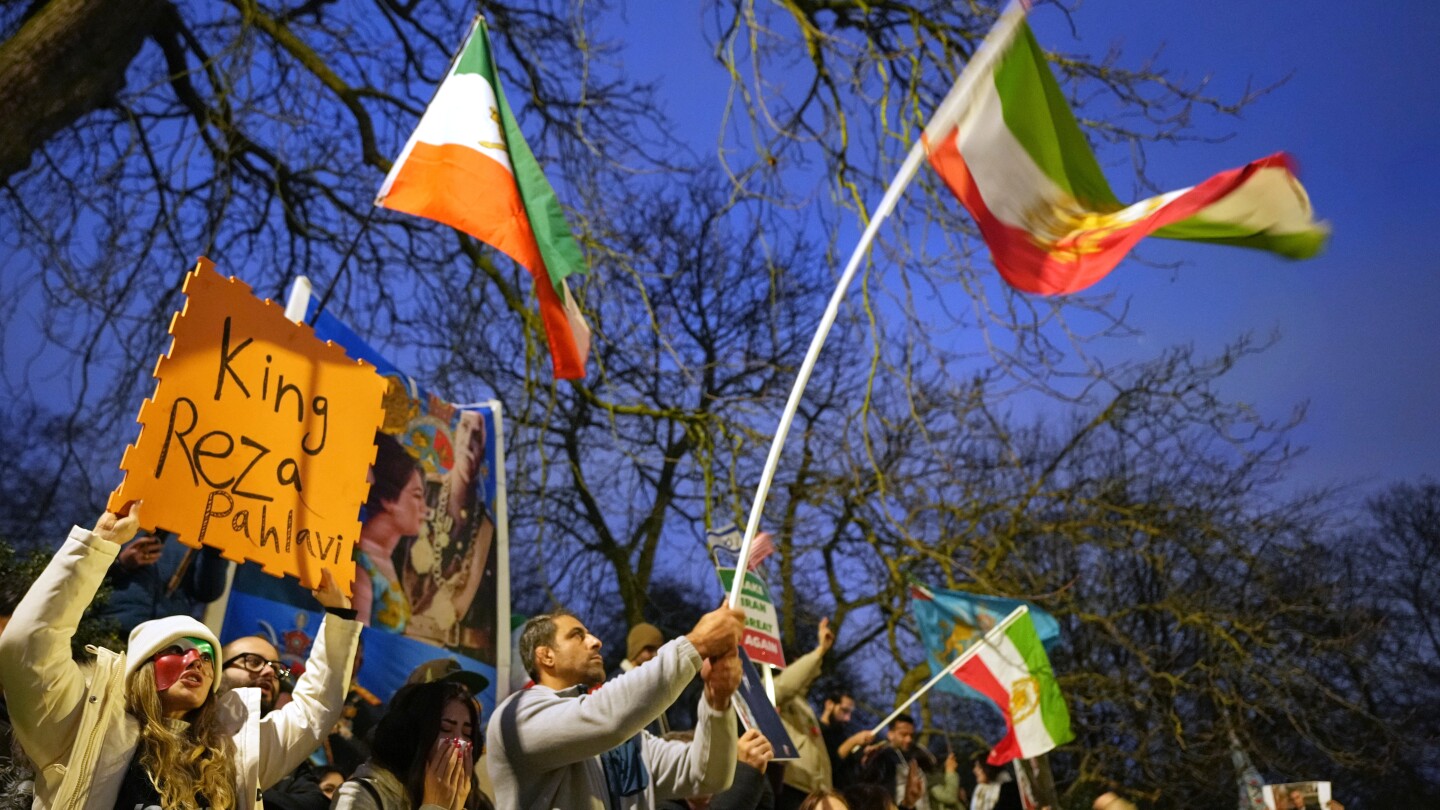
In a limited concession during ongoing civil unrest, Iranian authorities restored international calling capabilities via mobile phones on Tuesday while maintaining severe internet restrictions and text messaging blackouts. This partial communications restoration occurs amidst a violent government crackdown on nationwide protests that activists report has resulted in approximately 2,000 fatalities, according to the U.S.-based Human Rights Activists News Agency.
The telecommunications adjustment allows Iranians to place outgoing international calls, though incoming calls from abroad remain blocked. Witnesses in Tehran, speaking anonymously due to security concerns, confirmed that SMS services remain disabled and internet access is restricted to government-approved domestic websites, completely isolating Iran from global digital connectivity since Thursday.
International response has escalated significantly, with multiple Western nations implementing diplomatic and economic measures. France summoned Iran’s ambassador to denounce what Foreign Minister Jean-Noel Barrot termed “intolerable, unbearable, and inhumane” repression. The United Kingdom announced comprehensive sanctions targeting Iran’s finance, energy, and transport sectors, with Foreign Secretary Yvette Cooper condemning the “desperate regime’s” violence against a “genuine grassroots movement.”
European Commission President Ursula von der Leyen declared forthcoming EU sanctions against Iranian officials responsible for the crackdown, stating “The rising number of casualties in Iran is horrifying” and affirming support for citizens “bravely marching for their liberty.” Simultaneously, the Netherlands and Finland summoned Iranian ambassadors to protest the violence and communications blackout.
United Nations Human Rights Chief Volker Türk issued a stark warning, demanding an immediate end to violence against peaceful demonstrators and expressing particular concern about judicial officials discussing potential death penalties for protesters through expedited proceedings.
Iranian officials responded defiantly, with Foreign Minister Abbas Araghchi threatening reciprocal measures against European restrictions and alleging Western hypocrisy regarding Israel’s actions in Gaza. State television reported the arrest of “Israel-linked terrorist groups” in southeastern Zahedan, though Israel’s military declined to comment.
The international dimension expanded as U.S. President Donald Trump announced canceled meetings with Iranian officials while telling protesters “help is on the way” without providing specifics. German Chancellor Friedrich Merz speculated about the Iranian government’s imminent collapse, stating regimes maintaining power solely through force are “effectively at the end.”