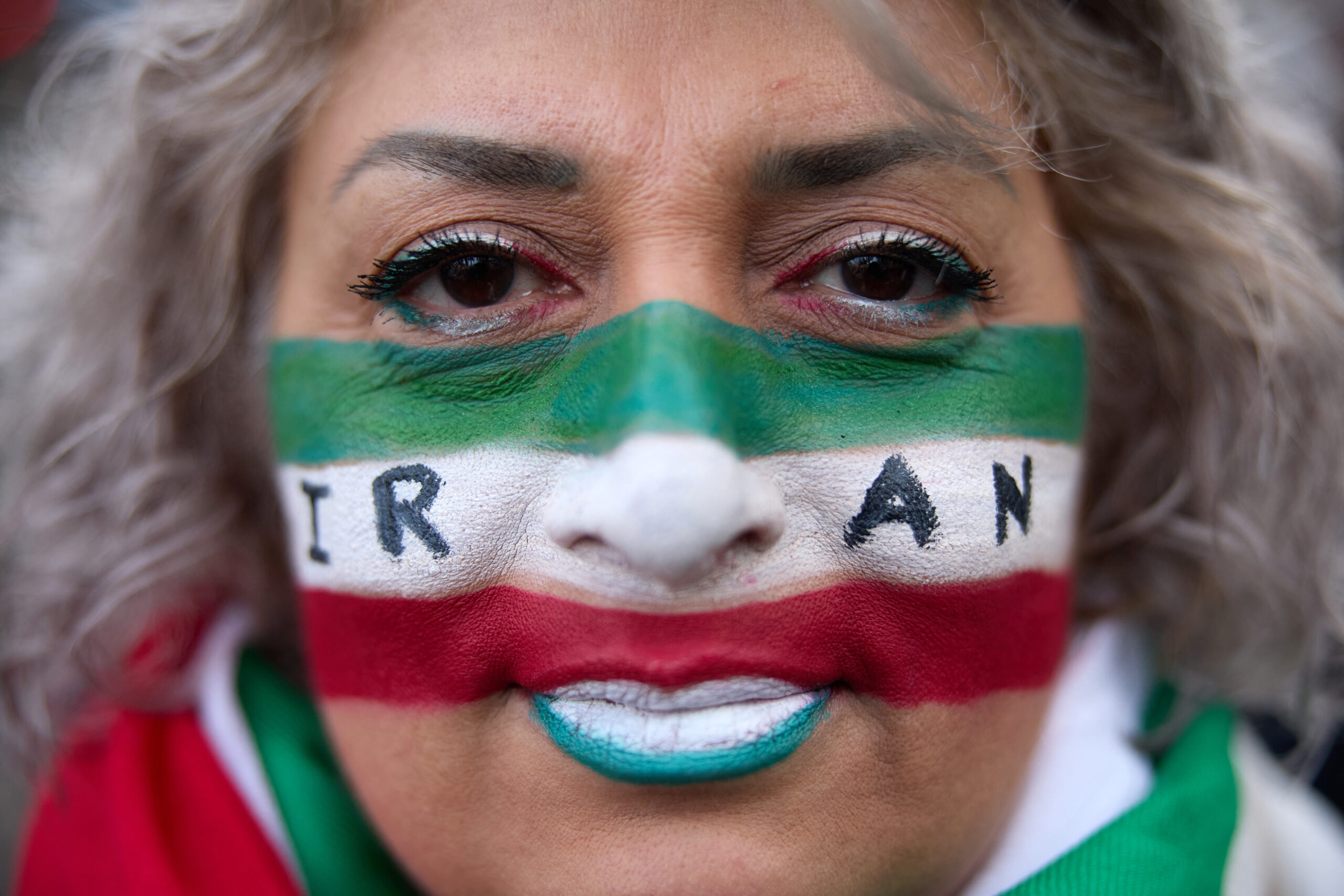
Social media platforms have emerged as the central battleground for discourse surrounding the escalating protest movement in Iran, revealing a multifaceted conflict that defies simplistic geopolitical narratives. What originated as economic demonstrations by shopkeepers protesting rampant inflation has rapidly evolved into a widespread domestic and international demand for systemic political reform.
The scale of the unrest is significant, with Reuters reporting approximately 2,000 fatalities—including both civilians and security personnel—while the U.S.-based Human Rights Activists News Agency documents over 10,700 arrests as the protests enter their third week. These represent the most substantial demonstrations since the 2022 ‘Woman Life Freedom’ movement.
International reactions have further complicated the situation. U.S. President Donald Trump has openly contemplated intervention, stating military officials are ‘looking at some very strong options’ while simultaneously imposing a 25% tariff on nations conducting business with Iran. Israeli officials, including former defense minister Yoav Gallant, have explicitly advocated for regime change, encouraging revolt against Tehran’s leadership.
Amid these developments, social media has become a platform for nuanced analysis. Palestinian-American comedian Sammy Obeid articulated a perspective gaining traction online: ‘A million things can be true at once.’ This sentiment acknowledges simultaneous realities—Iranian government oppression, external exploitation by intelligence agencies, and Western economic sanctions that have crippled Iran’s economy while disproportionately affecting the middle class that could drive change.
Iranian-American commentator Ariana Jasmine Afshar echoed this complexity: ‘Iranian people who currently live under an oppressive dictatorship deserve to express themselves without state sanctioned violence AND the US, western forces and Israel have cause irreparable harm to Iranians.’
Regional experts emphasize Iran’s civil society as the potential driver for organic political transformation. Ellie Geranmayeh of the European Council for Foreign Relations notes that Western discourse often overlooks that Iranian protesters aren’t necessarily calling for foreign military intervention. Mohammad Ali Shabani, editor of Amwaj magazine, suggests most Iranians would welcome sanctions relief and recognize the Islamic Republic’s impermanence, but prefer change without external imposition.
As Iran’s foreign minister maintains that Tehran remains open to either ‘war or dialogue,’ the digital discourse continues to highlight that supporting Iranian self-determination requires rejecting both domestic oppression and foreign interventionism.