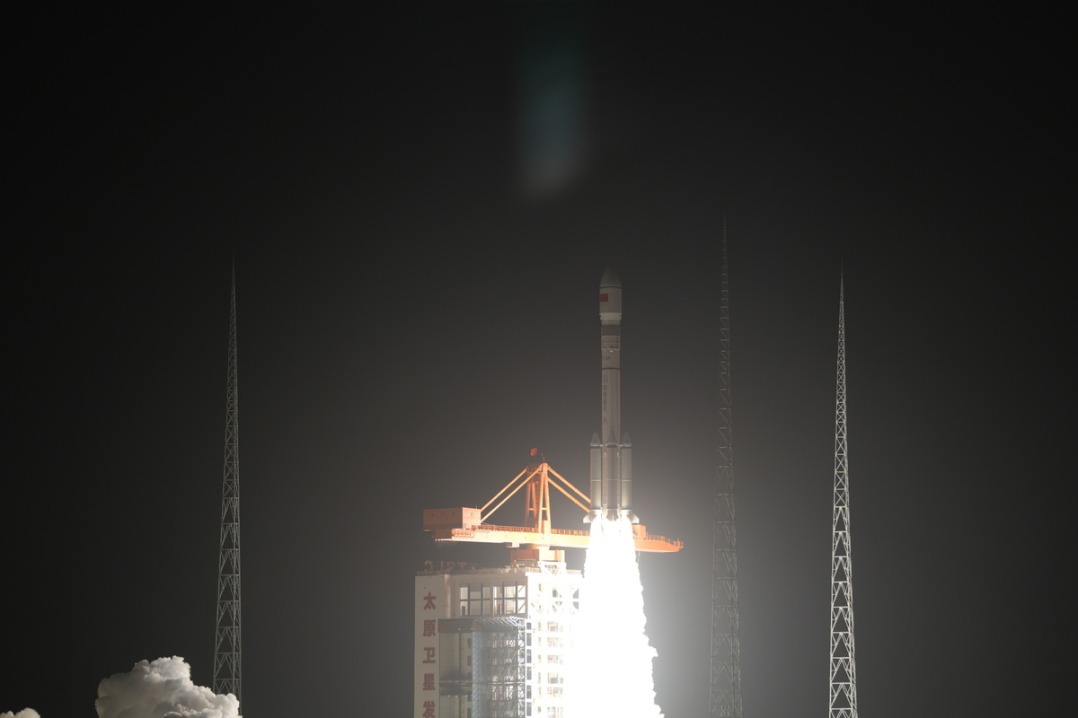
China has embarked on an unprecedented space infrastructure initiative by submitting plans to the International Telecommunication Union (ITU) for deploying 203,000 satellites across 14 distinct constellations. This monumental filing represents the nation’s most substantial coordinated international effort to secure critical orbital resources and frequency spectrum.
The ambitious application, dominated by China Satellite Network Group (planning 12,992 satellites) and Yuanxin Satellite Technology (targeting over 15,000 satellites), signals a strategic shift in China’s space development approach. Rather than isolated commercial ventures, this nationwide coordination elevates satellite internet to government-backed infrastructure status, involving diverse stakeholders from commercial space companies to major telecommunications operators like China Mobile and China Telecom.
Industry experts emphasize that while the filing demonstrates long-term strategic planning, significant challenges remain in execution. Yang Feng, CEO of commercial satellite firm Spacety, notes that transforming these plans into operational constellations requires overcoming substantial hurdles in systems engineering, manufacturing capacity, and launch capabilities.
The timing coincides with growing competition in low-Earth orbit, where currently approximately 10,824 operational satellites exist with orbital resource utilization at 18%. The United States maintains dominance through SpaceX’s Starlink program, accounting for 75.94% of active spacecraft globally, while China represents just 9.43%.
According to Zhang Zhilong, associate professor at Beijing University of Posts and Telecommunications, China may require five to ten years to achieve parity with Starlink in launch volume. Success will depend not only on technical execution but also on developing a comprehensive ecosystem encompassing direct-to-handset standards, terminal affordability, service models, and enhanced industry chain coordination.
The market response has been volatile, with commercial space stocks initially surging before experiencing significant corrections, reflecting both optimism about the sector’s potential and awareness of the practical challenges ahead.