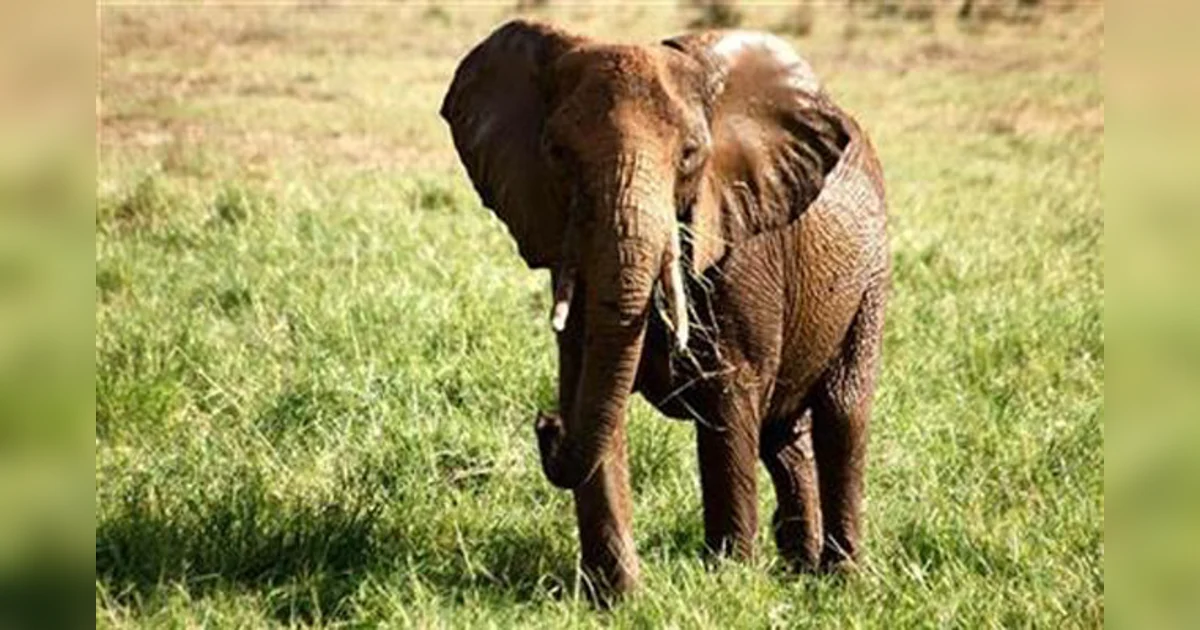
Indian authorities have launched an extensive search operation to locate a destructive wild elephant responsible for a deadly rampage that claimed 20 lives in Jharkhand’s rural regions. The solitary male elephant, exhibiting unusually aggressive behavior, terrorized West Singhbhum district over a nine-day period starting in early January, leaving communities in profound distress.
According to government forest officer Aditya Narayan, coordinated efforts involving drone surveillance and ground patrols are underway to track the elusive pachyderm, which hasn’t been sighted since last Friday despite intensive search operations. The victims include vulnerable children, elderly residents, and even an experienced elephant handler (mahout), highlighting the severity of the situation.
The escalating crisis has forced inhabitants across more than 20 villages to abandon agricultural activities or implement nighttime barricades for protection. Local elected official Pratap Chachar confirmed that security teams are providing nocturnal assistance to frightened communities living under constant threat.
This tragic incident underscores the growing human-elephant conflict in India, where shrinking habitats force these endangered giants into increasingly frequent contact with human settlements. Parliamentary data reveals that elephant attacks resulted in 629 fatalities during the 2023-2024 period alone. Wildlife experts suggest the aggressive behavior may be linked to ‘musth’—a physiological condition in male elephants characterized by heightened testosterone levels and increased aggression during mating periods.
India hosts the world’s largest population of wild Asian elephants, recently estimated at 22,446 individuals by the Wildlife Institute of India. These elephants, classified as endangered by the International Union for Conservation of Nature, now inhabit merely 15% of their historical range due to expanding human infrastructure, mining operations, and agricultural development.