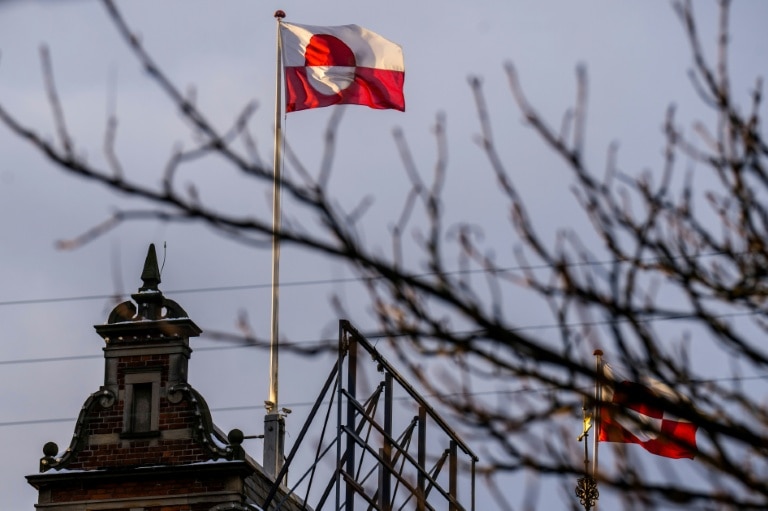
The geopolitical landscape of the Arctic is undergoing significant transformation as Greenland cautiously advances its independence aspirations from Denmark, while simultaneously navigating overtures from the United States. This complex triangular relationship represents a critical juncture in North Atlantic politics.
Greenland, which transitioned from Danish colony to self-governing territory in 1979, has established a clear constitutional pathway toward potential sovereignty. The 2009 Self-Government Act, ratified by the Danish parliament, provides Article 21 stipulations that mandate independence negotiations must commence should Greenland’s population formally express this desire through democratic processes.
The economic dimension presents substantial challenges for prospective sovereignty. Greenland’s economy remains heavily dependent on annual Danish subsidies totaling approximately 4.5 billion kroner ($703 million), constituting nearly 20% of the territory’s GDP. With an economic foundation primarily reliant on fisheries and facing demographic challenges including an aging population, economic self-sufficiency represents a significant hurdle.
Political dynamics within Greenland reveal nuanced perspectives on independence timing. While polls indicate overwhelming support for eventual sovereignty among Greenlanders, there exists considerable divergence regarding the appropriate timeline. The current coalition government, enjoying 75% electoral support, advocates for gradual independence implementation based on a draft constitution from 2024. Conversely, the opposition Naleraq party has capitalized on recent geopolitical developments to advocate for accelerated separation.
International dimensions further complicate the independence calculus. Former US President Donald Trump’s repeated expressions of interest in acquiring Greenland for national security purposes have introduced additional geopolitical considerations. Danish officials and historians have uniformly rejected such propositions, emphasizing that any determination regarding Greenland’s future must occur absent external coercion.
Academic perspectives highlight the Nordic tradition of peaceful separation, citing historical precedents including Norway’s 1905 independence from Sweden and Iceland’s 1944 sovereignty declaration from Denmark. This established pattern suggests that should Greenland pursue independence, the process would likely follow diplomatic channels rather than confrontational approaches.
The road to potential sovereignty involves multiple procedural requirements, including parliamentary approval in both Nuuk and Copenhagen followed by a Greenlandic referendum. This carefully structured process reflects the complex interdependence that has developed between Denmark and its largest territory over centuries of shared history.