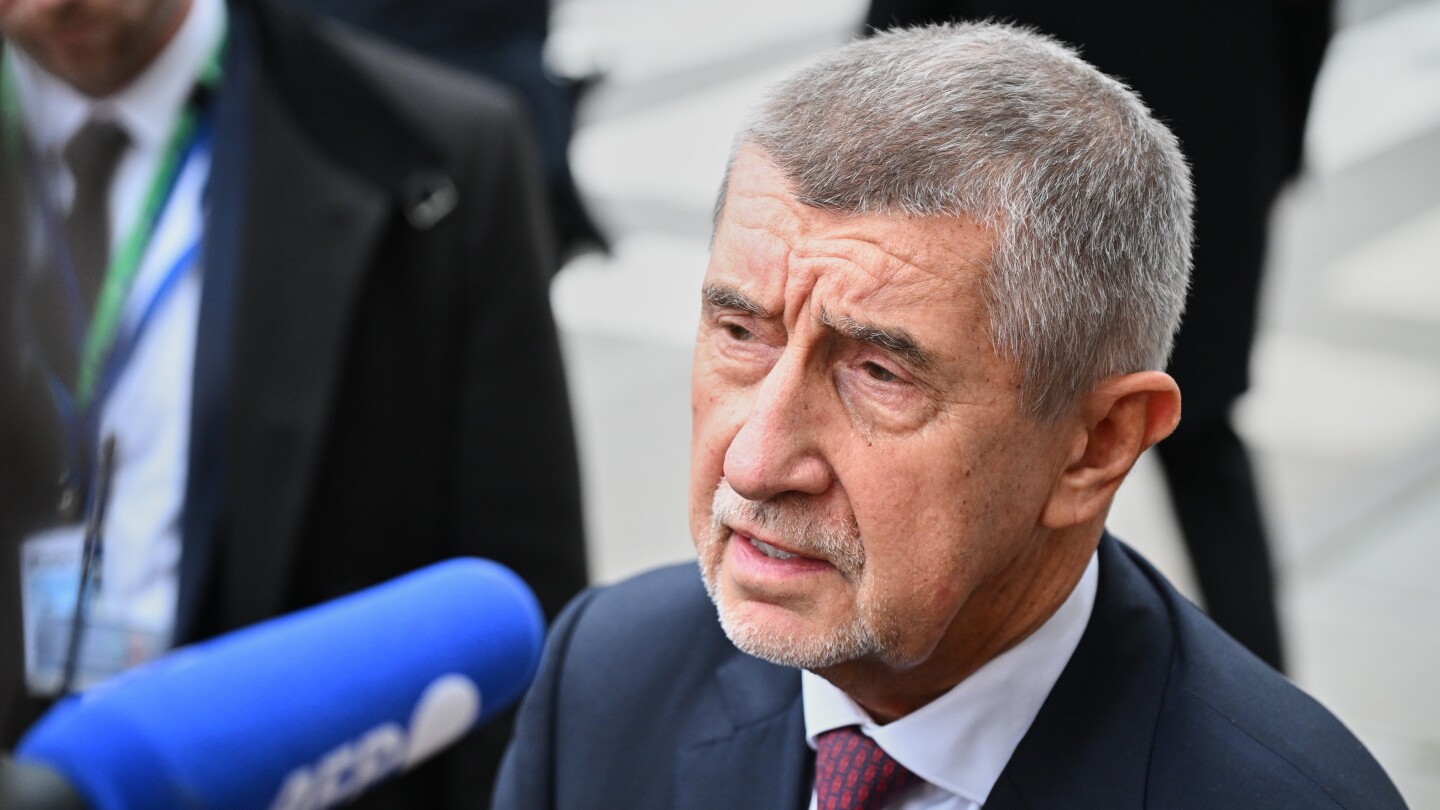
PRAGUE — The Czech Republic’s newly formed administration under populist Prime Minister Andrej Babiš confronted a crucial parliamentary confidence vote on Tuesday, testing support for its controversial agenda that marks a dramatic departure from previous pro-Western policies. The government coalition, commanding 108 seats in the 200-member lower house, seeks to redefine the nation’s international alignment by distancing itself from European Union initiatives and terminating financial assistance to Ukraine.
Babiš’s ANO (YES) movement, which secured a decisive victory in October’s parliamentary elections, has established an unconventional alliance with two fringe parties: the anti-immigration Freedom and Direct Democracy party and the right-wing Motorists for Themselves group. This 16-member cabinet, united by their admiration for former U.S. President Donald Trump, represents a significant political transformation in Central Europe.
In his parliamentary address, Babiš emphasized his government’s priorities: ‘I’d like to make it clear that the Czech Republic and Czech citizens will be first for our government.’ This domestic-focused agenda aligns with similar political movements in Hungary and Slovakia, where Prime Ministers Viktor Orbán and Robert Fico have implemented comparable foreign policy shifts.
The new coalition’s platform includes rejecting the EU Green Deal, proposing coal industry revitalization, and examining the status of Ukrainian refugees. While maintaining administrative oversight of a previous initiative that secured 1.8 million artillery shells for Ukraine, the government has categorically refused additional financial contributions to Ukrainian defense efforts. The Freedom and Direct Democracy party has further advocated for Czech withdrawal from EU and NATO membership, signaling a potential fundamental reorientation of the country’s international partnerships.