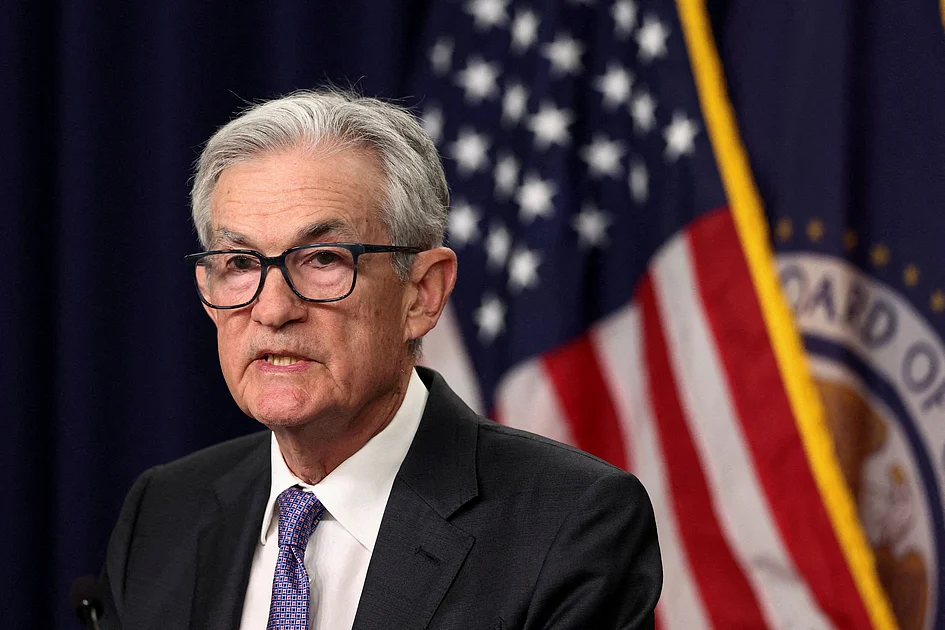
Financial markets are grappling with unprecedented concerns over the Federal Reserve’s independence following revelations of a Justice Department investigation targeting Chair Jerome Powell. The escalating confrontation has triggered significant market reactions and raised fundamental questions about the integrity of U.S. monetary policy institutions.
In a remarkable Sunday statement, Powell disclosed the existence of a criminal probe targeting him personally over building renovation matters—a move he characterized as a ‘pretext’ for political manipulation of interest rate policy. This development represents the most direct challenge to central bank autonomy in modern history, occurring against the backdrop of President Trump’s persistent criticism of the Fed’s cautious approach to rate reductions.
The immediate market response has been telling: the U.S. dollar experienced its sharpest daily decline in three weeks, gold prices surged to record highs, equity futures retreated, and long-term Treasury yields climbed significantly. These movements reflect investor apprehension about the potential erosion of institutional safeguards that have long underpinned global confidence in American financial leadership.
International observers are expressing grave concerns. Jens Suedekum, chief adviser to Germany’s Finance Minister, warned that ‘the United States itself will suffer the greatest disadvantages’ from this institutional undermining. The situation exemplifies the Trump administration’s broader pattern of challenging established institutions, from the judiciary to the military, now extending to the cornerstone of financial stability.
Market strategists note concerning implications. Karl Schamotta of Corpay cautioned that aggressive legal threats against Fed officials could ‘drive inflation expectations higher, erode the dollar’s safe-haven role, and trigger a sharp rise in long-term bond yields’—effectively increasing borrowing costs across the American economy.
While Powell’s term concludes in May, with Trump already promising a rate-dove successor, this confrontation establishes a critical precedent for future Fed leadership. ANZ’s chief economist Richard Yetsenga observes that ‘the technocratic Fed, as we have understood it over the past few decades, is fading from view,’ suggesting fundamental changes to monetary policy operations.
Despite the drama, some analysts maintain perspective. Goldman Sachs’ Jan Hatzius expressed confidence that Powell would continue making data-driven decisions throughout his remaining tenure, though acknowledging the probe adds to independence concerns. The episode nevertheless signals to global investors that traditional assumptions about U.S. institutional stability may require reevaluation.