Yemen’s precarious political landscape has descended into deeper crisis following the dramatic defiance of Southern Transitional Council (STC) leader Aidarous al-Zubaidi, who refused to attend critical reconciliation talks in Riyadh this week. This act of rebellion triggered a chain of escalating responses, including Saudi-led coalition airstrikes in Zubaidi’s home province of Al-Dhalea and his subsequent removal from Yemen’s Presidential Leadership Council on charges of “high treason.”
The situation intensified when Zubaidi, instead of traveling to Saudi Arabia, embarked on an unexpected journey to the United Arab Emirates via Mogadishu, Somalia. The Saudi military confirmed his circuitous route from Aden to Abu Dhabi, though Emirati officials maintained conspicuous silence regarding his arrival.
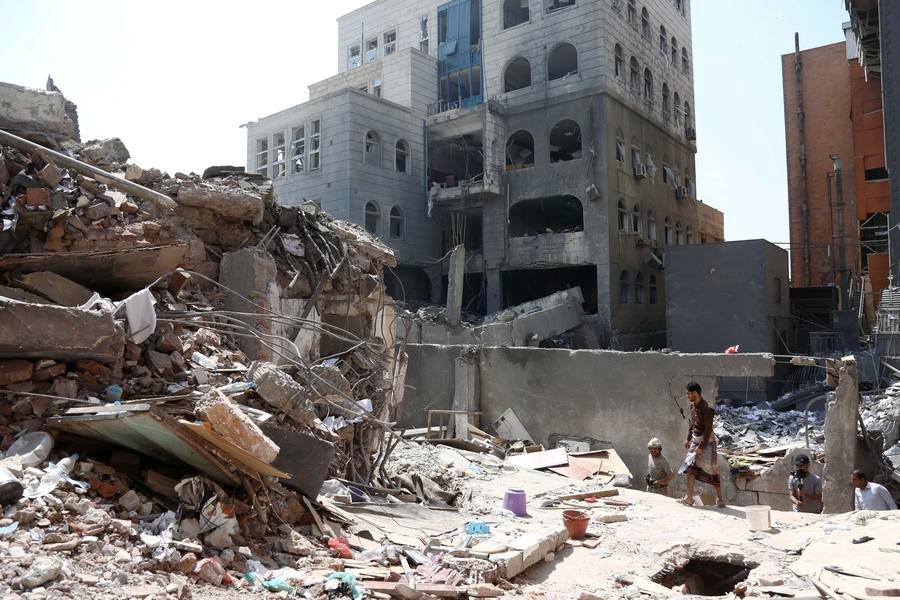
The rupture follows the STC’s aggressive territorial expansion last month and Zubaidi’s recent proclamation of a two-year transition plan for southern independence. Coalition spokesman Turki al-Maliki justified military operations as “limited preemptive strikes” necessary to prevent Zubaidi from “escalating the conflict” after reports emerged of his forces mobilizing armored vehicles and heavy weaponry.
Meanwhile, the STC appears fractured internally, with deputy leader Abdulrahman al-Muharrami remaining in Riyadh and receiving instructions to maintain security in Aden. Concurrently, Saudi-backed National Shield Forces have been deployed toward the strategic port city, which serves as Yemen’s temporary capital and STC headquarters.
The escalating tensions have sparked widespread panic among Aden residents, with civilians rushing to stockpile food, fuel, and essential supplies amid fears of imminent urban combat or airstrikes. In a separate humanitarian development, the first evacuation flight transported 180 stranded tourists from Yemen’s Socotra Island to Jeddah, with additional rescues planned for those trapped by mainland fighting.