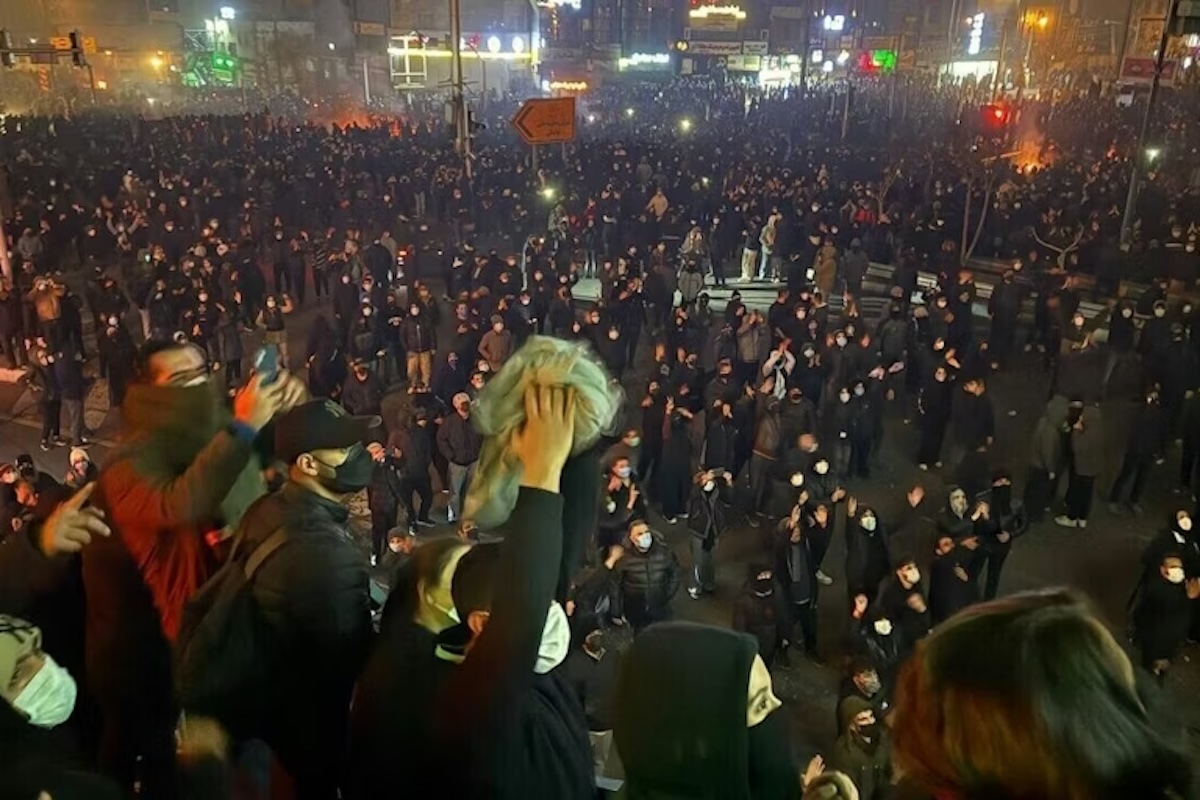
New research reveals a profound transformation in Iranian society, with citizens demonstrating remarkable willingness to endure severe consequences in their pursuit of political change. Since the December 28 protests, estimates indicate over 500 fatalities and more than 10,000 arrests, though actual figures are believed to be substantially higher according to incoming reports.
Conventional polling methods in Iran’s repressive environment have historically presented a distorted image of societal homogeneity. However, the Group for Analysing and Measuring Attitudes in Iran (Gamaan) has pioneered anonymous internet-based surveying techniques that provide unprecedented insight into genuine public sentiment. By collaborating with Psiphon VPN services—utilized by approximately 90% of Iranian internet users to bypass government restrictions—Gamaan has collected representative samples ranging from tens of thousands to over 100,000 respondents.
The research demonstrates that approximately 70-80% of Iranians across all demographics—including provincial, rural, urban, age, and gender divisions—express no support for the Islamic Republic. This sentiment crystallized during the 2022 “Woman, Life, Freedom” protests, where 70% of respondents rejected compulsory hijab laws.
Recent developments have significantly altered the political landscape. Iran’s military capabilities were substantially weakened during the September 2025 12-day conflict with Israel, which resulted in numerous senior commander casualties. Concurrently, the regime has experienced cultural deterioration—evidenced by its diminished capacity to enforce religious dress codes—and economic collapse characterized by currency devaluation.
The surveys indicate that most Iranians view protests, international pressure, and external intervention as more effective mechanisms for change than electoral processes or internal reforms. This perspective intensified following unprecedented statements from a US president threatening intervention should protesters face lethal force, coupled with the military abduction of Venezuelan President Nicolás Maduro, a key Iranian ally.
Regarding political alternatives, 89% of respondents support establishing a democratic system, though support for political liberalism remains more nuanced. Notably, 2025 witnessed increased monarchist sentiment, with Reza Pahlavi attracting approximately one-third strong support, one-third strong opposition, and one-third moderate or undecided respondents. His popularity varies significantly across ethnic minority regions.
The research concludes that while nationalist sentiments may provide revolutionary momentum, sustainable stability post-regime change will require embracing Iran’s inherent cultural and ideological diversity within a genuinely free nation.