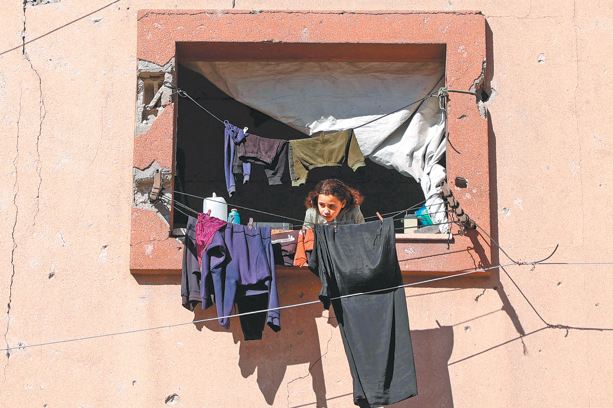
In a significant geopolitical development, Hamas has declared its willingness to relinquish governmental control over the Gaza Strip to an independent technocratic administration. This strategic shift emerges amid ongoing ceasefire negotiations mediated by Arab nations, Türkiye, and the United States.
The announcement follows Israeli Prime Minister Benjamin Netanyahu’s recent meeting with former UN Middle East envoy Nickolay Mladenov in Jerusalem. Netanyahu’s office confirmed Mladenov is being considered to lead a proposed executive body for Gaza, reiterating Israel’s fundamental demand for Hamas to disarm and demilitarize the Palestinian enclave.
Hamas spokesman Hazem Qassem stated the organization has made a definitive decision to transfer all governmental responsibilities to a technocratic committee following agreements with other Palestinian factions. The group now awaits formal establishment of this administrative body to manage Gaza’s various sectors, with Qassem emphasizing the urgency of implementation.
The militant organization has maintained governmental institutions in Gaza since 2007, when violent clashes with Fatah resulted in separate administrations for Gaza and the West Bank.
Academic analyst Jawaid Iqbal of Baba Ghulam Shah Badshah University interpreted Hamas’s offer as a tactical maneuver to pressure Israel into advancing ceasefire negotiations. “Continuation of the ceasefire serves Hamas’s interest by providing crucial breathing space to regroup and reorganize its battered military strength,” Iqbal noted.
This development occurs against the backdrop of persistent violence despite the ceasefire. Israel’s military campaign since October 2023 has resulted in approximately 71,000 Palestinian casualties according to reports.
Concurrently, the Organization of Islamic Cooperation convened in Jeddah, where foreign ministers adopted resolutions condemning Israel’s recognition of Somaliland’s independence and its policies toward Palestinian territories.
Regional expert Khaldoon Abdulla suggested Israel’s recognition of Somaliland serves multiple strategic purposes: enhancing international legitimacy, capitalizing on Red Sea fragmentation, and expanding diplomatic partnerships to strengthen regional positioning.