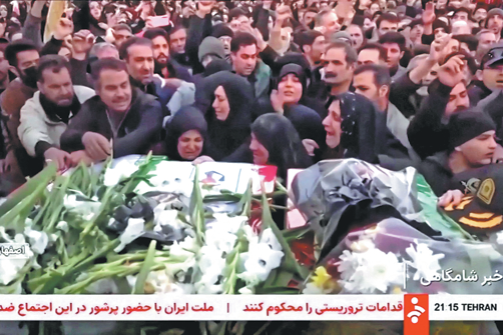
Iranian authorities have declared the nationwide civil unrest that erupted in late December is now ‘under total control,’ despite mounting casualties and continued tensions. The protests, triggered by the collapse of Iran’s national currency and soaring living costs, have entered their third week with significant fatalities among both security forces and civilians.
Foreign Minister Abbas Araghchi asserted to diplomats in Tehran that the demonstrations had been deliberately manipulated to turn ‘violent and bloody’ specifically to justify American intervention. This accusation comes as US President Donald Trump escalates threats of potential military action, stating Iran was ‘starting to cross US red lines’ and that he was considering ‘strong options.’
The Iranian government has declared three days of national mourning for those killed in the clashes, with semiofficial Tasnim News Agency reporting at least 111 security force members dead. President Masoud Pezeshkian, in a broadcast interview, acknowledged economic grievances while blaming the same ‘forces that struck this country’ during the June conflict with Israel for orchestrating the current destabilization.
China has entered the diplomatic fray with Foreign Ministry spokeswoman Mao Ning expressing hope that Iran could overcome its difficulties while reaffirming China’s opposition to foreign interference. Mao emphasized that China consistently opposes intervention in other nations’ internal affairs and advocates for protecting national sovereignty through international law.
The crisis unfolds against a backdrop of increasingly assertive US foreign policy, including the recent forced abduction of Venezuelan President Nicolas Maduro and threats to annex Greenland. According to Reuters, Trump is scheduled to meet senior advisers to discuss options ranging from military strikes and cyber operations to expanded sanctions and support for anti-government elements.
Regional tensions have escalated dramatically, with Iranian Parliament Speaker Mohammad Baqer Qalibaf warning that all US military bases in the Middle East and Israel would become ‘legitimate targets’ if Iran is attacked. Meanwhile, some US lawmakers including Republican Senator Rand Paul have questioned the wisdom of military action, suggesting it could unite Iranians against external aggression rather than undermine the government.