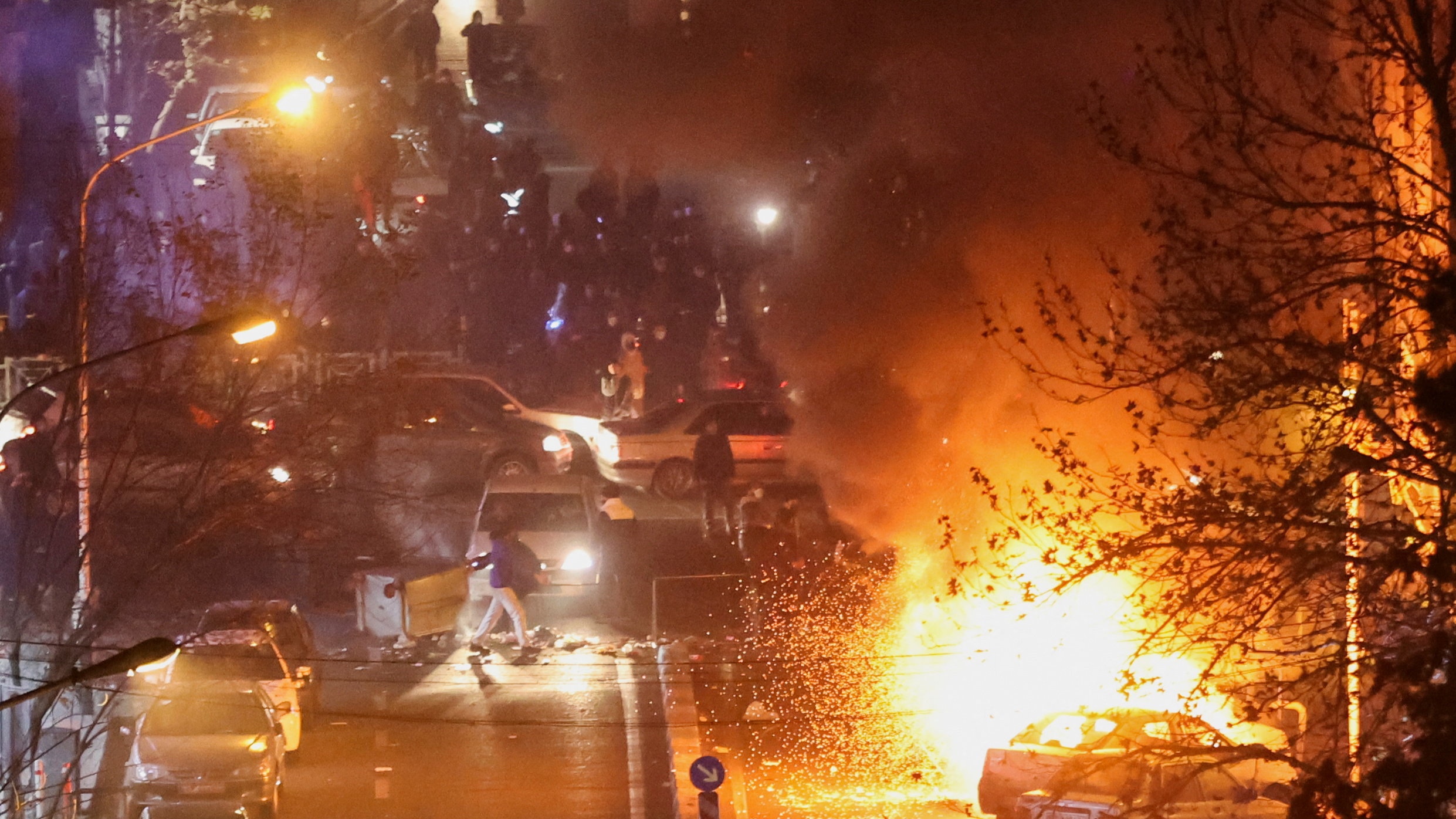
A panel of Middle East scholars convened by the Quincy Institute for Responsible Statecraft has analyzed the ongoing protests in Iran, revealing complex dynamics that challenge Western perceptions. The demonstrations, now entering their third week with over 190 confirmed fatalities according to Iran Human Rights, stem primarily from domestic economic pressures rather than calls for foreign intervention.
Mohammad Ali Shabani, editor of Amwaj newsmagazine, emphasized that most Iranians seek relief from crippling U.S. sanctions rather than regime change through external forces. “The vast majority of Iranians would welcome a deal that lifts the shadow of war and invites the removal of sanctions,” Shabani stated, noting that sanctions have paradoxically extended the Islamic Republic’s survival by hollowing out the middle class that could drive organic political change.
European Council on Foreign Relations expert Ellie Geranmayeh highlighted the overlooked existence of Iran’s civil society, which has not advocated for foreign military strikes. She pointed to the government’s historical pattern of offering “gifts to the people” following major upheavals, such as subsidy maintenance after 2019 economic protests and social flexibility after the 2022 Women, Life, Freedom movement. However, Geranmayeh cautioned that current options appear more limited as “the system may have hit a ceiling under the current supreme leader.”
Johns Hopkins professor Vali Nasr characterized the protests as a “genuine eruption of popular anger” but noted their lack of leadership and organization makes sustained momentum challenging. He dismissed claims that Reza Pahlavi, the exiled son of Iran’s deposed shah, directs the movement, stating he “came in late” without setting the agenda.
The analysis revealed concerning external factors, with the Trump administration openly considering military options. Experts warned that such threats empower hardliners and trigger brutal crackdowns. Shabani noted the complex reality: while dismissing all unrest as foreign plots echoes regime rhetoric, ignoring explicit interventionist statements from U.S. and Israeli officials represents naivete.
The situation has turned increasingly violent, with Iranian authorities reporting 25 mosques and 20 banks torched, plus approximately 100 security force deaths. This has created a two-way confrontation that risks alienating citizens who fear Syria-like collapse despite sharing protest grievances.
As Iran entered its fourth day of a near-total internet blackout, UN Secretary General Antonio Guterres expressed concern about violence and excessive force, calling for restraint and internet restoration. The White House confirmed discussions with Elon Musk about Starlink access while maintaining that military options remain under consideration.