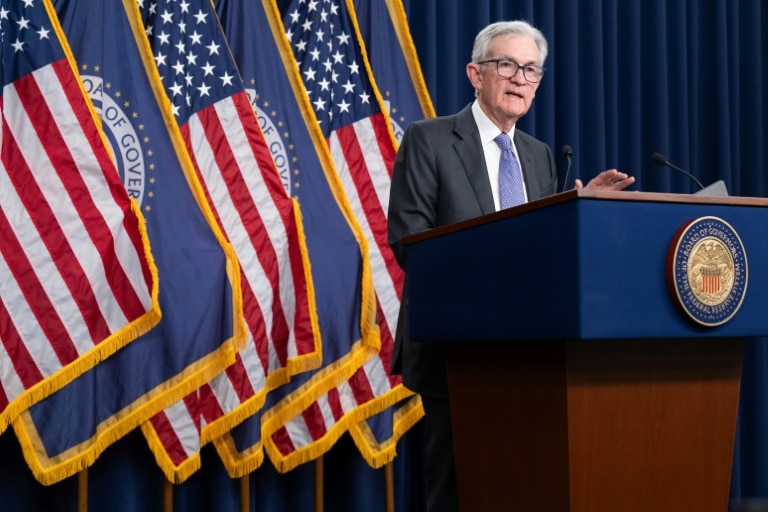
Federal Reserve Chairman Jerome Powell has broken his characteristic silence with an unprecedented public rebuttal against what he characterizes as political pressure from the Trump administration. The central bank leader issued a forceful statement condemning a Justice Department investigation he views as an attempt to influence monetary policy decisions.
Powell’s remarkable departure from his typically restrained approach underscores the severity of current tensions between the nation’s monetary authority and the executive branch. The Fed chair specifically accused administration officials of threatening prosecution to compel interest rate reductions, warning such actions jeopardize the institution’s fundamental independence.
This confrontation represents a dramatic escalation in the ongoing friction between Powell and President Trump, who previously appointed him to lead the Fed in 2018. Despite enduring months of public criticism from Trump during his first term over interest rate increases, Powell maintained his customary diplomatic approach until recent developments.
Jason Furman, former economic advisor to President Obama, noted the significance of Powell’s response: ‘The extraordinary nature of this statement reveals its gravity. Powell historically avoided engagement when questioned about Trump’s Fed criticisms, often providing minimal responses.’
Powell’s tenure has navigated extraordinary economic challenges, from pandemic-era emergency measures that slashed rates to zero, to subsequent aggressive tightening cycles combating inflation. Throughout these policy shifts, the former investment banker has maintained consensus within the Fed’s diverse rate-setting committee while preserving the institution’s nonpartisan reputation.
Despite recent compromises on issues like climate change initiatives, Powell’s forceful defense against perceived political interference has drawn praise from economic observers. David Wessel of the Brookings Institution remarked: ‘Trump pushed him beyond acceptable limits, prompting this robust response. This will likely cement Powell’s legacy as a chair who defended Fed independence under substantial pressure.’
The confrontation follows recent incidents where Powell publicly corrected presidential statements regarding Fed building renovation costs, demonstrating increased willingness to challenge inaccurate claims. With his term concluding in May 2026, this episode may define Powell’s chairmanship as one that upheld institutional autonomy against unprecedented political pressure.