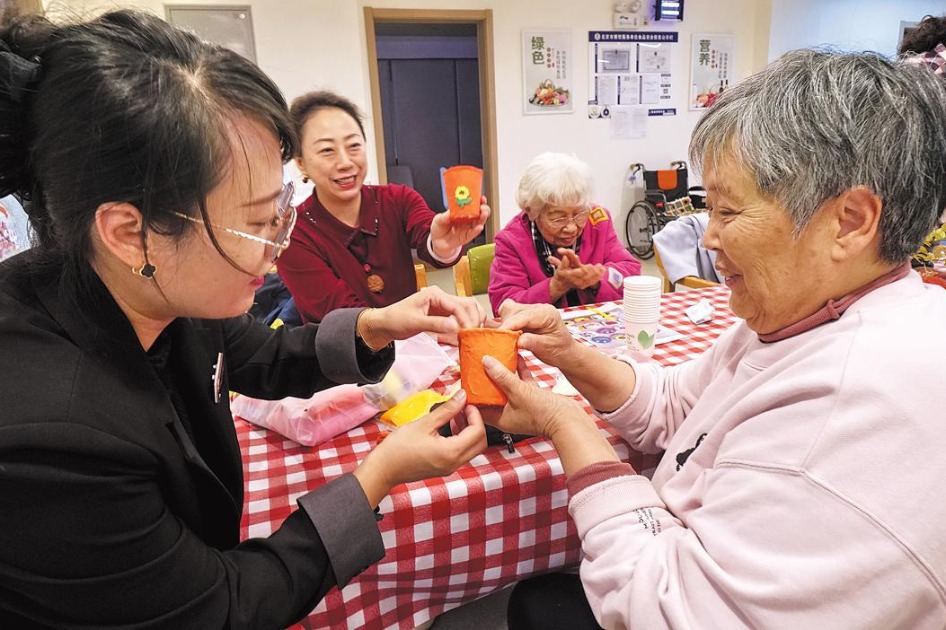
Across Beijing’s neighborhoods, a quiet revolution in elderly cognitive care is unfolding through community-based memory clinics. These facilities are bringing essential dementia screening and intervention services directly to residential areas, eliminating the need for arduous cross-city hospital journeys that once characterized cognitive care for seniors.
At Hepingli Community Health Service Center, 88-year-old residents now participate in weekly cognitive training sessions featuring specialized activities like jigsaw puzzles, computer-based reaction games, and group reading exercises. This represents a dramatic shift from previous years when accessing specialized neurological care required traveling for hours to top-tier urban hospitals.
The establishment of these clinics responds to China’s pressing demographic reality: with over 310 million citizens aged 60 and above—representing more than one-fifth of the total population—and an estimated 53 million experiencing cognitive impairment, the healthcare system requires innovative solutions. Cognitive impairment encompasses symptoms affecting memory, language, and reasoning, with Alzheimer’s disease constituting the most prevalent form of severe cognitive decline.
Dr. Han Ying, neurologist at Xuanwu Hospital of Capital Medical University, emphasizes that while Alzheimer’s remains incurable, early intervention can significantly alter its trajectory. “Early detection before obvious symptoms emerge can delay onset by up to five years,” she explains, “potentially allowing patients to maintain normal cognitive function throughout their lifetimes.”
Despite this medical consensus, societal barriers persist. Stigma and misconceptions that attribute early symptoms to normal aging mean only approximately 20% of dementia patients in China receive formal diagnoses. Community clinics address both medical and accessibility challenges, offering regular assessments during free senior health check-ups and providing referral pathways to specialized hospitals when necessary.
Beijing currently operates over 20 such facilities with plans to expand to 100 by 2030. Other regions including Shanghai and Guangdong province have implemented similar initiatives, while private institutions like Sunbow Obstetrics & Gynecology Hospital have recently launched comprehensive memory clinics offering full-cycle care from screening to long-term follow-up.
However, significant disparities remain. Rural healthcare institutions face staffing shortages, equipment limitations, and inadequate support systems that hinder similar implementations. Dr. Li Jianguo, deputy director at Hepingli Center, notes that expanding these services nationwide will require substantial time and resources despite the government’s 2024 action plan targeting over 50% medical consultation rates for suspected cognitive impairment cases by 2030.
Beyond clinical functions, these spaces have evolved into social hubs where seniors combat isolation through collective activities. Eighty-six-year-old Ms. Feng, whose children live elsewhere, particularly values the community aspect: “I love chatting with everyone—it’s so lively. It makes me feel young again.”
Medical professionals confirm this social component delivers therapeutic benefits. “Active participation in intellectual and social activities helps slow further brain decline,” notes Dr. Zhu Jie of the memory clinic. As China continues addressing its aging population’s needs, these community-based solutions represent a critical step toward preserving cognitive health while maintaining human dignity and connection.