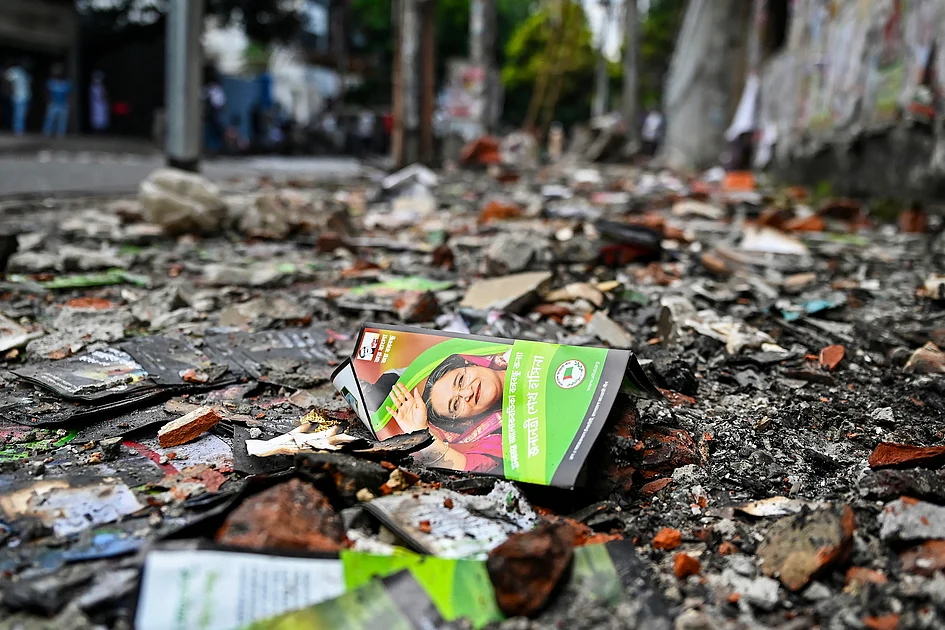
Bangladesh stands poised for a transformative democratic exercise as the nation of 170 million prepares for its first parliamentary elections since the dramatic ousting of long-serving Prime Minister Sheikh Hasina in August 2024. Scheduled for February 12, 2026, this electoral process represents a critical juncture for the Muslim-majority country following months of political upheaval.
The political landscape has undergone radical restructuring since the student-led revolution ended Hasina’s 15-year autocratic regime. Nobel Peace laureate Muhammad Yunus, who returned from exile to lead an interim government as chief advisor, will oversee the transition. The 85-year-old reform advocate describes inheriting a ‘completely broken’ political system and has championed constitutional reforms aimed at preventing authoritarian resurgence. These proposed changes, subject to a same-day referendum, seek to establish stronger checks and balances among governmental branches.
Electoral dynamics feature a reconfigured party spectrum. The Bangladesh Nationalist Party (BNP), led by Tarique Rahman following his return from 17 years of exile, emerges as the frontrunner. The party alliance incorporates leftist, centrist, and minor Islamist groups, navigating a complex political environment where the formerly dominant Awami League now operates under an official ban.
Notably, Jamaat-e-Islami—the country’s largest Islamist organization—seeks political rehabilitation after years of suppression under Hasina. Leading a coalition of over ten parties, including the National Citizen Party formed by revolutionary student leaders, the alliance represents diverse ideological currents within Bangladeshi society.
The military establishment remains a crucial stabilizing force, having notably abstained from intervening during the anti-Hasina protests. Continued patrols by armed forces alongside police underscore the security apparatus’s ongoing role in maintaining order.
Internationally, Bangladesh’s diplomatic alignments show significant realignment. Relations with India—formerly Hasina’s primary ally—have cooled considerably, while Yunus’s first state visit to China signals strategic reorientation. Enhanced engagement with Pakistan further illustrates Dhaka’s shifting foreign policy priorities.
This election, described by EU observers as potentially ‘the biggest democratic process of 2026,’ occurs against a backdrop of profound societal transformation and carries implications for regional stability and democratic governance models worldwide.