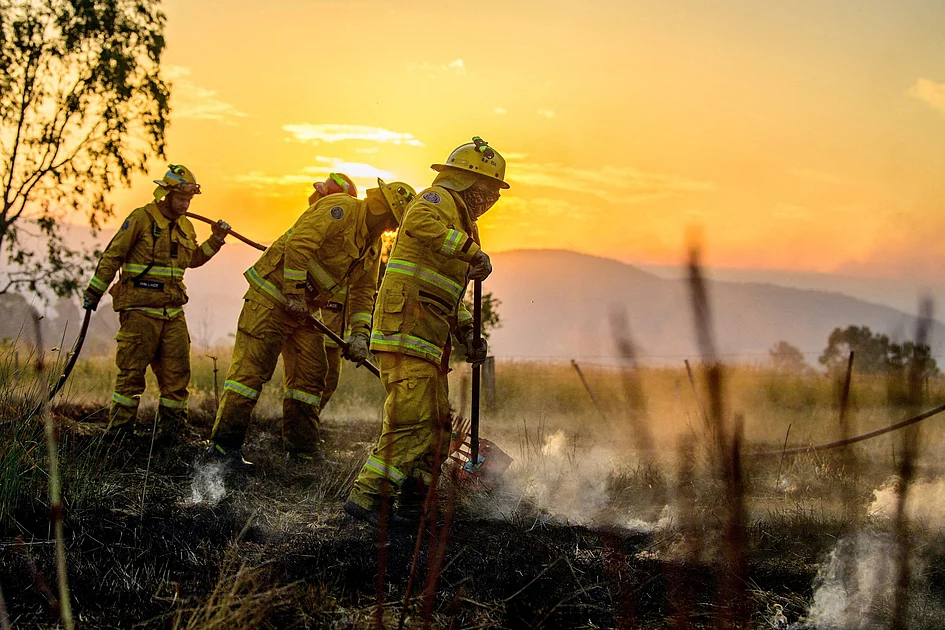
Australian fire authorities have issued urgent warnings for communities to prepare for an extended period of elevated bushfire risk throughout the summer season. This alert follows devastating wildfires that have already claimed one life and destroyed more than 350 structures across southeastern regions.
While weather conditions have temporarily moderated since the weekend’s extreme heat and winds—which saw temperatures exceed 40°C and fueled numerous blazes in Victoria—emergency officials caution that the reprieve may be brief. Twelve major fires continue to burn across the state, with officials anticipating another potential heating event toward the end of January.
Country Fire Authority Chief Officer Jason Heffernan emphasized the ongoing danger during a recent press briefing: ‘We are early in the high-risk weather season. Significant fire activity has already occurred across the landscape, and substantial containment efforts will be necessary in the coming weeks.’ Heffernan noted that while recovery operations are underway for affected communities, attention must simultaneously focus on preparing for future fire threats.
The current destruction toll includes more than 65 confirmed residential losses, with officials anticipating this number to rise as damage assessment teams access fire-ravaged areas. The single fatality occurred near Longwood, approximately two hours north of Melbourne.
Emergency Management Commissioner Tim Wiebusch cautioned that despite improved weather conditions, the fire risk remains persistent. ‘Even the slightest winds continue to cause fire movement and unpredictable behavior,’ Wiebusch stated.
These conditions echo Australia’s devastating 2019-2020 ‘Black Summer’ bushfires, which consumed millions of hectares, destroyed thousands of homes, and blanketed urban centers in hazardous smoke. Climate researchers have documented Australia’s average temperature increase of 1.51°C since 1910, a trend that continues to drive more frequent and intense extreme weather events across both terrestrial and marine environments.