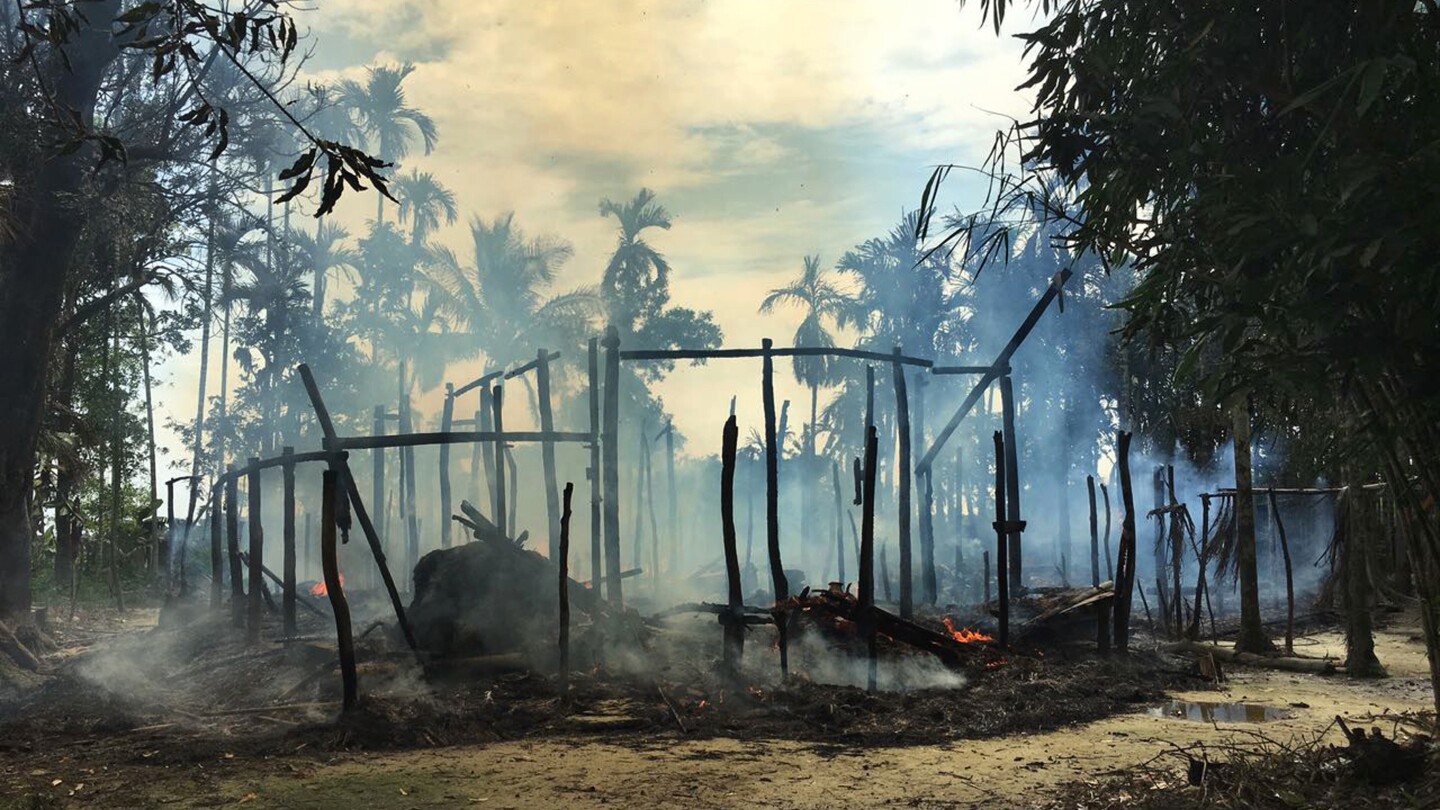
THE HAGUE, Netherlands — The International Court of Justice commenced landmark hearings Monday regarding allegations that Myanmar perpetrated genocide against its Rohingya ethnic minority population. This unprecedented legal proceeding represents a critical juncture in international justice efforts concerning the persecuted Muslim minority group.
The case, originally initiated by Gambia in 2019, contends that Myanmar’s military-led “clearance operations” in Rakhine state during 2017 constituted systematic violations of the 1948 Genocide Convention. Security forces allegedly executed mass atrocities including widespread rape, extrajudicial killings, and the intentional destruction of thousands of Rohingya homes, triggering an exodus of approximately 700,000 refugees to neighboring Bangladesh.
Myanmar’s military government, which seized power in a 2021 coup, maintains its denial of genocide allegations. The nation previously contested the ICJ’s jurisdiction, arguing that Gambia lacked standing to bring the case as an uninvolved third party. However, the court rejected this argument in 2022, permitting proceedings to advance.
The humanitarian situation remains dire for the estimated 1.2 million Rohingya now confined to overcrowded refugee camps in Bangladesh. Reports indicate severe deterioration of living conditions, with recent cuts to international aid resulting in widespread malnutrition, shuttered educational facilities, and documented cases of child starvation. Camp conditions have further enabled criminal exploitation including child recruitment by armed groups and forced prostitution of minors.
This case has established significant legal precedents, notably paving the way for South Africa’s recent genocide case against Israel at the ICJ. Legal experts note that the court’s eventual ruling could potentially influence the interpretation of genocide definitions in international law.
Parallel investigations continue at the International Criminal Court, where prosecutors have sought arrest warrants for Myanmar’s military leadership, including Senior General Min Aung Hlaing, for crimes against humanity. For Rohingya advocacy organizations, the ICJ proceedings represent a crucial validation of their pursuit of justice and international recognition of their suffering.