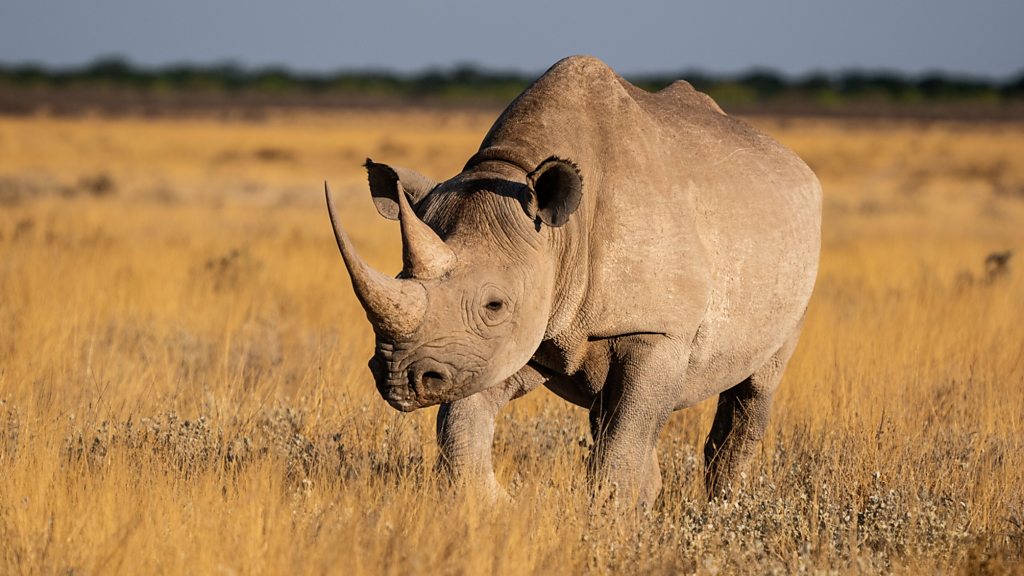
In a groundbreaking anti-poaching initiative, South African conservationists are implanting radioactive isotopes into the horns of live rhinoceroses. This radical approach aims to render the horns dangerously radioactive, thereby making them easier to detect at international border crossings and significantly less desirable on the black market.
The project, a collaboration between the University of the Witwatersrand and other research entities, utilizes a process of drilling a small hole into the inert keratin of the horn to insert a minute quantity of radioactive material. This substance is carefully calibrated to be powerful enough to trigger radiation monitors installed at ports, airports, and border posts—key smuggling checkpoints globally—while posing no health risk to the animal itself or its surrounding ecosystem.
The primary objective is to drastically increase the cost and difficulty for wildlife traffickers. By turning the horn into a radioactive product that would be flagged by security systems, the method introduces a formidable layer of risk for smugglers, potentially deterring poachers and disrupting illicit supply chains. This innovation represents a fusion of nuclear science and conservation biology, offering a new, high-tech weapon in the ongoing battle to protect these critically endangered species from extinction driven by the illegal wildlife trade.