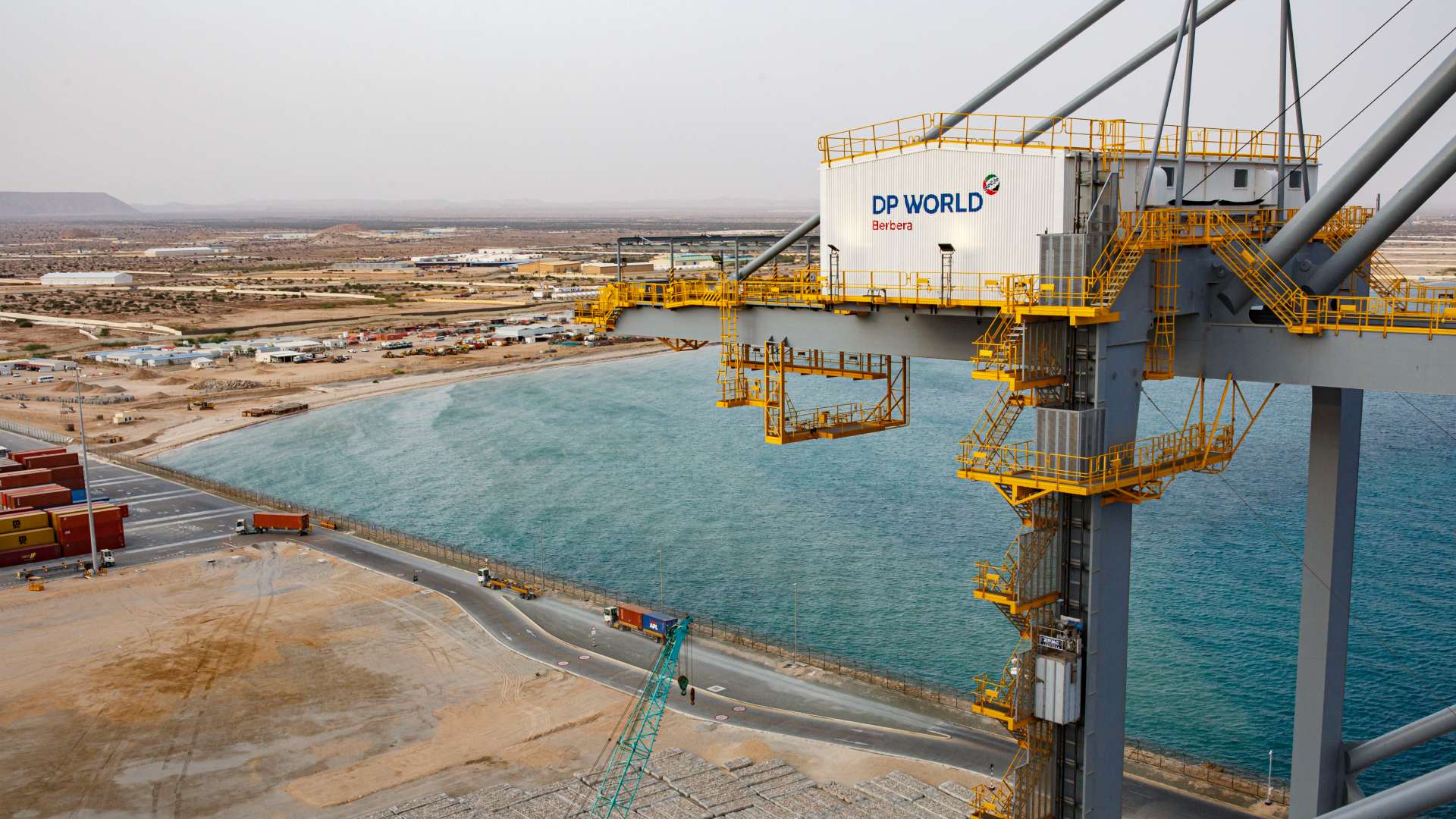
A complex geopolitical entanglement has emerged as the British government maintains co-ownership of a strategic Somaliland port controlled by the United Arab Emirates, raising serious questions about conflict of interest regarding the ongoing conflict in Sudan. Through its foreign investment arm, British International Investment (BII), the UK holds a minority stake in Berbera port alongside Emirati logistics giant DP World and the Somaliland government.
The port forms part of a network of UAE-controlled infrastructure across the Horn of Africa that multiple sources indicate is being utilized to arm the paramilitary Rapid Support Forces (RSF) in Sudan. This connection creates a diplomatic dilemma for the UK, which has sanctioned RSF commanders for atrocities including mass killings and sexual violence in Darfur.
Somaliland itself represents a diplomatic flashpoint, being a breakaway region of Somalia that only Israel has recognized as independent—a move that has drawn widespread international condemnation. The territory has recently hosted high-level Israeli delegations discussing potential military bases, while simultaneously serving as a hub for regional power plays involving Yemeni separatists.
The UK government maintains that its investment through BII represents purely commercial interests focused on regional development. A recently published impact assessment commissioned by the Foreign Office described Berbera as “a strategic gateway to Somaliland and a potential alternative trade corridor for Ethiopia,” highlighting the creation of 2,500 jobs and $45 million in economic value.
However, policy experts argue that the UK cannot simultaneously condemn atrocities in Sudan while potentially benefiting from infrastructure that supports the conflict. Flight tracking data, cargo inventories, and multiple official sources indicate that Berbera’s facilities, including one of Africa’s longest runways capable of handling military aircraft, form part of the supply chain sustaining the RSF’s operations.
The situation illustrates the challenging balance between commercial investment and diplomatic principles, with British-made military equipment having been discovered in Sudan and the UK’s extensive commercial ties to the UAE facing increasing scrutiny amid the humanitarian crisis.