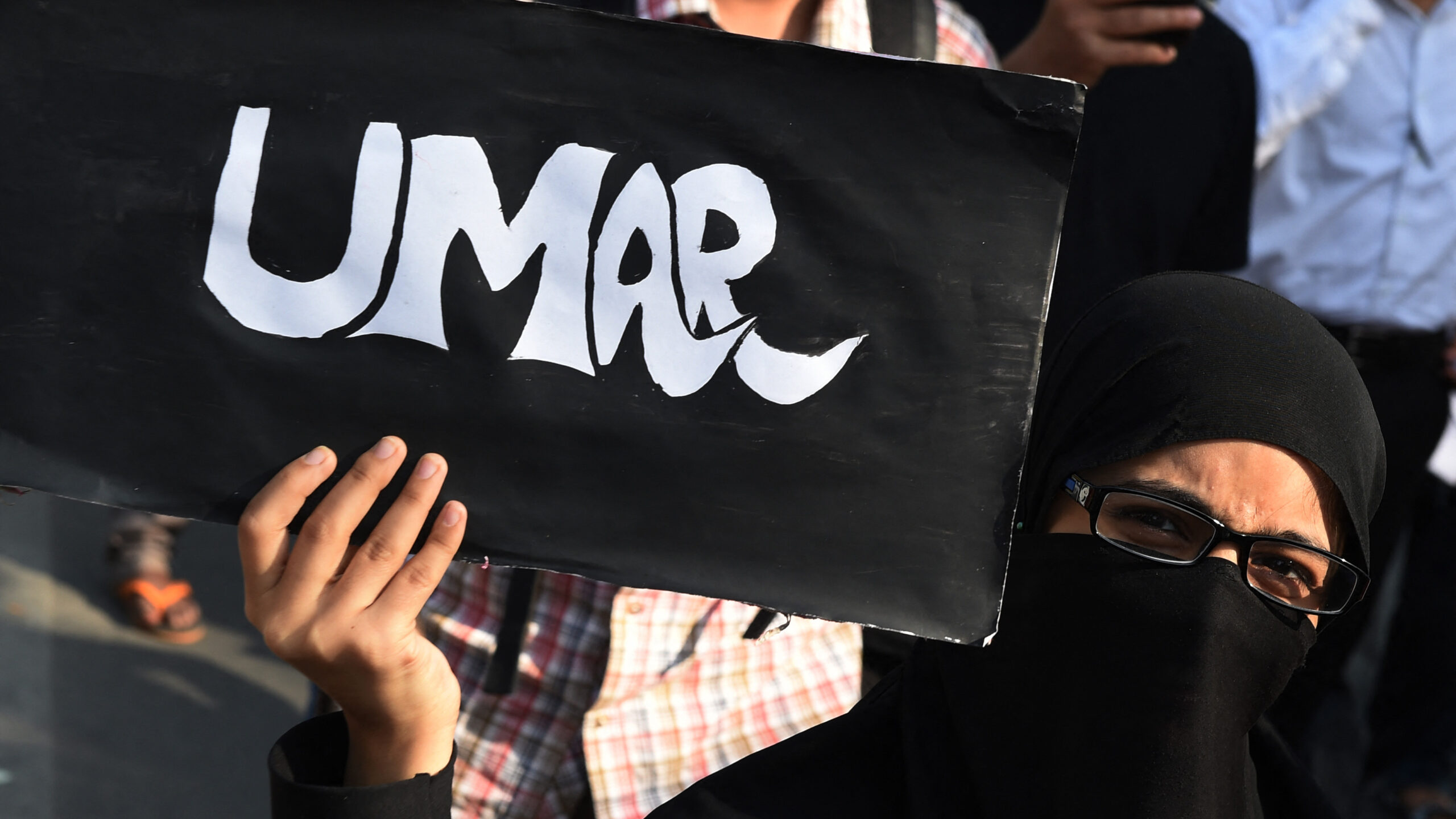
India’s Ministry of External Affairs has issued a stern diplomatic reprimand to New York City Mayor Zohran Mamdani following the public circulation of his letter to imprisoned Indian activist Umar Khalid. The communication, penned in early December after Mamdani met with Khalid’s parents during their U.S. visit, surfaced on social media platforms several days ago.
External Affairs Ministry spokesperson Randhir Jaiswal delivered a sharply worded statement urging foreign officials to respect judicial independence in other democracies. ‘We expect public representatives to be respectful of the independence of judiciaries in other democracies,’ Jaiswal stated. ‘Expressing personal prejudices does not behoove those in office. Instead of such comments, it would be better to focus on the responsibilities entrusted to them.’
Khalid, a student activist detained without trial since September 2020, faces allegations of orchestrating the February 2020 New Delhi riots. His case has drawn international scrutiny, with the U.S. Commission on International Religious Freedom (USCIRF) identifying him as persecuted for ‘protesting religious freedom conditions’ and recommending India be designated a ‘Country of Particular Concern’ for religious intolerance.
The legal proceedings against Khalid operate under India’s Unlawful Activities (Prevention) Act (UAPA), legislation permitting extended detention periods while severely restricting bail opportunities. India’s Supreme Court recently rejected Khalid’s latest bail application, maintaining his imprisonment.
Mamdani’s letter expressed personal solidarity, stating: ‘Dear Umar, I think of your words on bitterness often and the importance of not letting it consume one’s self. It was a pleasure to meet your parents. We are all thinking of you.’
Simultaneously, eight U.S. lawmakers including Democratic Congressman Jim McGovern (co-chair of the Tom Lantos Human Rights Commission) and Senators Chris Van Hollen and Peter Welch dispatched a formal letter to Indian Ambassador Vinay Mohan Kwatra on December 30th. The communication urged India to provide Khalid with bail and a fair trial ‘in accordance to international law.’
The controversy originates from the 2020 citizenship law amendments under Modi’s government that expedited citizenship for persecuted non-Muslim religious minorities from neighboring countries. Muslim exclusion protests prompted violent clashes in New Delhi, resulting in over 50 fatalities—predominantly Muslims—in the capital’s worst religious violence since the 1984 anti-Sikh riots.
Indian police arrested approximately 2,000 individuals following the disturbances, with critics alleging anti-Muslim bias in targeting activists and students. Among at least 18 detained leaders, Khalid has faced repeated bail rejections over five years despite international human rights organizations demanding his release. While some co-accused were granted bail on January 5th, Khalid and associate Sharjeel Imam remain imprisoned, with Amnesty International condemning their continued detention as based on ‘politically motivated allegations.’