Iran has plunged into a nationwide digital darkness as authorities implemented a comprehensive internet blackout beginning Thursday night. This drastic measure coincides with escalating civil unrest that has swept across multiple Iranian cities since late December, triggered by the catastrophic collapse of the national currency and persistent economic distress.
The protests reached Tehran this week, prompting Supreme Leader Ali Khamenei to address the nation through state television on Friday. He called for national unity while delivering a defiant message against what he characterized as foreign-backed “mercenaries” seeking to destabilize the Islamic Republic. His remarks came in direct response to U.S. President Donald Trump’s threat to respond “very hard” if Iranian security forces employed violence against demonstrators.
Khamenei launched a sharp counterattack against Trump, accusing the American president of having “hands stained with the blood of more than a thousand Iranians” and predicting his eventual overthrow similar to Iran’s pre-revolution monarchy. While acknowledging the legitimacy of economic grievances in the sanctions-crippled nation, the Supreme Leader simultaneously issued warnings against what he termed “rioters.”
The Iranian Foreign Ministry condemned Washington’s statements as “interventionist and deceptive,” characterizing them as part of a longstanding policy of pressure rather than genuine concern for Iranian welfare.
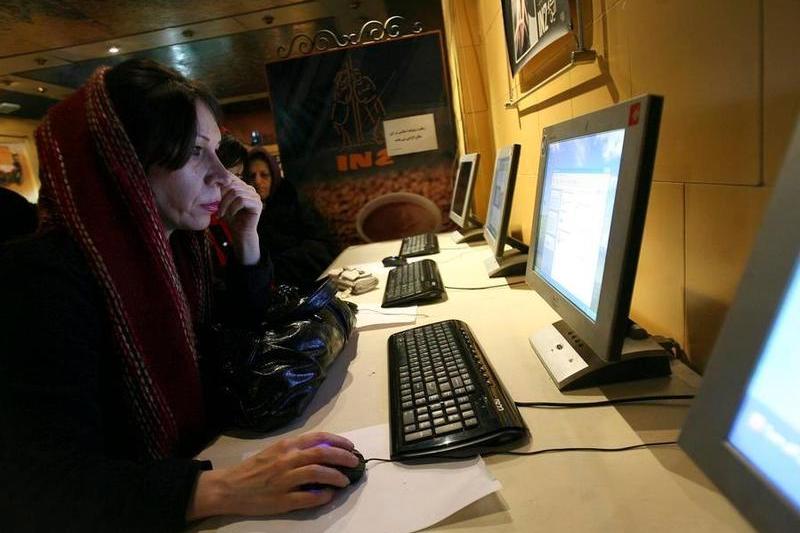
Digital monitoring organization NetBlocks confirmed the extensive internet disruption, reporting live metrics indicating a near-total nationwide blackout. The communication breakdown has affected both landline and mobile networks, with reports of canceled flights adding to the disruption.
State media reported significant violence during Friday’s demonstrations, detailing attacks on public infrastructure including metro stations, fire trucks, buses, and private vehicles. According to media tallies citing local reports and official statements, at least 21 individuals including security personnel have lost their lives nationwide. The semi-official Mehr News Agency reported 23 police officers and one protester injured in recent clashes within Khorasan Razavi Province.
In response to the crisis, President Masoud Pezeshkian advocated for “utmost restraint” in handling demonstrations, emphasizing avoidance of “violent or coercive behavior” while promoting dialogue and engagement with public demands. Concurrently, the government announced a new monthly subsidy program equivalent to $7 for basic goods purchases, potentially benefiting over 71 million citizens.
Amid the domestic turmoil, Foreign Minister Abbas Araghchi stated Iran’s preference to avoid military confrontation with Israel or the United States while affirming readiness to respond if attacked. He expressed conditional openness to nuclear negotiations based on mutual respect rather than what he described as American “dictation.”