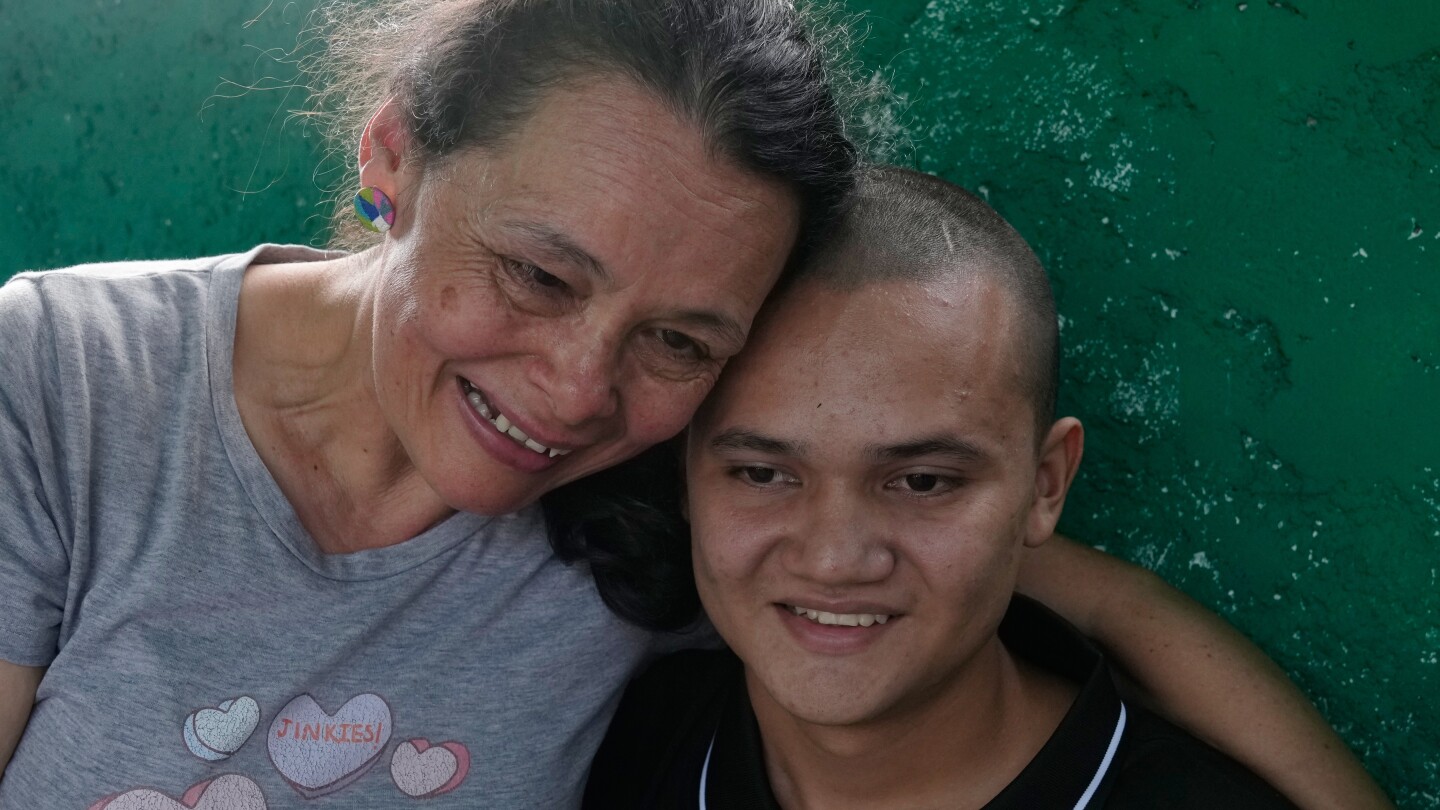
In a significant development within Venezuela’s ongoing political crisis, Diógenes Angulo was among the first detainees released under a new government initiative promising substantial prisoner liberations. The 19-year-old, originally detained at 17 for recording an opposition demonstration, emerged from incarceration after 17 months as his family awaited with emotional anticipation outside the prison facilities.
The releases coincide with extraordinary circumstances following the January 3rd capture of former President Nicolás Maduro by U.S. forces during a nighttime raid in Caracas. The Venezuelan government characterized the prisoner releases as a gesture toward “seeking peace,” though officials have provided neither specific numbers nor identities of those slated for freedom.
U.S. President Donald Trump promptly claimed credit for the developments, asserting on his Truth Social platform that Venezuela had initiated the process “in a BIG WAY” at Washington’s request. Trump’s statements included both appreciation and veiled threats, warning released prisoners to remember “how lucky they got that the USA came along.”
According to Foro Penal, a Venezuelan prisoner advocacy organization, only 16 political prisoners had been freed by Saturday night, with 804 remaining incarcerated. Among those released was Rocío San Miguel, a human rights attorney who immediately relocated to Spain under conditions prohibiting media contact—a arrangement her brother described as “not full freedom, but rather a precautionary measure.”
Prominent opposition figures remain detained, including former lawmaker Freddy Superlano, opposition lawyer Perkins Rocha, former governor Juan Pablo Guanipa, and Rafael Tudares, son-in-law of presidential candidate Edmundo González.
Meanwhile, government supporters mobilized across Venezuelan cities, demanding Maduro’s return following his extradition to face narco-terrorism charges in the United States. Acting President Delcy Rodríguez condemned what she termed Maduro’s “kidnapping” and pledged continued resistance against “criminal aggression.”
In a parallel diplomatic development, both nations announced evaluations to restore relations severed since 2019, including potential reopening of diplomatic missions. This occurred alongside Vatican engagement, with Foreign Minister Yván Gil responding to papal calls for peace while reaffirming Venezuela’s sovereignty.