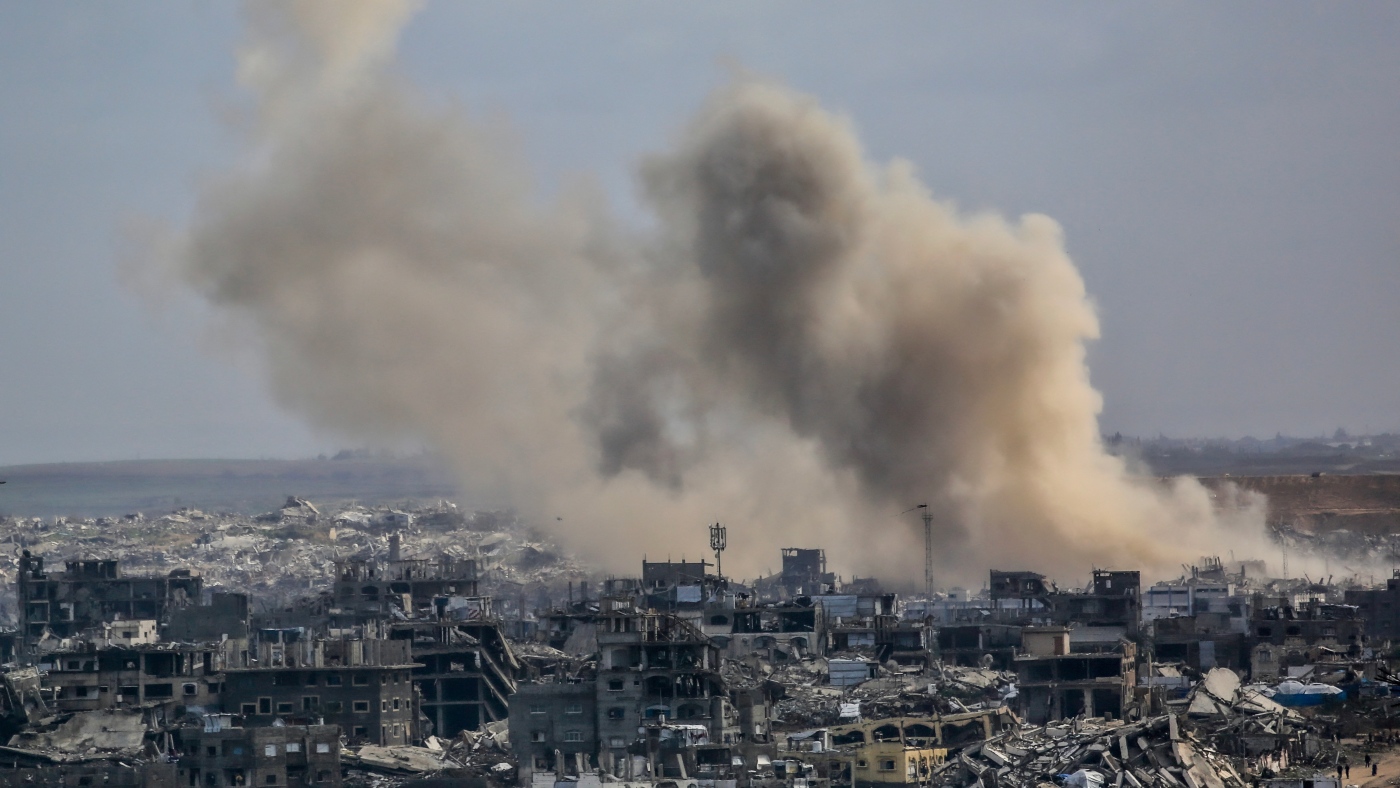
The Israeli military is reportedly preparing to initiate a renewed ground offensive in the Gaza Strip by March, aiming to expand its territorial control westward toward the coastal region. According to a Times of Israel report citing official sources, this planned operation would focus on Gaza City and represents a significant escalation despite ongoing ceasefire negotiations.
The current ceasefire, brokered by the United States on October 10, 2025, established the Yellow Line demarcation that granted Israel control over approximately 53% of Gaza territory. Israeli officials justify the planned offensive by citing Hamas’s refusal to disarm, though Arab diplomats question this rationale.
Hamas spokesperson Hazem Qassem announced the group’s intention to dissolve governmental bodies in Gaza and transfer authority to a technocratic committee. However, Hamas simultaneously accuses Israel of repeatedly violating the ceasefire agreement, documenting nearly 1,200 violations including airstrikes, shelling, and home demolitions that have resulted in 439 Palestinian fatalities over three months.
The humanitarian situation in Gaza continues to deteriorate catastrophically. Palestinian health authorities report that Israeli forces have killed more than 71,400 Palestinians since October 2023, including at least 20,000 children, with thousands more missing beneath rubble. Rescue operations are severely hampered by inadequate equipment and deteriorating weather conditions.
UN agencies warn that recent storms have exacerbated the crisis, with flooding affecting approximately 65,000 families and over one million people requiring emergency shelter assistance. Philippe Lazzarini, head of UNRWA, emphasized that current aid remains insufficient and poorly suited to winter conditions, with non-waterproof tents providing inadequate protection.
Complicating international efforts, Israeli Prime Minister Benjamin Netanyahu has opposed Turkey’s participation in a proposed stabilization force, discouraging contributions from other potential partners including Azerbaijan, Pakistan, Saudi Arabia, and Indonesia. Meanwhile, Israel’s announced restrictions on humanitarian organizations operating in Gaza have drawn widespread condemnation, with aid groups warning that hundreds of thousands would be cut off from essential care if implemented.
Arab and European nations are demanding Israel permit “sustainable, predictable and unrestricted” access for rights groups, particularly during the challenging winter months, as the UN humanitarian office reports damaged infrastructure further impedes aid delivery.