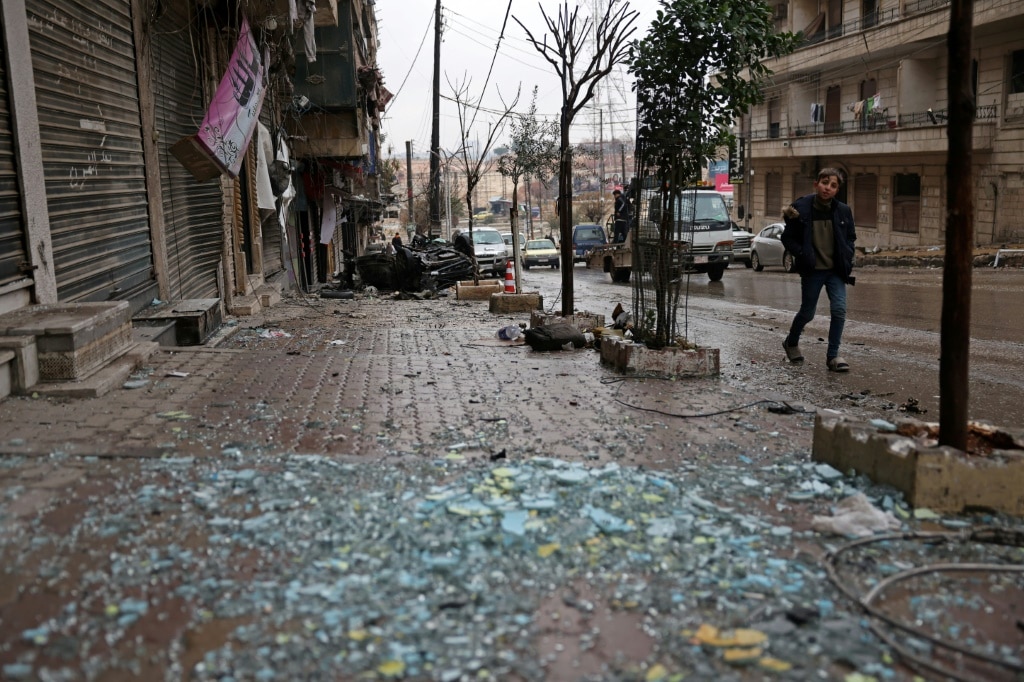
Syrian government forces have established complete military control over Aleppo’s Kurdish neighborhoods following several days of intense armed conflict, marking a significant shift in the city’s power dynamics. The takeover culminated on Sunday with the evacuation of Kurdish fighters to autonomous regions in northeast Syria under international mediation.
In the Ashrafiyeh district—the first area to fall under army control—residents cautiously returned to assess substantial property damage, navigating streets littered with shrapnel and shattered glass. Local merchant Yahya al-Sufi reported widespread looting and structural damage to homes, reflecting the violence that displaced civilians earlier in the week.
The clashes originated from stalled negotiations regarding the integration of Kurdish autonomous administration into Syria’s central government framework. A Syrian security official disclosed that 419 Kurdish combatants, including 59 wounded, were transferred from Sheikh Maqsud neighborhood to Kurdish-controlled zones. Simultaneously, approximately 300 Kurds described variably as fighters or civilians were detained by authorities.
Contrasting casualty figures emerged from different sources: Syrian officials reported 24 fatalities and 129 wounded since Tuesday, while the Britain-based Syrian Observatory for Human Rights documented 45 civilian deaths plus 60 combatant casualties from both sides. The monitor additionally alleged field executions and body burnings by government forces in Sheikh Maqsud—claims that remain unverified independently.
The political dimension intensified as Kurdish leader Mazlum Abdi acknowledged international mediation efforts to halt violations against Kurdish communities. U.S. envoy Tom Barrack met with Syrian President Ahmed al-Sharaa, urging a return to dialogue based on last year’s integration agreement. Meanwhile, emotional scenes unfolded in Qamishli where evacuated fighters were greeted by crowds chanting vows of vengeance, accompanied by symbolic defacement of images representing Syrian, Turkish, and American leadership.
This development echoes earlier phases of Syria’s civil war, particularly the 2016 battle for Aleppo that resulted in government recapture of the city. The current situation underscores ongoing tensions between Damascus’ centralization efforts and Kurdish demands for decentralized governance, with neighboring Turkey monitoring closely due to perceived connections between Kurdish forces and the PKK organization.