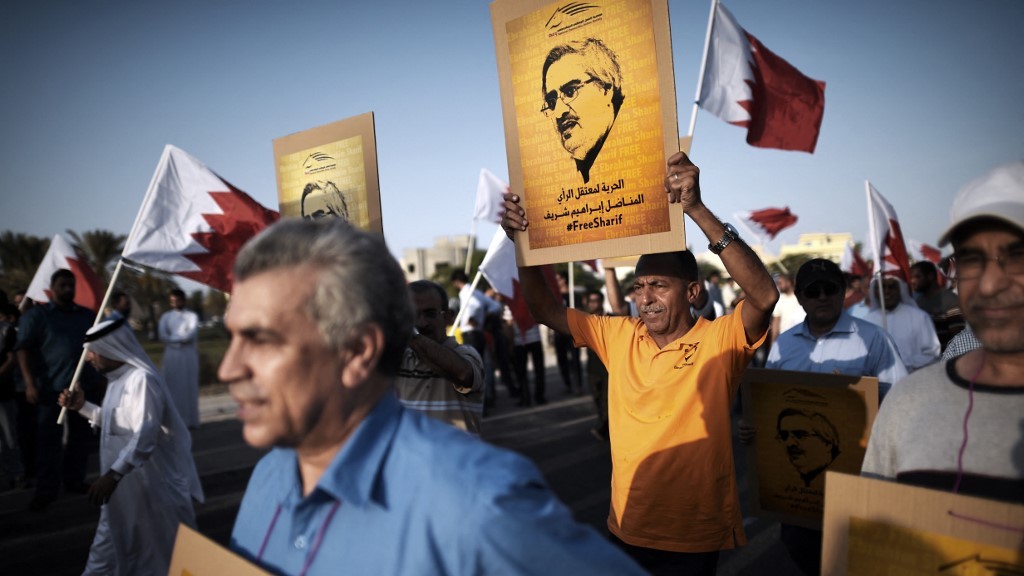
Bahrain’s political landscape faces renewed scrutiny as prominent opposition figure Ebrahim Sharif receives a six-month prison sentence for his vocal criticism of the kingdom’s diplomatic relations with Israel. The sentencing by Bahrain’s Lower Criminal Court on Thursday marks the latest development in a case that has drawn international condemnation from human rights advocates.
Sharif, a secular leftist activist and head of the National Democratic Action Society (Wa’ad), was convicted on charges of “spreading false news on social media” and “making offensive remarks against sister Arab states and their leaders.” The court specifically cited an interview Sharif gave to LuaLuaTV in Beirut where he condemned Arab nations for their perceived failure to support Palestinians and their increasing ties with Israel.
According to the Public Prosecutor’s office, Sharif’s statements contained “false and offensive information about Arab countries, accusing them of collusion and conspiracy” while encouraging citizens to “resist and rise up against their governments.” The court additionally imposed a fine of 200 Bahraini dinars ($530).
This case represents the tenth instance since 2011 that Bahraini authorities have arrested, interrogated, or prosecuted Sharif, who emerged as a significant figure during the 2011 pro-democracy protests. His sentencing occurs against the backdrop of Bahrain’s 2020 normalization of relations with Israel through the US-brokered Abraham Accords, a move that has generated substantial domestic criticism that intensified following Israel’s military operations in Gaza.
Human rights organizations have condemned the verdict as emblematic of Bahrain’s deteriorating free expression environment. Sayed Ahmed Alwadaei of the Bahrain Institute for Rights and Democracy described the sentence as setting “a chilling precedent” where “a prominent public figure is being criminalized for standing with Palestine.”
The case unfolds amid ongoing concerns about Bahrain’s prison conditions. Recent reports from UN committees and organizations like Human Rights First have documented consistent allegations of torture and mistreatment of political prisoners, despite Bahrain being a signatory to the UN Convention Against Torture. Last month, Human Rights First submitted a dossier to the US administration recommending sanctions against Bahrain’s Interior Minister for alleged oversight of torture practices.
The UN Committee Against Torture’s November assessment expressed deep concern about “consistent reports indicating that persons in custody are subjected to torture or ill-treatment” and noted “the reported lack of accountability, which contributes to a climate of impunity.”